Summary India's parliament approved the government's plans to open up the retail sector to foreign firms.
NEW DELHI: India s minority government narrowly won a final vote in parliament on Friday for its controversial move to allow in foreign supermarkets, giving a boost to its reform agenda.
After heated debate, lawmakers in the nominated upper house gave their support to the government and rejected an opposition motion against the decision to open up the retail sector to foreign firms such as US giant Walmart.
"The vote sends a very good signal to investors that underneath all the debate -- which is all part of the democratic process -- things (in India) do move forward," said Montek Singh Ahluwalia, one of the country s most powerful bureaucrats.
"This vote is very positive," Ahluwalia, deputy chairman of India s Planning Commission told NDTV network. "Parliament got it done."
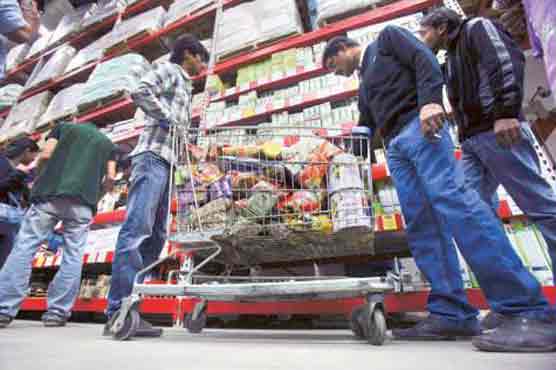
Walmart aims to be one of the first in India to set up foreign-owned megastores that opposition parties say could drive the country s millions of small, family-owned stores out of business.
One regional party opposing the retail reform decided to exit the house before the vote for ideological reasons rather than side with the main opposition Hindu nationalist Bharatiya Janata Party -- helping assure the government s victory.
The victory marked the Congress-led minority government s second parliamentary test of strength in three days. Earlier the lower elected house also rejected the motion.
A loss would not have reversed the government s policy to allow global firms to buy up to a 51-percent holding in multibrand retailers in India as it did not require parliamentary approval to become law. But defeat would have dealt Prime Minister Manmohan Singh s left-leaning coalition an embarrassing blow and stymied efforts to push through other reform measures.
The Bharatiya Janata Party proposed the motion to oppose the entry of large retail chains, saying the measure would deprive millions of Indian traders of their livelihood. But Commerce Minister Anand Sharma said the move was "essential" for the country s growth and rejected the opposition claims that it would hurt the small retailers and farmers or harm the manufacturing sector.
Sharma said letting in foreign stores was vital to help improve India s antiquated food supply chain in which around 35 percent of fruits and vegetables rot before they reach market.
After dithering for years over policy, Singh s government unveiled a string of changes in September, throwing open key sectors such as retail and aviation while proposing greater foreign investment in insurance and pensions.
The market-opening push, which includes efforts to cut subsidies, comes as India faces a sharply slowing economy, a gaping fiscal deficit and high inflation, which has stoked pressure on an administration already under fire for corruption. But even with the liberalisation steps, foreign supermarkets seeking to enter India will have to abide by a number of rules such as investing a minimum of $100 million and opening stores only in towns with populations of over one million.