US dismantles nuclear bomb in Texas
Dunya News

US has dismantles last of powerful bomb on Tuesday which was introduced during Cold War era.

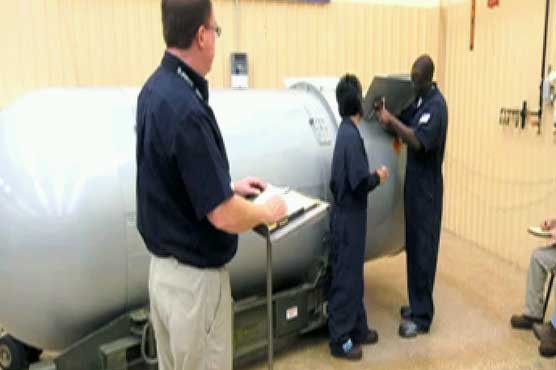
The last of a powerful class of nuclear weapons introduced into the US arsenal at the height of the Cold War in 1962 was being dismantled on Tuesday at a nuclear weapons storage facility outside Amarillo, Texas.This was one of the largest bombs in the American arsenal, said Joshua McConaha, Public Affairs Director for the Department of Energys National Nuclear Security Administration.He said the exact strength of the bomb -- known as the B53 and being dismantled at the DOEs B&W Pantex facility -- remains classified, but it is believed to have been many hundreds of times more powerful than the atomic bomb that destroyed Hiroshima in 1945.The B53 was a megaton-class nuclear explosive that weighed approximately 10,000 pounds and was the size of a minivan. It was designed to be dropped onto a target by a massive B-52 Stratofortress strategic bomber. McConaha says it contained about 300 pounds of high explosive surrounding the uranium, referred to as the pit.McConaha said the process of eliminating the massive nuclear weapons, known by Pantex workers as the last of the big dogs, began 14 years ago.He says many B53s were actually retired before that, but a significant number had remained in the U.S. arsenal.In addition to challenges related to the bombs massive size and awesome explosive punch, the dismantlement process was made more difficult by the weapons use of older technology developed by engineers who have since died.Taking apart one of the most powerful nuclear weapons ever created is done very carefully, McConaha said.The explosive is carefully separated from the nuclear materials, he said. Some materials will be reused, while most of the bomb is shredded and disposed of.The number of B53s which were once in service, and the number disassembled at Pantex, remains classified, but McConaha confirmed Tuesdays bomb was the final one. He said the dismantling has been completed four years ahead of schedule.