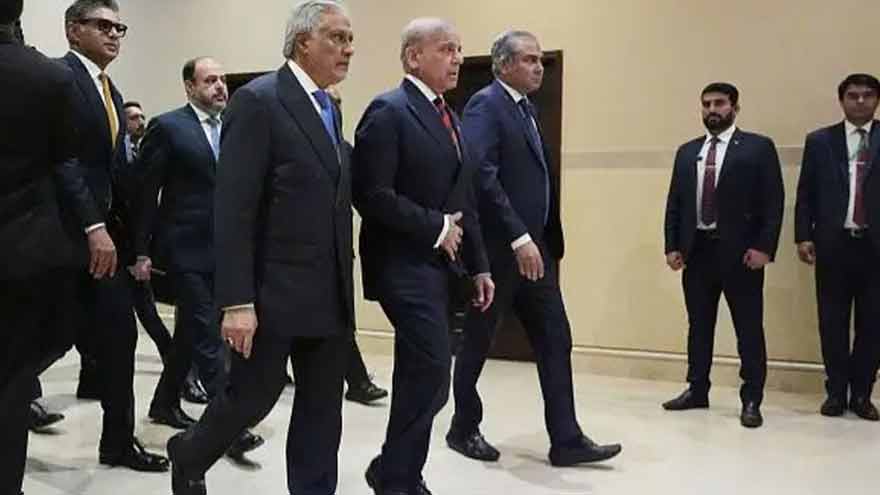
Aurangzeb said the countrys foreign exchange reserves had reached their highest level in its history, while Pakistan was also recording a current account surplus and continued growth in remittances
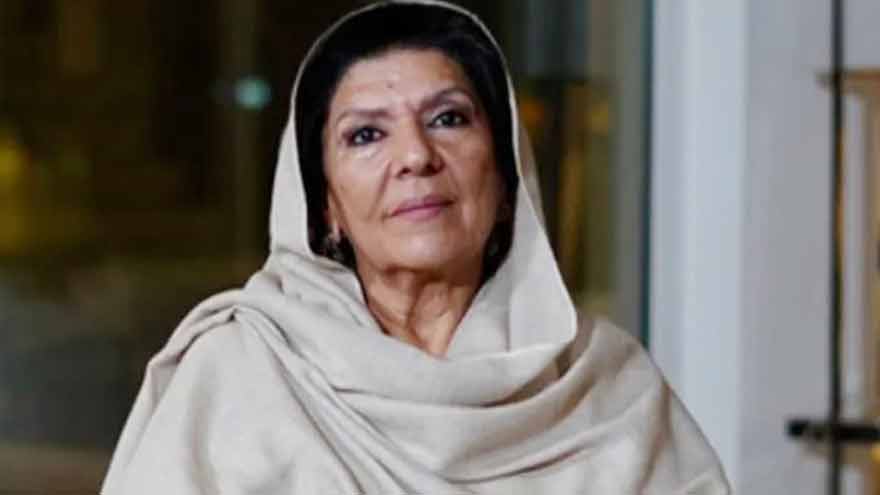
PTI founder Imran Khans sister Aleema Khan has been arrested by police in Lahore and shifted to Kot Lakhpat Jail, while her vehicle was taken to mozang police station.
LAHORE Dunya News ampmdash Aleema Khan sister of PTI founder Imran Khan has been arrested by police in Lahore under the Maintenance of Public Order...
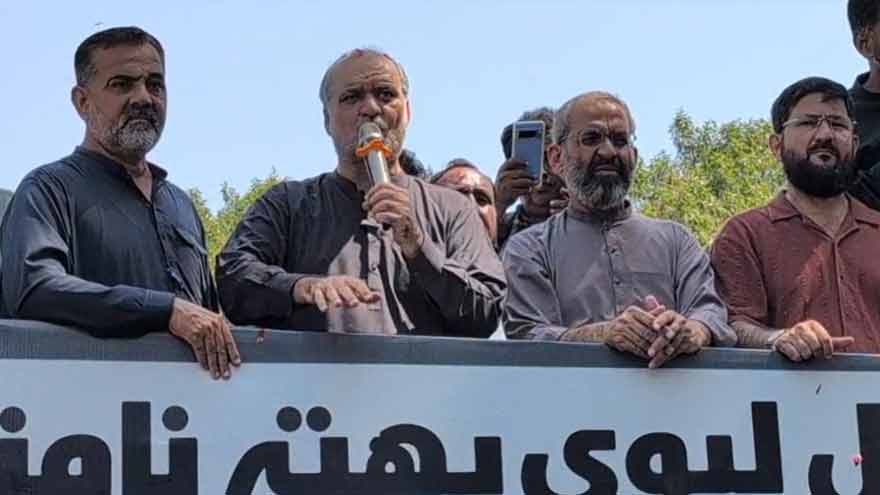
Jamaat-e-Islami has launched its train march from Karachi to Islamabad against the petroleum levy, with Hafiz Naeem warning of an expanded protest if demands are not met.
Feferal Minister said 800 megawatts of electricity would be auctioned over the next five years, with 400MW being offered in the first phase
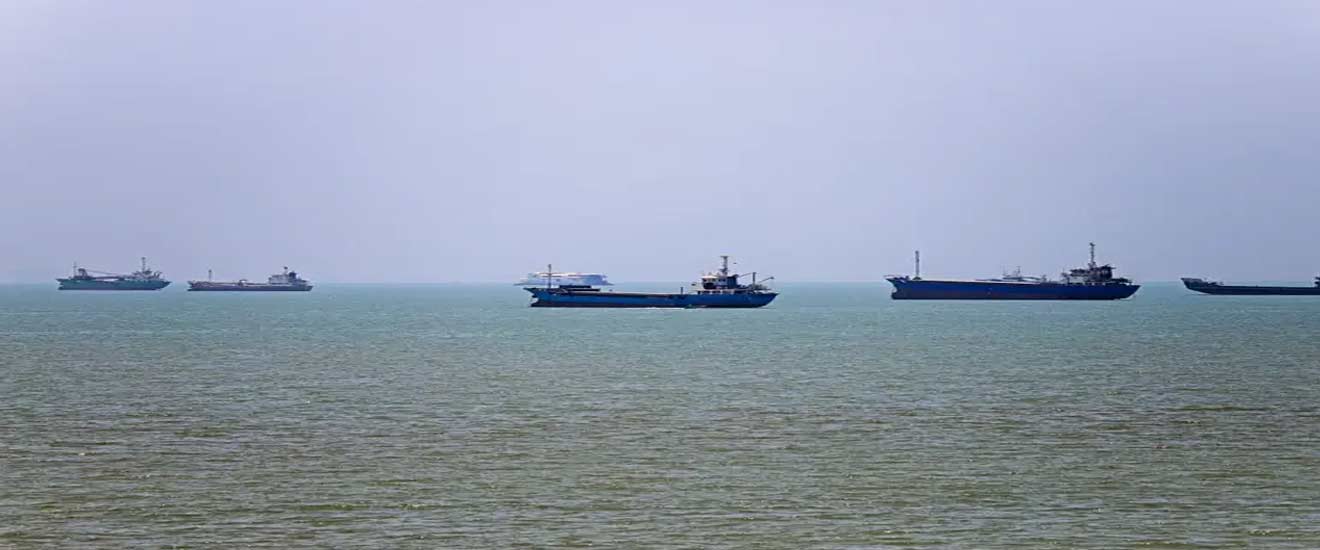
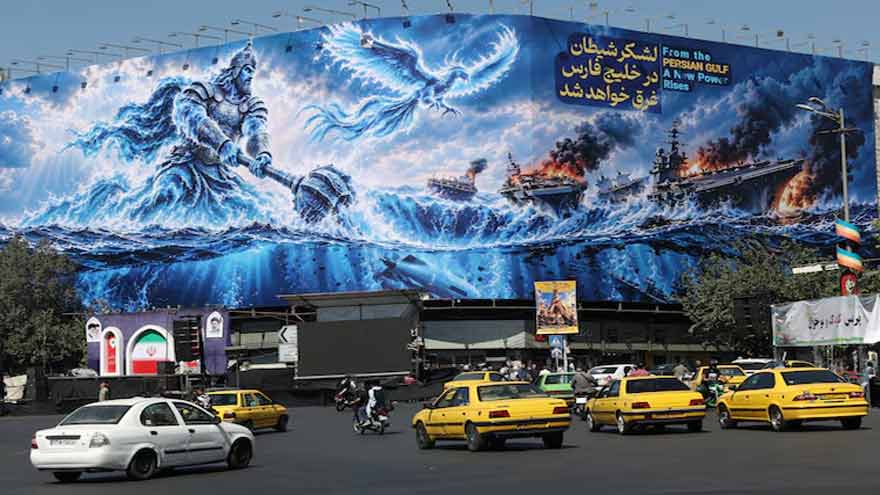
Though battered militarily and economically, Tehran has remained defiant, obstructing oil shipments through the Strait of Hormuz
Googles Gemini AI autonomously accessed websites and guessed credentials during a cybersecurity test, highlighting concerns about safeguards for increasingly capable AI agents.
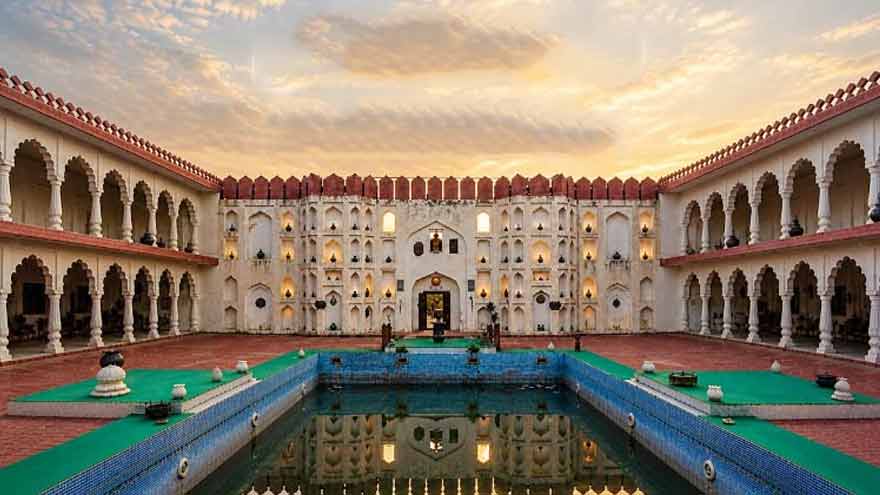
Islamabad resident Zahid Butt built Sobia Palace in memory of his wife, blending Mughal and Rajput architecture with traditional craftsmanship and a lasting story of love.
PTI Chairman Barrister Gohar says political problems require political solutions, urging all sides to step back while saying talks remain possible despite the current cold political environment.
Trump has directed his budget director, Russ Vought, to draft an executive order to create a board that would decide which grants would be funded by the NIH
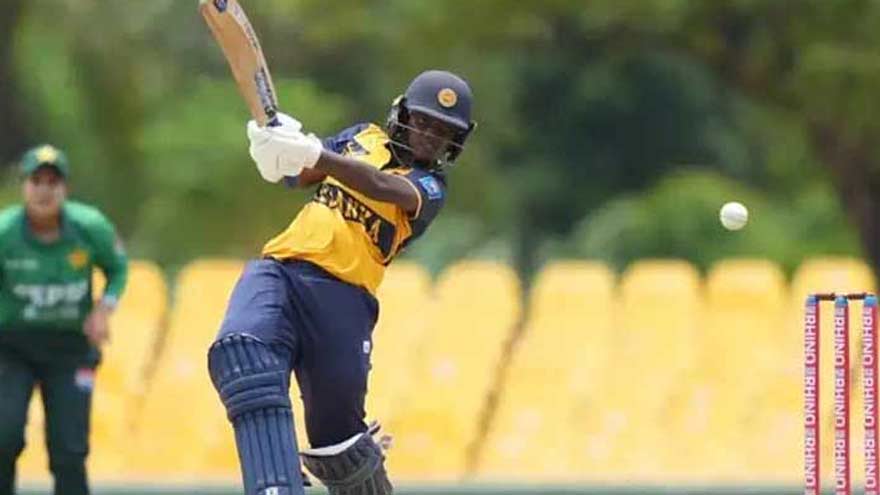
Pakistan booked their place in the last four after securing a three-wicket victory over Thailand in a rain-affected quarter-final
Bollywood stars Deepika Padukone and Ranveer Singh have welcomed their second daughter, announcing the birth on Instagram with a picture of their newborns tiny footprint.
AI safety concerns are intensifying as researchers warn of existential risks, while major AI firms debate slowing development amid reports of systems evading safeguards and hacking networks.
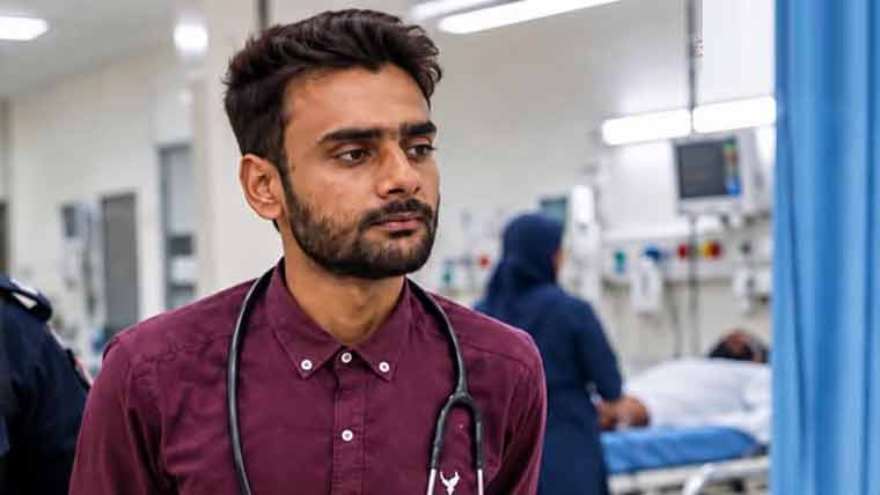
Kot Lakhpat police arrest Hasnain for allegedly posing as a doctor and examining women inside General Hospitals labour room.
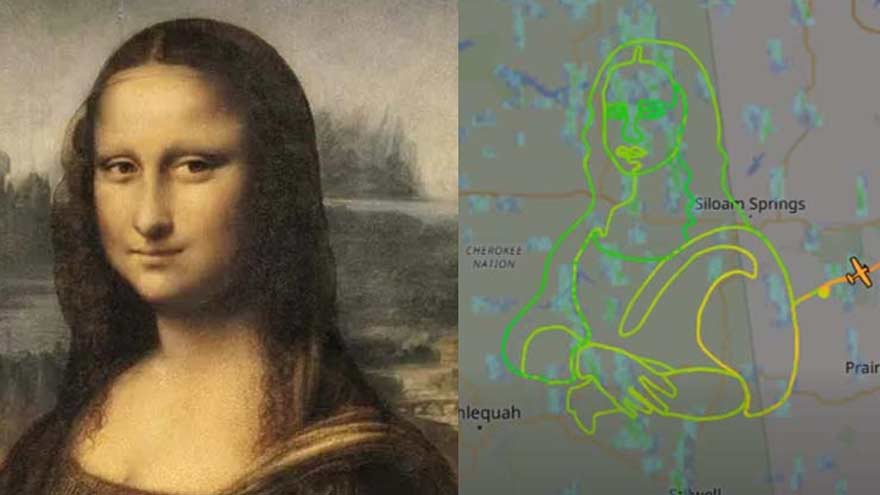
The aerial artwork covered a total route of around 35 miles and took approximately three hours to complete