



Sudan displaced await Christmas with smiles, tears
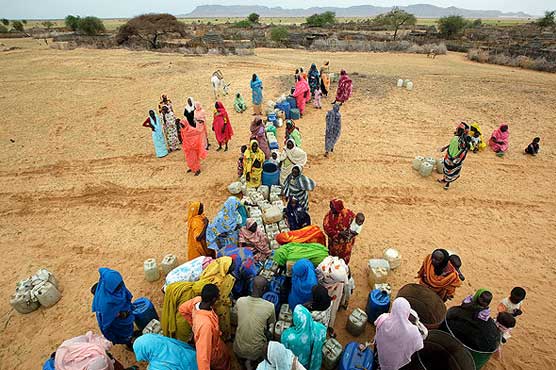
Sudan and South Sudan have not come up with a detailed plan for returning the South Sudanese.
JABORONA: From homes of mud brick or roughly built shelters, Sudan s displaced will gather on the sandy lot of St Bakhita s parish church on Monday for Christmas mass.
The metal benches beneath the church s sagging ceiling will be unable to hold all the worshippers: some are South Sudanese still waiting to go home, and many others are ethnic Nuba from war-torn South Kordofan state. To make room, prayers will be held outside near a giant metal cross.
"It will be a very good celebration," a community worker said, despite little reason to rejoice in the Jaborona settlement, which grew out of the desert near Khartoum s twin city of Omdurman during Sudan s 1983-2005 civil war.
"We can survive and we can smile... but there is a lot of tears in our hearts," one church leader said of the South Sudanese remaining in Islamist-run Sudan, without regular jobs or homes of their own as their cash evaporates. "They want to go back," he said.
Most of the Southerners who lived in Jaborona left earlier, but about 1,000 are still encamped there in tent-like shelters awaiting transport south, said the community worker.
Similar "departure points" all over the Khartoum area hold what local leaders estimate are 40,000 South Sudanese. The civil war drove millions to the north. After South Sudan separated in July 2011, southerners there were given a deadline of April to formalise their status in the north or leave.
Juba s embassy says that, at last count, there were 171,000 South Sudanese still in the Khartoum area.
Sudan and South Sudan have not come up with a detailed plan for returning the South Sudanese, and disagreements have stalled implementation of key deals signed in September on security and economic issues.
These included a pact on the right of each country s nationals to live and move freely in the other country. There have been small-scale organised returns this year, including one last week by the two governments and the Africa Inland Church which moved more than 900 people by road to South Sudan, said Filiz Demir, of the International Organisation for Migration.
