



Bangali cleric sentenced to death for war crimes
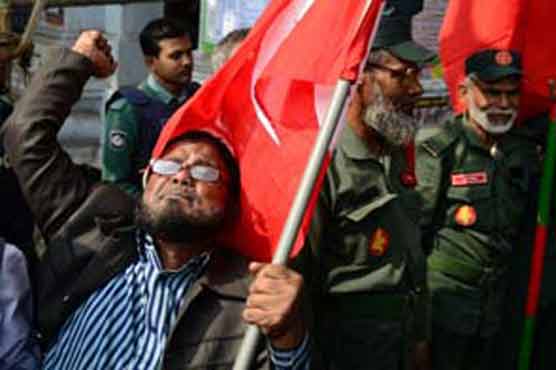
Abul Kalam Azad's conviction is the first verdict handed down by the controversial tribunal.
DHAKA: A controversial Bangladeshi war crimes court probing the nation s bloody independence struggle sentenced a fugitive JI televangelist to death Monday as it handed down its first judgement.
Maolana Abul Kalam Azad, who has been on the run for about a year, "is found guilty, to be hanged by the neck until he is dead" for genocide and murder during the 1971 liberation war against Pakistan, Judge Obaidul Hasan announced.
The International Crimes Tribunal, which is a domestic tribunal with no international oversight, was created by the government in 2010 and has been tainted by allegations it is politically motivated.
But its first verdict was warmly welcome by the government and its supporters.
"It s a victory for humanity. Bangladeshi people have been waiting for this day since 1971. They can now heave a sigh of relief," said Attorney General Mahbubey Alam.
Supporters of the ruling Awami League party held instant processions in the capital and across the country as the verdict was announced. There were also marches by former freedom fighters, some of whom made V-signs.
Azad, 63, who for years presented a widely watched show on Islam on private and state-run television channels, is a former leading light of Bangladesh s largest opposition Islamic party Jamaat-e-Islami.
In total, 11 top opposition figures, nine from Jamaat and two from the main opposition Bangladesh Nationalist Party (BNP), stand accused of war crimes.
Both Jamaat and the BNP have called the cases "politically motivated and farcical" and international rights groups have questioned the proceedings and found loopholes in the war crime laws.
Abdus Shukur Khan, a tribunal-appointed defence lawyer for Azad, said the case was "false".
Prosecutor Shahidur Rahman told AFP that Azad became known as "Bachchu the collaborator" during the war in his home town in the southwestern Faridpur district, where he was accused of murdering at least a dozen Hindus.
Azad, who also heads an Islamic charity, is believed to have fled the country immediately after the tribunal opened the case against him.
Bangladesh, which was called East Pakistan until 1971, has struggled to come to terms with its violent birth.
The current government says up to three million people were killed in the war, many murdered by locals who collaborated with Pakistani forces.
Prime Minister Sheikh Hasina s regime established the tribunal in March 2010 to try the collaborators, but it has been hit by a series of controversies.
Last month a presiding judge resigned after his leaked Internet calls showed he was under pressure from the government to deliver a quick judgement, raising further questions about the fairness of the trials.
The government says the trials are fair and meet international standards.
Judge Hasan in his verdict blamed Jamaat for creating pro-Pakistan militias during the war and said the impunity that war criminals enjoyed had "held back political stability, saw the ascent of militancy and destroyed the constitution".
