Summary Israel’s deadly strikes continue across Lebanon despite the announcement of a new US-brokered ceasefire agreed between Lebanese and Israeli officials in Washington.
BEIRUT (Agencies) - Israel’s deadly strikes continue across Lebanon despite the announcement of a new US-brokered ceasefire agreed between Lebanese and Israeli officials in Washington.
At least 3,526 people have now been killed and 10,733 injured in Israeli strikes on Lebanon since March 2, the country’s Health Ministry said.
A US-brokered ceasefire agreement between Israel and the Lebanese government has prompted the withdrawal of Israeli forces from some communities in southern Lebanon. Fighting between Israeli and Hezbollah forces continues.
The newly announced ceasefire between Israel and Lebanon is already under pressure, as Israeli airstrikes continued in southern Lebanon just hours after the deal was confirmed.
The US-mediated agreement requires Hezbollah to halt attacks and withdraw from border areas, while Israel maintains some operations.
In Beirut, residents express cautious hope but deep skepticism after repeated failed truces, reflecting ongoing uncertainty over whether the latest ceasefire will hold.
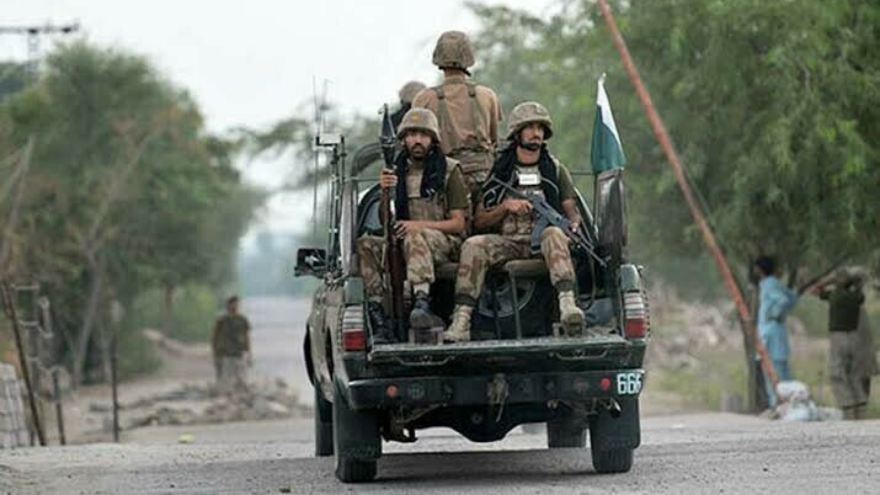
For the first time in weeks, Lebanese Army units entered the southern village of Dibbine after Israeli forces withdrew from the area.
The deployment comes as Lebanon pushes for what officials described as a “comprehensive ceasefire deal”, although no agreement is yet in place.
Lebanon says the deal brokered by Washington is Lebanon’s last chance.
Hezbollah has rejected the entire framework; Secretary-General Naim Qassem described the negotiations as “humiliating” and accused Washington and Israel of trying to impose politically what they failed to achieve militarily…
Lebanon’s Prime Minister Nawaf Salam defended the negotiations, saying diplomacy remains the least costly option for Lebanon. He added that whoever refuses the deal should be held responsible.
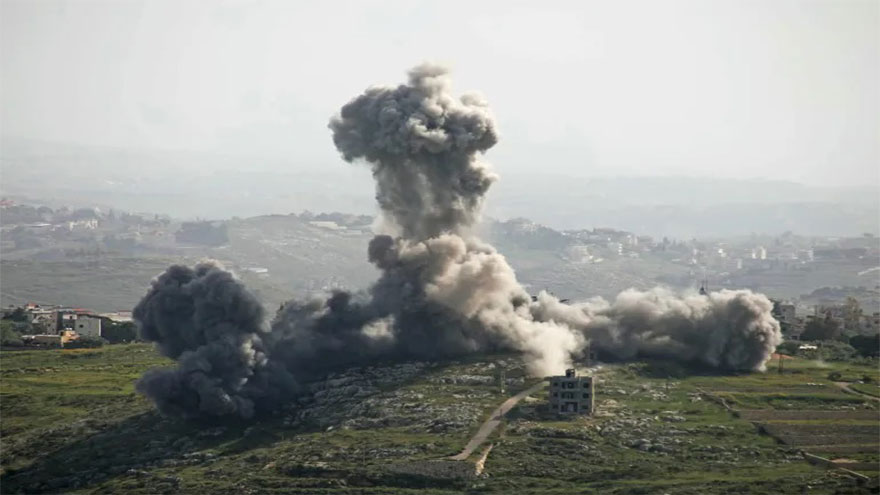
Despite the diplomacy, the war continues. Israeli air strikes and artillery continued to hit towns across southern Lebanon, adding to destruction and displacement already stretching for months.
The Israeli military said 63 officers and soldiers were wounded in fighting in southern Lebanon over the past four days.
The negotiations are attempting to build a ceasefire, while the war is still ongoing, but the deeper issue now is whether Lebanon can reach a new political and security formula before the battlefield imposes its own realities.
The coming days could determine whether Lebanon enters a fragile truce or a far wider confrontation.
ISRAELI FORCES CONTINUE ATTACKS IN LEBANON’S TYRE
Israeli forces have continued to attack the historic region of Tyre in Lebanon’s south from the air and ground.
Lebanon’s National News Agency (NNA) reports that Israeli warplanes launched four missiles that struck in the vicinity of the Jabal Amel Hospital in Tyre.
The renewed strikes come days after another attack across the road from the hospital killed four people and caused “severe damage” to hospital buildings.
Artillery shelling was also reported at the same time in the town of Deir Amas in the Tyre district, the NNA reported.
HEZBOLLAH HITS ISRAELI TROOPS WITH WAVE OF ATTACKS IN SOUTHERN LEBANON
The Lebanese armed group Hezbollah says its fighters launched several attacks on Israeli forces inside Lebanese territory on Thursday.
According to a statement, the group’s fighters targeted multiple Israeli military positions, focusing heavily on troop and vehicle gatherings in several southern Lebanese towns, including Yohmor alShaqif, Rashaf, al-Qantara and Khiam.
The statement noted that a gathering of Israeli troops was repeatedly struck using rocket barrages and squadrons of attack drones.
The area surrounding Lebanon’s historic Beaufort Castle emerged as a primary flashpoint, where Hezbollah claimed to have fired successive artillery shells, large rocket barrages and drone strikes against Israeli command posts and troop concentrations, alongside the targeted destruction of several Israeli Merkava tanks.