Summary U.S. and Israel intensify strikes on Iran, hitting 2,000+ targets as Tehran retaliates across the Gulf. Civilian toll rises, markets reel, flights halt, and Hormuz shipping remains choked.
DUBAI/TEL AVIV (Reuters) - The U.S. assault on Iran was ahead of schedule, said the top American commander for the Middle East, as Israel and the U.S. targeted sites deep inside the country, and Iran carried out strikes around the Gulf.
The five-day-old war continued to rattle global markets, as airline and tourism industries scrambled to deal with more than 20,000 flight cancellations and governments rushed to bring stranded travellers home from the Middle East.
The Israeli military said early on Wednesday it had begun a wave of strikes targeting Iranian launch sites, aerial defence systems and infrastructure.
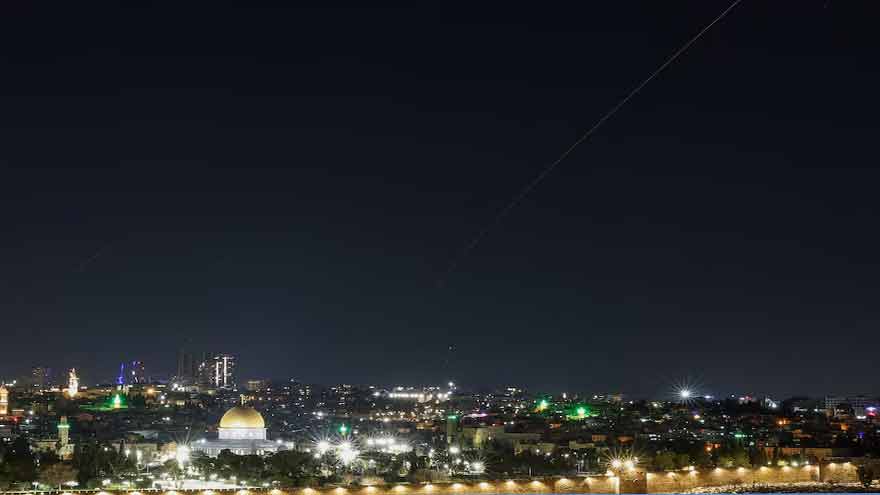
In Israel, air raid sirens sounded early on Wednesday warning of Iranian missiles, and loud blasts as the missiles were intercepted shook buildings, said witnesses.
U.S. Admiral Brad Cooper, who leads U.S. forces in the Middle East as the head of Central Command, said the first 24 hours of the 'Operation Epic Fury' bombardment of Iran were "nearly double the scale" of the first 24 hours of the 'Shock and Awe' campaign that opened the Iraq War in 2003.
"We are seeing that Iran's ability to hit us, and our partners, is declining, while our combat power, on the other hand, is building," Cooper said in a video briefing released on Tuesday evening. "My overall operational assessment is that we are ahead of our game plan."
Cooper said Iran's air defences had been badly degraded, its navy had no operational vessels on key waterways after 17 were sunk, and that more than 2,000 Iranian targets had been hit.
Some 50,000 U.S. troops were taking part in operations, and that "more capabilities" were on the way, he said.
The U.S. military on Tuesday identified four of the first American soldiers killed in the war, as the Trump administration warned the intensifying conflict would lead to more U.S. casualties. Trump has not ruled out using ground forces.
A drone unfortunately struck a parking lot adjacent to the chancellery building and then set off a fire in that place. All personnel are accounted for,..
Canada calls for a rapid de-escalation of hostilities and is prepared to assist in achieving this goal.
A source familiar with Israel's war plan told Reuters that the campaign had been planned to last two weeks and was going through its target list faster than expected, with early success in killing Iran's leaders - including Supreme Leader Ayatollah Ali Khamenei in the opening salvos on Saturday.
Trump said on Monday initial U.S. projections were for the operation to last four to five weeks.
TEHRAN 'GHOST TOWN'
Iran said deaths from the attacks had reached 787 on Tuesday. That included 165 girls killed on the war's first day when their school was bombed, the highest toll among several civilian sites reported to have been hit.
As Iranians have fled cities, the capital Tehran has become a ghost town.
“How long will this continue? Where are the shelters? Where is the government?” Bijan, 32, a bank employee, told Reuters by telephone from Tehran. “Every night my wife and I hide in the basement. The whole city is empty. There is smoke and blood everywhere.”
Israel continued to target the pro-Iran Hezbollah group in neighbouring Lebanon on Wednesday, after the militants fired on Israel in retaliation for the death of Khamenei, 86, who had ruled Iran for 37 years.
The Israeli military issued an evacuation warning on Wednesday to 16 villages in southern Lebanon, urging them to leave their homes, saying anyone near Hezbollah fighters, facilities or weapons would be putting their lives at risk.
Several people were killed in an Israeli air strike on a four-storey residential building in the eastern Lebanese city of Baalbek, the state news agency NNA reported early on Wednesday.
Trump has sought to justify the assault on Iran, saying he had ordered the campaign because he had "a feeling" Iran would attack after negotiations over its nuclear program stalled.
Iran has called the war an unprovoked attack.
"We have told the enemy that if you try to harm our main centres, we will hit all economic centres in the region," Revolutionary Guards adviser Ebrahim Jabari said in Iranian media.
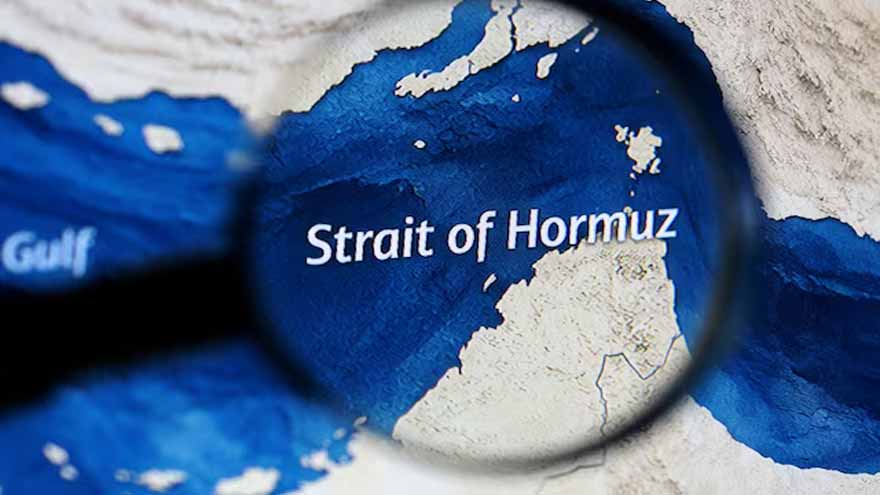
Iran has fired missiles and drones at neighbouring Arab states that host U.S. bases, and strangled shipping through the Strait of Hormuz, where a fifth of the world's supplies of oil and liquefied natural gas travel past its coast.