Summary The article highlighted the Barnahus model, which allows child victims to be interviewed once in a child-friendly environment with the participation of psychologists and law enforcement officials.
ISLAMABAD (APP) - Uzbekistan has introduced sweeping legal reforms aimed at strengthening the protection of children from violence, abuse, and online exploitation, according to an article issued by the Embassy of Uzbekistan in Islamabad on Sunday.
The reforms were introduced through the Law “On Amendments and Addenda to Certain Legislative Acts of the Republic of Uzbekistan in Connection with Improving the System of Protecting Children from Violence,” adopted on April 17, 2026.
Farid Nazarov, Head of the Legal Department of the National Agency for Social Protection under the President of Uzbekistan, said the law reflects a comprehensive approach to enhancing legal mechanisms for child protection, particularly in response to growing digital threats.
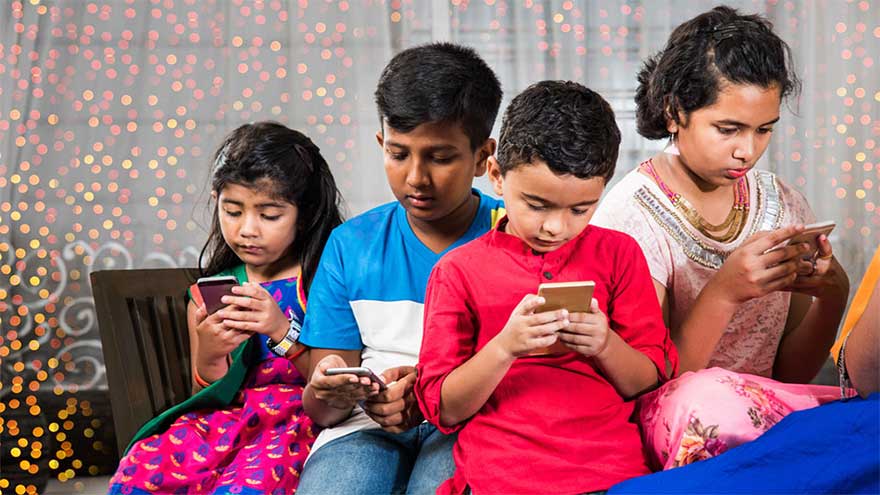
Under the new amendments, liability has been strengthened for offences committed against children through the internet and telecommunication networks. The Criminal Code now includes Article 129¹, which establishes criminal liability for the possession of pornographic material depicting minors with the intention of distribution.
The offence is punishable by fines, correctional labour, restriction of liberty, or imprisonment for up to three years. Administrative penalties have also been introduced for similar acts as a preventive measure before criminal liability applies.
The law further introduces safeguards for children involved in criminal proceedings. Participation of a legal representative for minor witnesses has been made mandatory, while the duration of questioning has been limited according to the child’s age to reduce psychological pressure and prevent re-traumatization.
According to the article, the reforms align with international standards, including the United Nations Convention on the Rights of the Child, and incorporate best practices from Scandinavian countries, Europe, and the United States.
The article highlighted the Barnahus model, which allows child victims to be interviewed once in a child-friendly environment with the participation of psychologists and law enforcement officials.
The reforms mark a new stage in Uzbekistan’s child protection policy by combining prevention, legal accountability, and rehabilitation measures while prioritizing children’s dignity, safety, and well-being.