Summary A Lahore court grants NCCIA five-day physical remand of Faheem Akram, accused of selling counterfeit US postage stamps through an online scheme.
LAHORE (Web Desk) – A local court on Wednesday handed over Faheem Akram, the main suspect in an alleged Rs35 billion scheme involving the online sale of counterfeit US postage stamps, to police on a five-day physical remand.
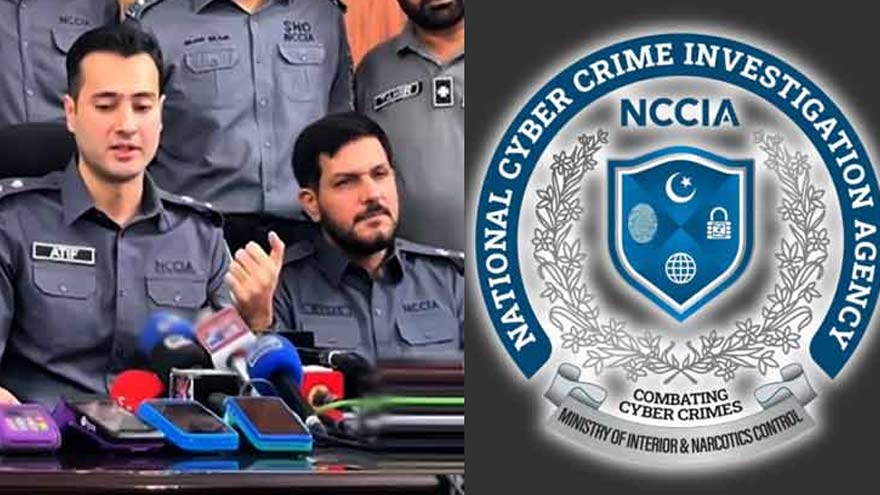
Officials of the National Cyber Crime Investigation Agency (NCCIA) produced the suspect before the court and sought his physical remand.
A US federal grand jury has charged Akram with defrauding the US Postal Service of more than $100 million by allegedly selling counterfeit postage online.
According to US court records, Akram, a resident of Khanewal district in Punjab, operated a website that allegedly sold counterfeit US postage at a fixed rate, regardless of a package’s weight, size or destination.
US Attorney Jason A. Reding Quiñones for the Southern District of Florida said last month that the indictment alleged the sale of more than 5.1 million counterfeit labels, causing losses exceeding $126 million.
US authorities charged Akram with one count of conspiracy to defraud the United States and to make and sell counterfeit postage stamps, five counts of making and selling counterfeit postage stamp labels, and four counts of wire fraud.
According to an investigation supervised by NCCIA Lahore Zone Additional Director Atif Aamir, the suspect allegedly operated the website LabelsBank.com from August 2023 to September 2026, selling more than five million counterfeit US postage stamps at $2 each.
Investigators found that 16 bank accounts were allegedly used for the transactions. Seven accounts reportedly belonged to the suspect, five to his brother, two to his wife, and one each to his sister and maternal aunt.
A case (No. 246/2026) has been registered, and further investigation is underway. Eight special teams have been formed to investigate the case across Punjab, Islamabad and Sindh.
The teams conducted 35 raids at different locations and questioned 47 people. Investigators also analysed 122 call data records, 50 IMEI tracking reports and audio and video recordings from 120 cameras using modern technology and artificial intelligence.
A special operation to trace the suspect continued for 10 days before his arrest.