



Cuban economy minister says no quick fix to devastating crisis
Business
Island nation blames US sanctions for the crisis
HAVANA (Reuters) – Cuba's economic growth is less than 2 per cent this year and remains 8 percentage points below pre-pandemic levels, while production in sectors such as agriculture, mining and manufacturing was further behind, Economy Minister Alejandro Gil said on Saturday.
Speaking before the country's parliament, Gil said the primary sector, which includes agriculture, mining and other basic production, was down 34.9pc compared with 2019, while manufacturing was off 20pc. A third sector that includes services such as tourism, communications and education was down 4.9pc.
Cuba, heavily dependent on food, fuel and other imports, largely blames US sanctions and the coronavirus pandemic for more than a 50pc decline in its export earnings, which are needed to purchase imports, while admitting that market-oriented reforms have moved too slowly in the Communist-run country.
Gil said export earnings so far this year were $1.3 billion, 35.7pc of what had been expected, while imports were $4.4bn, also well below the Cuban government's forecast.
The minister said inflation was raging at a 45pc clip this year, on top of last year's 39pc jump, a figure many economists say underestimates the rate as it does not adequately account for a growing informal market driven by scarcity.
Cuba has resorted to increased price controls to slow inflation, with little success to date, while conceding that other factors are driving up prices, such as low productivity and output.
"If there is no supply and production, we will not achieve effective price control," Esteban Lazo Hernandez, the president of Cuba's parliament, said during a session earlier this week.
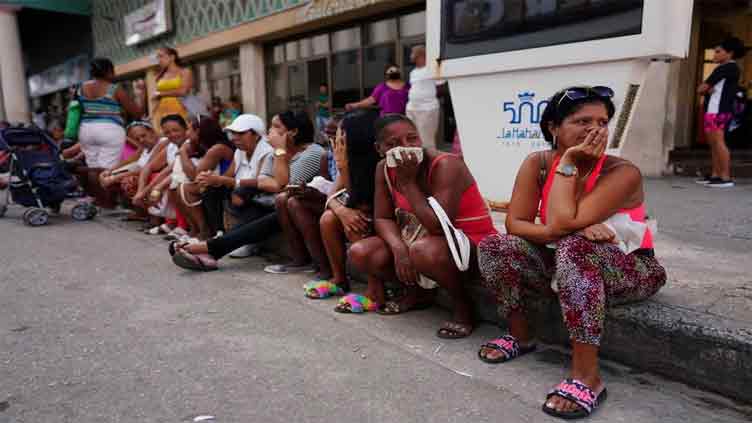
Gil said the crisis, which has left residents reeling, protesting and leaving the island nation, was "complicated," but he added that the government was working on solutions.
"The gradual recovery of the Cuban economy has not yet reached the necessary pace," he said. "Growth (this year) is very light at 1.8pc and also asymmetric. In other words, it does not occur in productive sectors."
