Summary The UK is set to host military planners from more than 30 countries for two days of talks, as momentum builds behind a UK–France-led mission aimed at protecting navigation in the Strait of Hormuz.
PARIS (AFP) - The UK is set to host military planners from more than 30 countries for two days of talks beginning today, Wednesday, as momentum builds behind a UK–France-led mission aimed at protecting navigation in the strategically vital Strait of Hormuz.
The meeting, organised by the British Ministry of Defence, aims to move discussions from broad diplomatic agreement to practical planning.
Officials say the gathering will “advance detailed planning” for reopening the strait when conditions permit, following signs of progress at international talks held in Paris last week.
The UK's defence secretary, John Healey, struck an optimistic tone ahead of the discussions, saying the immediate goal was to turn political alignment into concrete action.
“The task today and tomorrow is to translate diplomatic consensus into a joint plan to safeguard freedom of navigation in the Strait and support a lasting ceasefire,” he said, adding that he was confident “real progress can be made”.
TURNING DIPLOMACY INTO ACTION
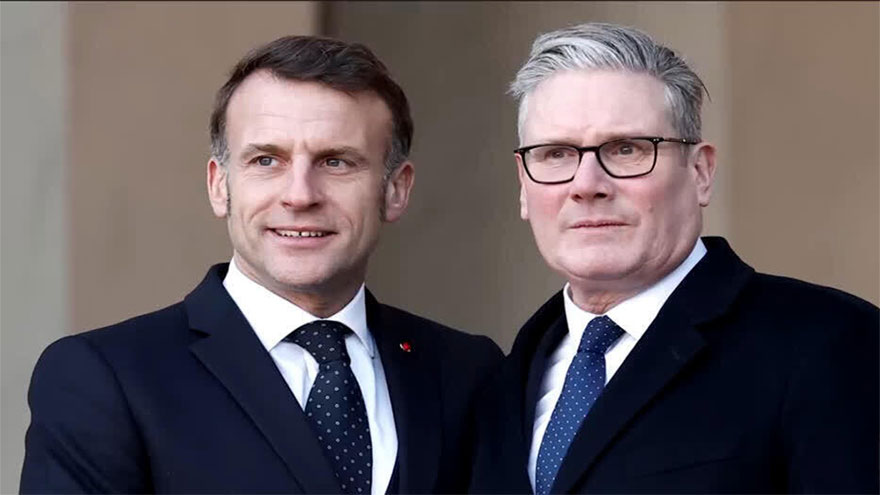
The London conference follows high-level talks in Paris last Friday, co-chaired by Prime Minister Keir Starmer and French President Emmanuel Macron, which brought together representatives from more than 40 countries.
Those discussions laid the groundwork for a coordinated international response to ongoing tensions affecting one of the world’s most important maritime routes.
Britain and France have been at pains to underline the defensive nature of the proposed mission. Officials stress that any deployment would only take place once a durable peace is in place in the region – a signal aimed at reassuring both regional actors and the wider international community that the initiative is focused on stability rather than escalation.
The talks in London are expected to focus on the practicalities of such a mission – from command structures to rules of engagement – as planners seek to ensure that freedom of navigation can be upheld in a way that supports longer-term peace efforts.
CEASEFIRE TENSIONS
The diplomatic push comes against a backdrop of a fragile calm between the United States and Iran. A two-week ceasefire between the two sides had been due to expire at midnight GMT on Tuesday, but US President Donald Trump announced shortly beforehand that it would be extended to allow more time for negotiations.
Despite the extension, tensions remain evident. Both Washington and Tehran have accused each other of breaching the truce, while Trump has said a US blockade of Iranian ports will remain in place for now.
Neither the United States nor Iran – the two principal parties to the conflict – are taking part in the current round of talks in Islamabad, underscoring the delicate diplomatic balance underpinning the initiative.
Downing Street had signalled earlier that a military planning summit would follow the Paris discussions, though details were only confirmed in recent days. The London meeting is being held at the Permanent Joint Headquarters in north-west London, the UK’s command centre for overseeing and managing joint military operations.