Summary Last month, Iran's parliament passed legislation suspending cooperation with the IAEA
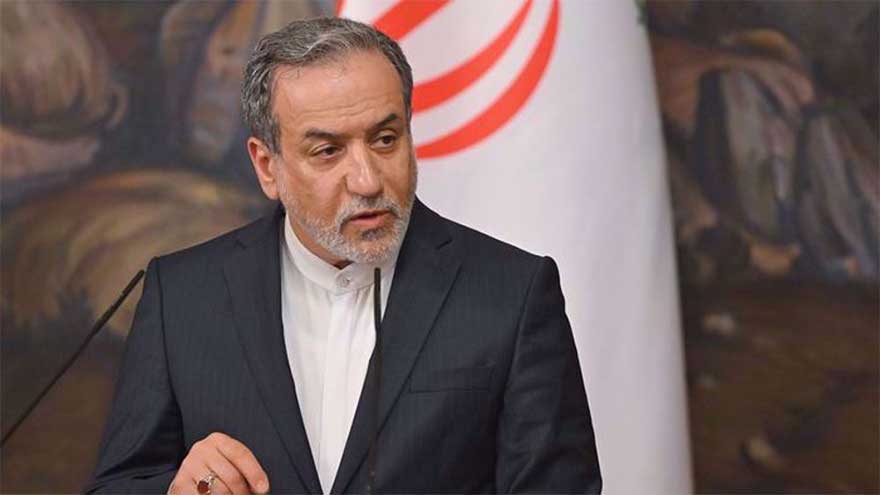
DUBAI (Reuters) – Iran cannot completely cut its ties with the UN nuclear watchdog IAEA, the country's foreign minister Abbas Araqchi said in comments published on Wednesday on the official news agency IRNA.
International Atomic Energy Agency inspectors have been unable to access Iran's nuclear installations since Israel and the US bombed them during a 12-day war in June, despite IAEA chief Rafael Grossi stating that inspections remain essential.
Last month, Iran's parliament passed legislation suspending cooperation with the IAEA and stipulating that any future inspections will need a green light from Tehran's Supreme National Security Council.
Parliament acted after the Islamic Republic accused the IAEA of effectively paving the way for the Israel-US attacks with a report on May 31 that led the agency's Board of Governors to declare Iran in breach of its non-proliferation obligations.
Still, Iranian Foreign Minister Abbas Araqchi, in remarks carried by state media on Wednesday, said Tehran "cannot completely cut our cooperation with the agency...Therefore, inspectors must be there to get this work done".
He did not elaborate.
Araqchi spoke two days after a foreign ministry spokesperson Esmaeil Baghaei said Iran would continue talks with the IAEA and they would probably have another round of negotiations in the coming days.
Responding to a question about resuming talks with Washington, Araqchi said negotiations needed to reach "maturity".
A sixth round of talks between Tehran and Washington was suspended after the Israeli and US strikes in June.
"We had talks (with the IAEA) last week. These talks will continue and there will be another round of talks between Iran and the agency probably in the coming days," Baghaei said.
Tehran has accused the IAEA of effectively paving the way for the Israel-US attacks with a report on May 31 that led the IAEA's 35-nation Board of Governors to declare Iran in breach of its non-proliferation obligations.
The Islamic Republic has long denied Western suspicions of a covert effort to develop nuclear weapons capability, saying it remains committed to the Non-Proliferation Treaty that mandates peaceful uses of atomic energy for signatories.
"The level of our relations (with the IAEA) has changed after the events that took place, we do not deny that. However, our relations...remain direct," Baghaei said during a televised weekly news conference.