Updated on
Summary The conference regarding climate change ended in Panama without any consensus on world level.
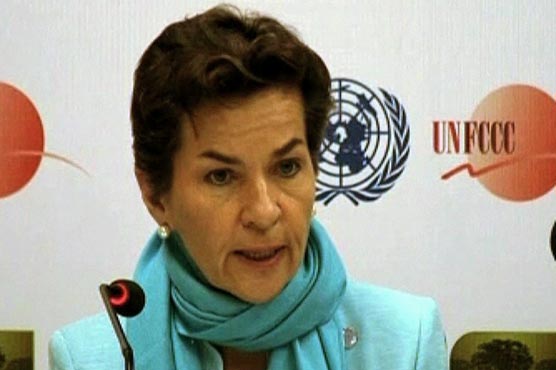
With barely a year to go until the end of the Kyoto Protocol, UN climate talks end in Panama with no international consensus in site on how to salvage global efforts on emission cuts.Environmental envoys from more than 200 countries emerged from U.N. climate change talks in Panama this week no closer to a solution, as policy makers grapple with what to do after the Kyoto Protocol expires in 2012 without an immediate successor or an extension.With increasingly hardline positions between rich and poor countries over their own climate change commitments, U.N. officials used the meeting in Panama to desperately shore up common ground ahead of a major climate summit scheduled in South Africa in just two months.Following days of talks and no breakthrough reported, U.N. climate change head Ana Cristina Figueres defended the recent conference saying that it was an opportunity for countries to contribute to a richer negotiation process and lay down all their issues.The main sticking point for nations has been the amount of carbon emissions individual countries will be required to cut in any new treaty. The European Union has called for an extension of Kyoto with ambitious new targets. However, the United States, the worlds second largest polluter and the only nation to reject the Kyoto Protocol, has called on any agreement to include all countries, including emerging nations such as China and India.However, U.S. climate change envoy Jonathan Pershing remains optimistic that a deal can be reached by all parties.Marathon U.N.-led climate talks failed to meet a 2009 deadline to agree a new pact to start in 2013 and with another set of talks due soon, officials are keen to avert another failure and salvage international climate change negotiations.Australia and Norway have proposed extending negotiations to 2015, but with some scientists warning that global emissions will have to peak in four years or the planet could face irreversible damage negotiators have been warned they are working against the clock.The 1997 Kyoto Protocol covers only emissions from rich nations, binding 40 industrialised nations to cut greenhouse emissions by an average of 5.2 percent below 1990 levels during the five-year period 2008-2012. When Kyoto was agreed, emissions from poorer nations were much smaller. Now they dwarf those of rich countries.Failure to agree on a new climate deal could lead to nations committing only to voluntary steps that are unlikely to put the brakes on climate change, risking more extreme droughts, floods, storms and crop failures. It would also weaken efforts to put in place tough policies to promote cleaner fuels and green energy.