Summary Why are Finland, Sweden and other Baltic states strategically important for NATO?
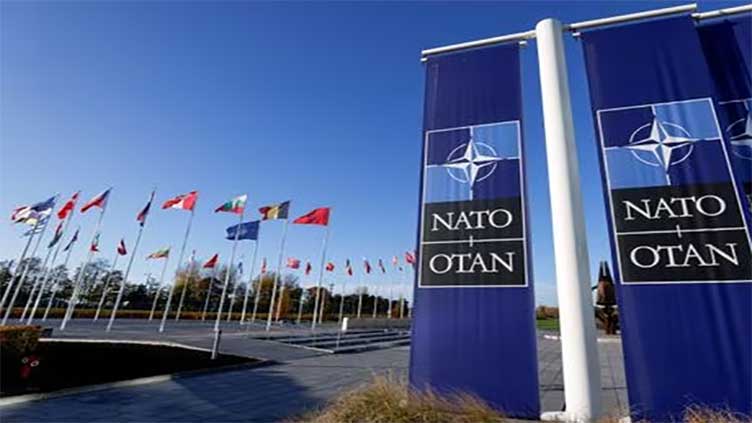
VILNIUS (Reuters) - NATO holds a summit on July 11-12 in Lithuania, one of the three Baltic states that lived under Soviet rule for decades and were among the first NATO countries to send weapons to Kyiv after Russia's invasion of Ukraine.
Here are some details about the Baltic states - Estonia, Latvia and Lithuania -- and their role in NATO:
HISTORY
The Baltics were the last states to become part of the Soviet Union, when they were annexed in 1940, and the first to declare independence in 1990 when the bloc collapsed.
Tens of thousands of people from the three countries were forcibly relocated to Siberia in the 1940s and a post-World War Two uprising against Soviet rule was brutally crushed.
Many Russians settled in the region during the Soviet era. They and their descendants make up about quarter of the populations of Latvia and Estonia.
VULNERABILITIES
The three Baltic states, which have a combined population of about 6 million, are largely made up of flat forested terrain that is squeezed between the Baltic sea to the west and north and Russia and its ally Belarus in the east.
Russia and Belarus have military bases along the border.
Lithuania is the only one of the three states to have a land link to a fellow NATO ally, Poland. The border, in the so-called Suwalki Gap, is a stretch of forest that lies between Belarus and Russia's Kaliningrad enclave.
"Russia considers the Baltic states to be the most vulnerable part of NATO, which would make them a focus of military pressure in the event of a NATO-Russia conflict," Estonian counterintelligence said in a report in 2023.