Summary Sri Lanka banned the NTJ and arrested over 100 people in connection with the blasts.
COLOMBO (Web Desk) - The Sri Lankan Army has, for the first time since the deadly Easter Sunday bombings, confirmed that the suicide bombers involved in the attacks had travelled to India "for some sort of training or to make some more links towards the other organisations outside the country".
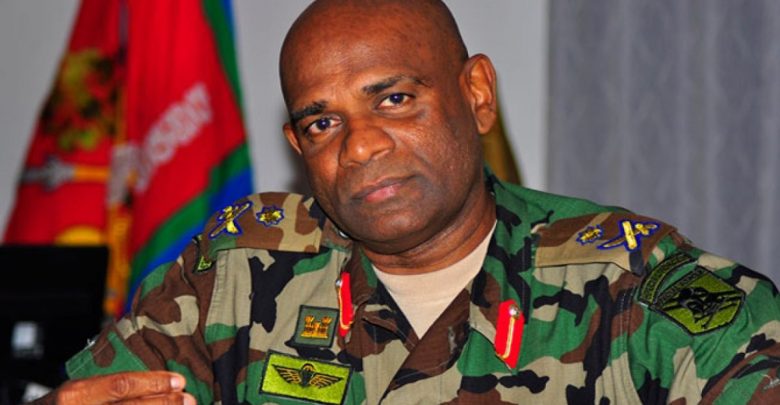
“They (those involved in the attack) have gone to India, they have travelled to [Indian-occupied] Kashmir, they have gone to Bangalore, they have travelled to Kerala state. [That is] the information available with us as of now,” said Sri Lankan army chief Lt Gen Mahesh Senanayake during an interview with the BBC.
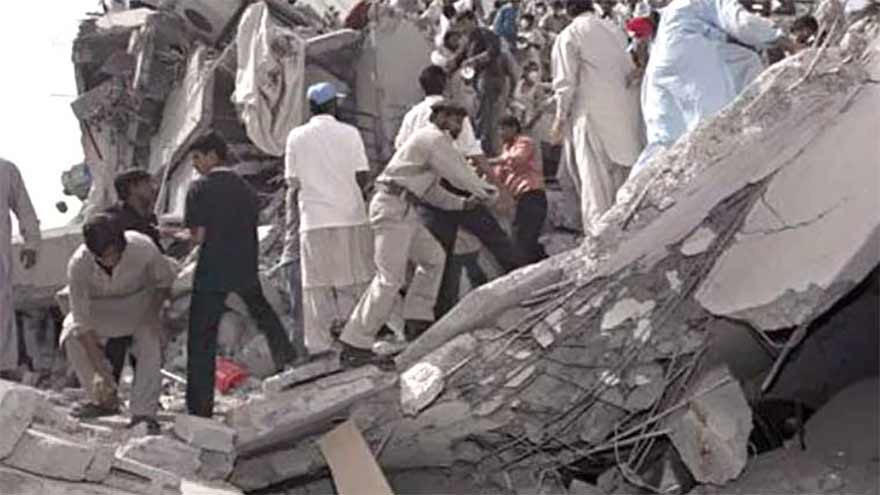
Nine suicide bombers, including a woman, carried out a series of horrific blasts that destroyed three churches and three luxury hotels on April 21, killing 253 people and injuring over 500 others.
Gen Senanayake divulged some details on the movements of the suspects in the region and also international links.
"They (the suspects) have gone to India, they’ve gone to Kashmir, Bangalore, and they’ve travelled to Kerala state. Those are the information available with us," he said.
ALSO READ: Easter bombing mastermind training in India
Upon being asked about the activities terrorists were carrying out in Kashmir and Kerala, the Army chief said: "Not exactly, but definitely in some sorts of training or to make some more links towards the other organizations outside the country".
Government blamed the local Islamist extremist group National Thowheeth Jamaath (NTJ) despite the Islamic State terror group claimed the credits for bombings.
Sri Lanka banned the NTJ and arrested over 100 people in connection with the blasts.
About the possibility of an involvement of a foreign group, the Commander said that by looking at the pattern of operation and the places that the suspects travelled, there has to be some outside involvement of some leadership or instructions.
Upon being asked that why the threats were not taken more seriously after receiving information from India, Senanayake said: "We had some information and intelligence-sharing, situations and military intelligence on a different direction and the others were different and there was a gap that everybody could see today".
He expressed that as the Chief of the Army, he believes that everybody who is responsible for intelligence-gathering and the national security is to be blamed, including the political hierarchies.
Answering why Sri Lanka was targeted, COAS said: "Too much of freedom, too much of peace for the last 10 years. People forget what happened for 30 years. People are enjoying peace and they neglected security".
He was referring to the three-decade civil war with the Liberation Tigers of Tamil Eelam (LTTE) which ended in 2009 after claiming at least 100,000 lives.
"We are deployed on the ground to give confidence to the public and ensure there is no violence or escalation of communal riots in this country. Have trust on the armed forces and the Police of this country who will bring normalcy as soon as possible," the Army chief added.