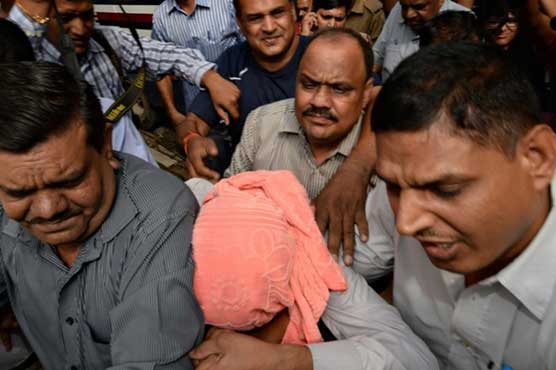
Summary The parents had led protests calling for the bill to be amended
NEW DELHI, Dec 22, 2015 (AFP) - Indian lawmakers Tuesday passed a bill allowing harsher punishments for juveniles aged 16-18 after an outcry over the release of a young rapist who served three years in a detention facility for his part in a notorious gang-rape in 2012.
"I think the ayes have it, the ayes have it, the ayes have it. The bill has been passed," P.J. Kurien, a speaker of the upper house of parliament, said after a day-long debate on the bill.
The release two days ago of the youngest convict in the case of the fatal gang-rape of medical student Jyoti Singh in December 2012 triggered widespread calls for amendments to the existing law.
The changes to the law will allow minors aged 16 onwards to be sentenced to at least seven years in young offenders institutions if convicted of "heinous crimes" including rape and murder.
However, they will not face the death penalty.
"#JuvenileJusticeBill attempts to bring balance between rights of the child and need to deter heinous juvenile crimes, esp. against women," Maneka Gandhi, the federal minister for women and child development, posted on Twitter after the bill was cleared.
Singh s parents, who watched the proceedings from the visitor s gallery of the parliament, welcomed the passage of the bill.
"I am satisfied that the bill has been passed in the upper house but somewhere deep down I feel sad that my own daughter never got justice," said Asha Singh, the victim s mother, as her eyes welled up.
The parents had led protests calling for the bill to be amended, labelling the existing law as too weak.