Summary Among foreigners imprisoned on the island, Delgado said some were common criminals
HAVANA (AFP) - Cuba has no political prisoners, only jailed common criminals who "call themselves dissidents," Attorney General Dario Delgado asserted Thursday in an interview marking International Human Rights Day.
"It is sometimes said there are political prisoners here. There aren t," Delgado told the official Communist Party daily Granma.
"The majority of those who call themselves dissidents are common inmates who have been attracted by counter-revolutionary organizations, internal or external, and receive payments directly or indirectly," he said.
"But they aren t prisoners of conscience."
Among foreigners imprisoned on the island, Delgado said some were common criminals and a "very few" were "terrorists or someone who came to Cuba to subvert the political order."
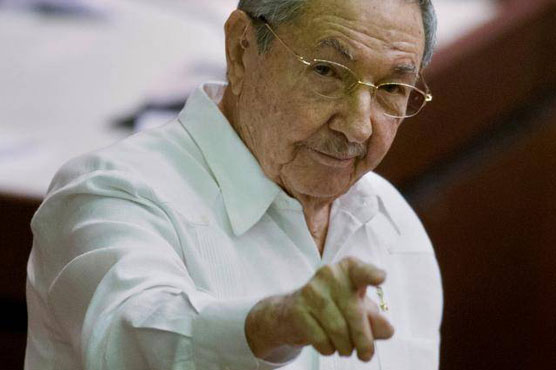
President Raul Castro s communist government in January released 53 inmates whom Washington considered political prisoners, as part of a historic rapprochement between the two former Cold War foes.
But the Cuban Commission for Human Rights and National Reconciliation, which is illegal but tolerated by the government, says another 60 political prisoners remain in Cuban jails.
International human rights groups say the government routinely harasses and temporarily jails opposition activists to prevent them from taking part in public demonstrations or attending private meetings.
In Cuba, all opposition to Communist Party rule is forbidden.
In 2008, Cuba signed UN pacts on civil and political rights, and on economic, social and cultural rights that have been in effect since 1976. But they have not been ratified by Cuba s National Assembly.