Summary Case was brought by Zunera Ishaq, who argued that the ban violated her religious freedom
OTTAWA (AFP) - Canada will ask the Supreme Court to overrule a lower court decision that quashed a ban on new citizens wearing face veils at citizenship ceremonies, the immigration minister said Wednesday.
This comes after the Federal Court of Appeal threw out a policy trumpeted by the ruling Conservatives as an accomplishment on the eve of elections.
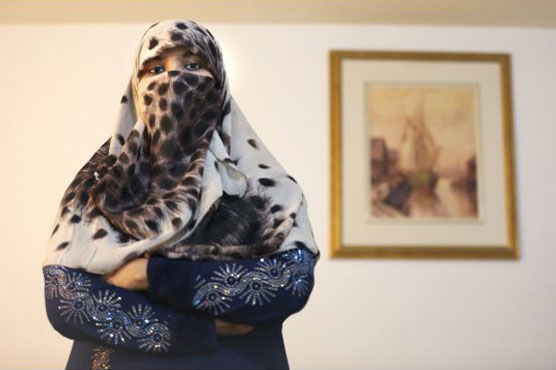
The decision upheld a lower court ruling that the niqab, which covers all of the wearer s face except the eyes, can be worn as newcomers recite the citizenship oath.
The case was brought by Toronto-area resident Zunera Ishaq, who argued successfully that the ban violated her religious freedoms under Canada s rights charter.
"The government of Canada will seek leave to appeal to the Supreme Court of Canada in the Ishaq case," Immigration Minister Chris Alexander said in a one-line statement.
Intergovernmental Affairs Minister Denis Lebel, who is the government s senior official in Quebec province, where face coverings have been met with strong opposition, said the original ban was simply a directive to citizenship officials.
If re-elected, he said, the Conservatives will enshrine it into law "through a legislative change."
At a campaign stop in Calgary, Liberal leader Justin Trudeau said his party would defend "minority rights."
"That s one of the things that makes our country strong, not in spite of our differences but because of them. In any situation where a government chooses to limit or restrict individual rights or freedoms, it has to clearly explain why."
The appeals court had expedited its decision, it said, so Ishaq could take the oath in time to vote in the October 19 national elections.
Originally from Pakistan, Ishaq arrived in Canada in 2008 and passed her citizenship test in 2013.
But Ishaq refused to participate in the oath-reciting ceremony because she did not want to do it with her face uncovered, as required under a 2011 rule change.
The ban notwithstanding, Canada sees itself as a pioneer in multiculturalism for policies including allowing federal police and soldiers who are Sikh to wear their traditional turban and dagger while in uniform.