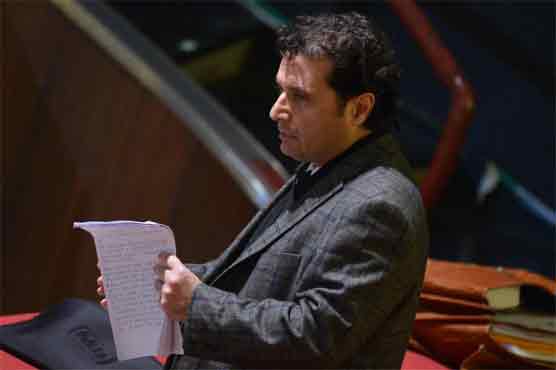
Summary Italian court on Wednesday sentenced Costa Concordia captain Francesco Schettino to 16 years.
GROSSETO (AFP) - An Italian court on Wednesday sentenced Costa Concordia captain Francesco Schettino to 16 years and one month in prison for causing the 2012 cruise ship disaster which claimed 32 lives.
Schettino, 54, was sentenced at the end of a 19-month trial, three years after the giant liner struck rocks off the Tuscan island of Giglio.
The conviction of the man dubbed "Captain Coward" by the media and "an idiot" by prosecutors, is subject to appeal and Schettino will remain free for the time being after the three judges in the case rejected a request for him to be sent to jail immediately on the grounds that he could could skip the country.
The disgraced skipper, who had earlier tearfully appealed to the court for mercy, was convicted of manslaughter, causing a shipwreck and abandoning his ship with passengers and crew still on board.
On top of the prison term, he was banned from public office from life and from working as a ship captain for five years.
His sentence was significantly lower than the maximum of 26 years and three months which prosecutors had called for. Despite that, the prosecutors declared themselves "completely satisfied" with the verdict.
"The judges completely accepted all the charges we made against the accused," they said in a statement.
Schettino lawyer Domenico Pepe confirmed his client would appeal. "The fact that the judges almost halved the sentence sought by the prosecution has restored a bit of honour to him," Pepe said outside court.
Schettino was accused during the trial of recklessly steering the giant cruise ship onto the rocks with more than 4,000 people on board, negligently delaying an order to abandon ship and then leaving the ship himself in a cowardly and unprofessional manner.
In his defence, Schettino had argued that his crew was to blame for the collision, that the delayed evacuation might have saved lives and insisted he fell off the tilting boat rather than fleeing in fear.
Schettino had also claimed he was being made the sole scapegoat for the disaster and had been the victim of a media witch-hunt.
"I have spent the last three years in a media meat grinder," he said.
"It is difficult to call what I have been living through a life.
"All the responsibility has been loaded on to me with no respect for the truth or for the memory of the victims."
Breaking down in loud sobs, Schettino concluded by declaring "basta (enough)" before slumping back down into his seat.
Schettino s lawyers had sought throughout the trial to demonstrate that he could not be only person responsible for the deaths that occurred given the multiple contributory factors.
They argued that a poorly-trained crew was responsible for setting the ship on its fatal course and that the practice of passing close to shorelines to entertain passengers was effectively company policy.
Charts on board were not accurate and, crucially, the Indonesian helmsman, Jacob Rusli Bin, was unable to understand an order from Schettino to change course just before the collision, the defence contended.
They also argued, unsuccessfully, that it was not the collision, but rather the chaos that ensued due to the ship losing power that was the direct cause of the deaths and that their client could not be held responsible for this mechanical failure.
Costa Crociere, the company that owned the ship, sidestepped potential criminal charges in 2013 by agreeing to pay a one million euro ($1.10 million) fine.
Survivors of the disaster who had rejected Costa s initial compensation offer and had become civil parties in the Schettino case were awarded damages of 30,000 euros ($34,000 each). Among those who will receive the payout is Domnica Cemortan, the blonde Moldovan dancer who Schettino was entertaining over dinner just before the ship hit the rocks.
Five Costa employees including the helmsman and crisis coordinator were sentenced to up to two years and 10 months each in plea bargains concluded early in the investigation.