Summary Societies that repress journalists ultimately oppress their people as well, the US President said.
YANGON, Myanmar (AP) - President Barack Obama pressed for greater press freedoms in Myanmar and China on Friday but said he couldn t discuss the status of a New York Times reporter whom U.S. prosecutors want to testify in a leak investigation.
Obama says he has been "pretty blunt and pretty frank" with leaders in China and Myanmar that societies that repress journalists ultimately oppress their people as well. Asked about the case of journalist James Risen in the U.S., Obama reiterated remarks by Attorney General Eric Holder that no journalists will go to jail for doing their job.
According to the Committee to Protect Journalists, at least 13 journalists have been sentenced to prison in Myanmar this year. A freelance journalist was shot and killed by Myanmar s army after being detained while covering clashes between the army and ethnic Karen rebels in Mon state in September.
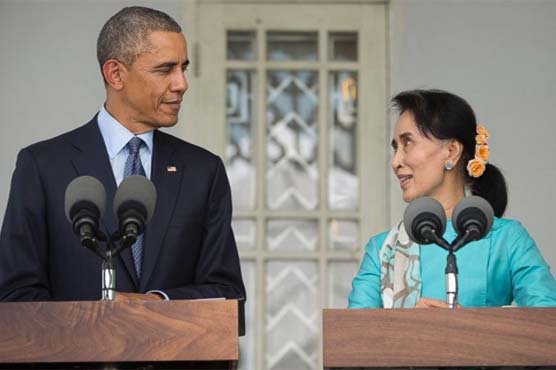
"When governments censor or control information, that ultimately undermines not only the society but it leads to eventual encroachments on individual rights as well," Obama said during a news conference in Yangon, Myanmar, with opposition leader Aung San Suu Kyi .
Obama said he could not comment specifically on the case of former CIA operative Jeffrey Sterling, who prosecutors allege disclosed classified information about Iran operations to Risen. They have said Risen s testimony is integral to their case.
Obama said the U.S. protects press freedoms and that courts adjudicate the competing demands of national security and journalism.
"I recognize that in our own society, we have to constantly balance the need for certain national security issues to remain secret with journalists pursuing leads wherever they can," he said.