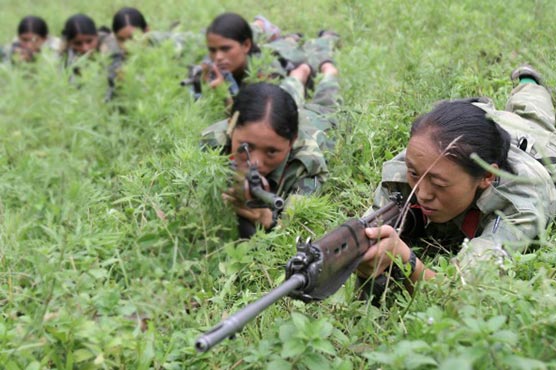
Summary More than 16,000 people died in the decade-long conflict between Maoist guerrillas and the state.
KATHMANDU (AFP) - A government-appointed panel has urged that no amnesty be offered to former Maoist rebels or security forces who committed serious abuses during Nepal s civil war, one of its members said Friday.
More than 16,000 people died in the decade-long conflict between Maoist guerrillas and the state, which ended in 2006. At least 1,300 went missing, according to UN figures.
The government established the panel to work on legislation to set up a Truth and Reconciliation Commission, aimed at healing the wounds from the long civil war.
"We have recommended that there should be no amnesty for those responsible for serious crimes," said Dinesh Tripathi, an advocate and member of the panel.
"Even in other cases, the victim s consent will be mandatory in order to grant amnesty," Tripathi told AFP.
The recommendations, which will be tabled in parliament within 15 days, should lay the foundation for the commission s formation, agreed on as part of a peace pact signed between the Maoists and government in 2006.
An earlier Maoist-led government in 2013 passed legislation that sought to grant amnesty to those responsible for major human rights violations, but the Supreme Court rejected the provisions in a ruling last January.
Both the security forces and rebels are accused of major rights violations including killings, rapes and torture during the civil war.
"We have to establish a credible justice process within the country. The victims should not have to seek justice in international courts," Tripathi added.
Although the Supreme Court has issued arrest warrants over several cases of rights abuses committed during the war, there have been no prosecutions.