Summary Turkey lifted a much-criticised block on Twitter on Thursday.
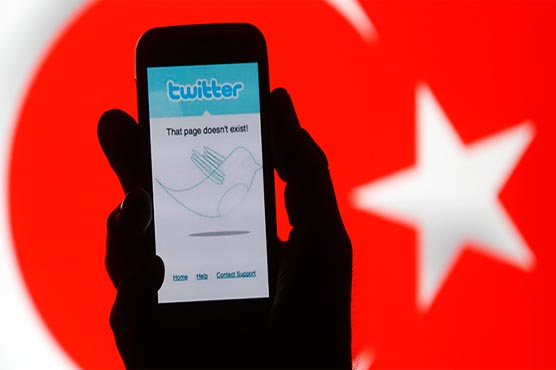
ANKARA (AFP) - Turkey lifted a much-criticised block on Twitter on Thursday, 24 hours after its highest court overturned the ban as a breach of the right to free speech.
Premier Recep Tayyip Erdogan on March 20 shuttered access to the social media site after it had been used to spread a torrent of anonymous leaks implicating his inner circle in corruption.
Turkey's NATO allies and international human rights groups strongly criticised the ban -- as well as an ongoing block of video-sharing website YouTube -- as a step backward for Turkey's democracy.
On Wednesday Turkey's Constitutional Court ruled the Twitter ban violated free speech and ordered the communications ministry and telecoms authority to reverse it "with immediate effect".
The government took 24 hours to react. First the telecoms authority TIB removed from its website a court order on the Twitter block and started contacting internet service providers to lift the ban.
Shortly after -- as many of Turkey's Twitter accounts came live again -- the transport and communications ministry confirmed the move in a brief statement.
"In line with the decision made by the Constitutional Court ... the measure blocking access to the Twitter.com Internet site has been removed," it said. "After the necessary technical arrangements, the site will be opened to use."
The ban had been widely circumvented by many of Turkey's almost 12 million Twitter users, who have instead sent tweets via text message or by adjusting their Internet settings.
Many Twitter users quickly commented on the move, with Nervana Mahmoud writing from Egypt, "Joy to the world, the Sultan has agreed", using a common nickname for Erdogan.
Turkish journalist Adem Yavuz Arslan urged caution, warning that users should maintain the VPNs or virtual private networks they have used to get around the ban.
"Twitter has been unblocked," he wrote. "But do not change your VPN settings yet. Because the government has the plug on the Internet. It can pull it whenever it wants."
When the micro-blogging service wasn't live in Turkey by Thursday morning, critics started pushing, fearing that the government may ignore the order.
Lawmaker Sezgin Tanrikulu of the secular main opposition Republican People's Party, warned that defying the ruling "would mean an abuse of power" while President Abdullah Gul, a regular Twitter user, said the bans on Twitter and YouTube now needed to be lifted.
After the service returned, San Francisco-based Twitter said: "We are encouraged by the news from Turkey today and welcome our Turkish users back to Twitter."
The United States, which offered rare criticism of ally Turkey over its crackdown on social media, also welcomed the move.
"Welcome back to Twitter #Turkey. Good decision by constitutional court. @YouTube still offline," tweeted Rick Stengel, the undersecretary of state for public diplomacy.