Summary Molla is the first person put to death for massacres committed during 1971 independence war.
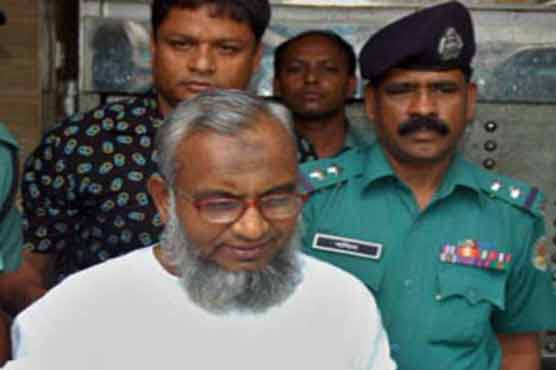
DHAKA (AFP) - Bangladesh on Thursday hanged a senior Islamist leader known as the "Butcher of Mirpur", making him the first person to be put to death for massacres committed during the country's bloody 1971 war of independence.
"The execution has been carried out," deputy law minister Quamrul Islam told AFP, adding that Abdul Quader Molla, 65, a senior leader of the Jamaat-e-Islami party, was hanged at 10.01 pm (1601 GMT) in a jail in the capital Dhaka.
Earlier, Bangladesh’s highest court upheld the death penalty for a top Islamist leader convicted of war crimes, just two days after he was given a dramatic last-minute reprieve from execution.
The Supreme Court headed by Chief Justice Muzammel Hossain "dismissed" Abdul Quader Molla s appeal for a final review of his death sentence, meaning he could now be hanged as early as midnight Thursday.
"There is now no legal bar to execute him," Attorney General Mahbubey Alam told AFP in the court, amid applause by pro-government lawyers.
On Tuesday night a judge stayed the hanging of Molla, just 90 minutes before his scheduled execution at a jail in Dhaka, amid a global outcry over the fairness of his and other trials held for alleged war crimes.
Molla, a leader of the Jamaat-e-Islami party leader, would have been the first person put to death for massacres committed during Bangladesh’s 1971 independence war following a series of verdicts by a special war crimes court that have sparked deadly protests.
Molla was convicted of rape, murder and mass murder, including the killing of more than 350 unarmed Bengali civilians.
Since Wednesday the Supreme Court has heard an appeal on whether Molla could seek a review of the death sentence, with his lawyers arguing that he had "a constitutional right" to do so.
However Attorney General Alam told the court that there was "no scope for a review in war crimes cases".