Summary The London-based rights watchdog said Sri Lanka may regret having hosted the three-day summit.
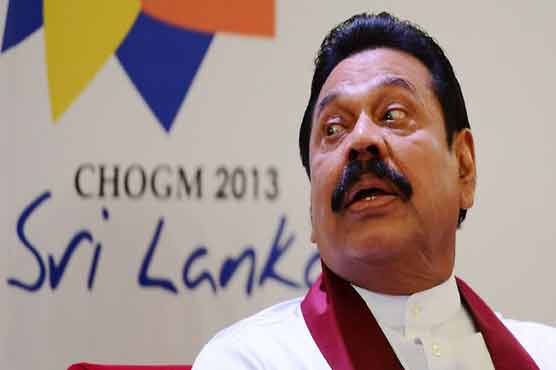
COLOMBO (AFP) - Amnesty International urged Commonwealth leaders Sunday not to ease pressure on Sri Lankan President Mahinda Rajapakse to investigate war crimes after they leave a summit in Colombo Sunday.
The London-based rights watchdog said Sri Lanka may regret having hosted the three-day Commonwealth summit "which has proved a PR disaster" for Colombo.
"The challenge for the international community is now to keep up the pressure on the Sri Lankan government," Amnesty director Steve Crawshaw said in a statement.
The summit was troubled even before it started, with Indian Prime Minister Manmohan Singh joining a boycott called by Canadian Premier Stephen Harper to protest at Colombo s rights record.
Mauritius Prime Minister Navin Chandra Ramgoolan then dropped another bombshell by staying away and withdrawing his country s offer to host the next summit in 2015, to protest at Sri Lanka s hosting of this year s gathering.
Britain s David Cameron did not join the boycott, but issued an ultimatum to Rajapakse to probe war crimes by March or risk an international investigation under United Nations authority.
"The strong words by Mauritius, Britain and others have bolstered calls for an international investigation into credible war crimes allegations," Amnesty said. "But we need action, not just words."
"Those responsible for past violations, including war crimes, must be held accountable irrespective of rank, and ongoing human rights violations stopped -- victims and survivors must see justice done," an Amnesty statement said.
"The past week has provided clear examples of the government s repressive tactics," Amnesty said, referring to the detention of foreign activists and politicians and the harassment of foreign journalists before the summit.
Rajapakse was forced to defend his record throughout the three-day summit and insisted that he should be given more time. He also rejected Britain s ultimatum and said pressure was counter-productive.
Sri Lanka s military campaign that crushed Tamil Tiger rebels in May 2009 also sparked charges that up to 40,000 ethnic Tamil civilians were killed by troops during the bloody finale to a 37-year conflict.
Colombo has maintained that not a single civilian was killed by its troops, and has consistently resisted calls for an international probe.