Summary Assad warned there will be retaliation against the US for any military strike.
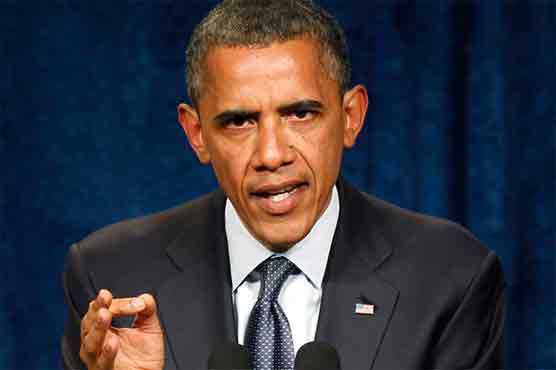
WASHINGTON (AP) - President Barack Obama prepared his final public arguments for strikes against Syria before Congress, which returns from holiday Monday, takes its first vote on the issue this week.
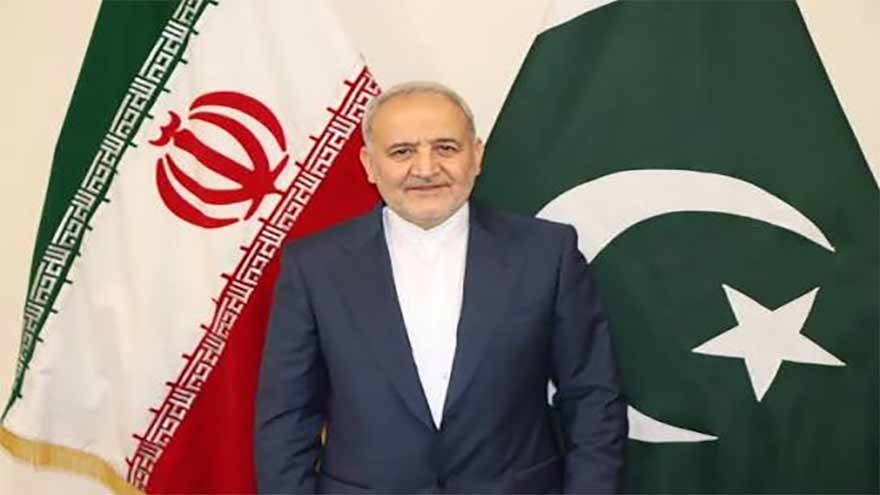
Syrian President Bashar Assad warned there will be retaliation against the U.S. for any military strike launched in response to a chemical weapons attack, telling American journalist Charlie Rose, "You should expect everything." Parts of Sunday s interview in Damascus were broadcast Monday morning on CBS.
Assad also denied making a decision to use chemical weapons against his own people, and he said there is no conclusive evidence about who is to blame in the Aug. 21 attack that the U.S. says killed more than 1,400 people.
The full Assad interview is set to air on Rose s prime-time program on PBS. Even before the interview was released, the White House criticized it.
"It doesn t surprise us that someone who would kill thousands of his own people, including hundreds of children with poison gas, would also lie about it," spokeswoman Bernadette Meehan said.
Obama is arguing that limited strikes against Syria are needed for the United States long-term safety. The president on Tuesday addresses the nation in a prime-time speech on Syria from the White House.
Congress is set to have its first votes authorizing limited strikes into Syria as early as Wednesday. The resolution would authorize the "limited and specified use" of U.S. armed forces against Syria for no more than 90 days. The measure bars American ground troops from combat
On Monday, top administration officials were heading to Congress for more classified briefings. And White House national security adviser Susan Rice was scheduled for a speech at a Washington think tank as part of the administration s argument that it isn t contemplating another commitment like Iraq and Afghanistan.
Secretary of State John Kerry, appearing Monday at a news conference in London with British Foreign Secretary William Hague, said of Assad: "What does he offer? Words that are contradicted by fact."
He said that if Assad wanted to defuse the crisis, "he could turn every single bit of his chemical weapons over to the international community" within a week. But he said that Assad "isn t about to do it."
Meanwhile, Russian and Syrian foreign ministers said Monday they will push for the return of United Nations inspectors to Syria to continue their probe into the use of chemical weapons. Russia s Sergey Lavrov said after Monday s talks with his Syrian counterpart Walid al-Moallem that Moscow will continue to promote a peaceful settlement and may try to convene a gathering of all Syrian opposition figures who are interested in peaceful settlement.
Lavrov said that a U.S. attack on Syria will deal a fatal blow to peace efforts.
Former Secretary of State Hillary Rodham Clinton, who is scheduled to speak Monday at a White House event on wildlife trafficking, planned to reiterate her support of Obama s efforts to pass the Syria resolution, according to a Clinton aide who spoke on condition of anonymity because the person was not authorized to speak publicly.
Obama and his allies were arguing that the United States needs to remind hostile nations such as Iran and North Korea of American military might. But they have to reassure the nation that the lessons of the last decade were fresh in their minds.
"It is not Iraq, Afghanistan or Libya," White House chief of staff Denis McDonough said Sunday during one of his five network television interviews.
Despite public backing from leaders of both top political parties to strike, almost half of the 433 current members in the House and a third of the 100-member Senate remain undecided, an Associated Press survey found.
Public opinion surveys show intense American skepticism about military intervention in Syria, even among those who believe Syria s government used chemical weapons on its people.