Summary The cyclone is forecast to carry winds of up to 100 miles (160 km) per hour.
SITTWE, Myanmar (AFP) - Dozens of Rohingya Muslims are missing after their boats capsized off Myanmar as they fled a looming cyclone, police said Tuesday, amid fears tens of thousands of displaced people are in the path of the storm.
About seven vessels hit trouble on Monday night after leaving Pauktaw township in Rakhine state in search of safety, according to a Myanmar police official in the capital Naypyidaw.
"About 50 people are missing as far as we know," the official told AFP on condition of anonymity, adding that about 300 people had travelled from Pauktaw by boat to seek higher ground further along the coast.
A spokeswoman for the UN Office for the Coordination of Humanitarian Affairs said the boats were heading for "another camp ahead of the cyclone", which has prompted mass evacuations in Rakhine. One Rohingya Muslim living in Pauktaw said many were feared dead.
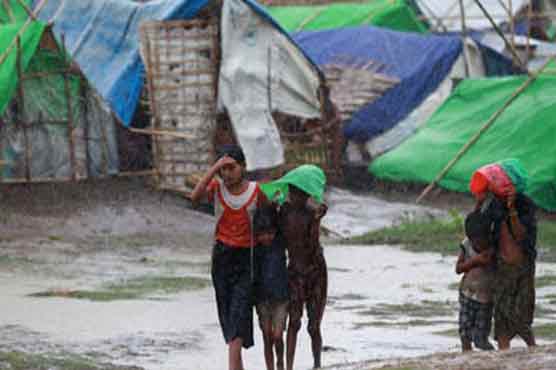
Some 140,000 people displaced by communal violence last year are living in flimsy tents or makeshift housing across coastal areas of Rakhine -- exposed to Cyclone Mahasen, which is gathering strength in the Bay of Bengal.
The cyclone is forecast to carry winds of up to 100 miles (160 km) per hour before making landfall somewhere near the Myanmar-Bangladesh border on Thursday night, according to an update by ASEAN s disaster relief arm.
"The Pauktaw camps housing 17,000 IDPs (internally displaced persons) are particularly vulnerable," the ASEAN department said, adding that camps sited on rice paddies would be swamped by any storm surge.
In Geneva a spokesman for the UN s refugee agency said millions of people living in the area could be hit, with latest estimates suggesting some 69,000 displaced people in three locations were at particular risk.
The cyclone was Tuesday hovering over the Bay of Bengal, around 1,000 kilometres (700 miles) from land. It threatens to worsen the humanitarian crisis in Rakhine, which was sparked by two outbreaks of deadly religious violence beginning last June that saw around 200 people killed and the homes of tens of thousands of people razed.
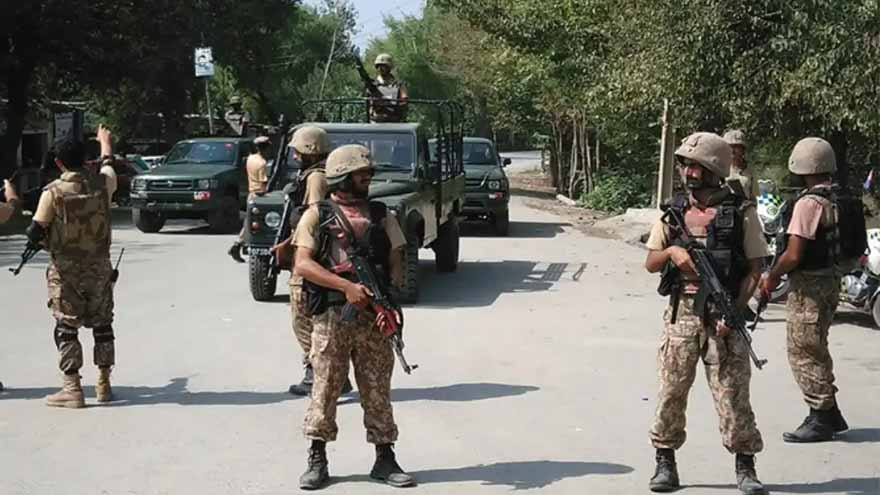
Myanmar s army was deployed to help evacuate those most at risk. But some international observers said the effort had come too late after months of warnings of the danger posed to the camps by this year s monsoon.
"If the government fails to evacuate those at risk, any disaster that results will not be natural but man-made," said Brad Adams, Asia director at Human Rights Watch.
The warnings have revived memories of Cyclone Nargis, which devastated Myanmar s Irrawaddy Delta in May 2008 and killed about 140,000 people.
There were signs Tuesday of increasing desperation among the displaced -- the majority of them stateless Rohingya uprooted by last year s unrest.
Some had reportedly refused to leave their shelters in a sign of the festering mistrust of their ethnic Rakhine neighbours and of security forces.
"We do not want to move to another place in this weather," Maung Maung, a Rohingya Muslim, told AFP by telephone from a camp outside Sittwe. "We are better off staying here to die."
Bangladeshi authorities have warned that the cyclone could barrel into coastal homes there, but stopped short of issuing an evacuation order for residents in the low-lying Chittagong area, home to some 30 million people.
The Muslim nation is also home to a large, longstanding Rohingya refugee population -- estimated at around 300,000 -- with many living in cramped coastal camps just over the border from Rakhine.
An official from Bangladesh s Cox s Bazaar district, the site of a number of such camps, said authorities were using loudspeakers to warn islanders and coastal dwellers of the storm.
Thousands of Rohingya have fled Myanmar in rickety and overcrowded boats since the Rakhine violence erupted. Scores have died making the perilous journey south towards Thailand and Malaysia.
Myanmar views its population of roughly 800,000 Rohingya as illegal Bangladeshi immigrants and denies them citizenship.