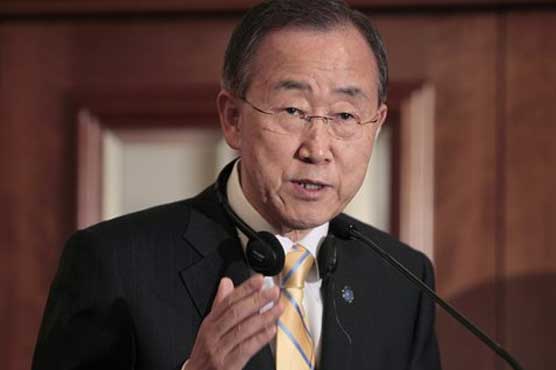
Summary UN chief Ban Ki-moon arrived in Cairo to bolster Egypt-brokered efforts for a ceasefire in Gaza.
UN leader Ban Ki-moon arrived in Cairo on Monday to bolster Egypt-brokered efforts for a ceasefire in Gaza which officials said could end the conflict before it escalates into an Israeli ground invasion.
Ban will inject heavyweight impetus into the peace effort, meeting Foreign Minister Mohammed Kamel Amr and Arab League chief Nabil al-Arabi before flying to see Israeli Prime Minister Benjamin Netanyahu and Palestinian chief Mahmud Abbas.
Egyptian mediators have been hosting marathon indirect talks between a Hamas team led by Khaled Meshaal and an Israeli envoy, which an Egyptian official said had produced "encouraging signs" on ending the crisis, now in its sixth day.
"The secretary general wishes to add his diplomatic weight to these efforts, which are considerable and extremely important," UN spokesman Martin Nesirky told reporters from Cairo on Ban s arrival.
The Israeli prime minister was in talks with top ministers on Monday evening, a government source said, in what was understood to be discussions on how to proceed.
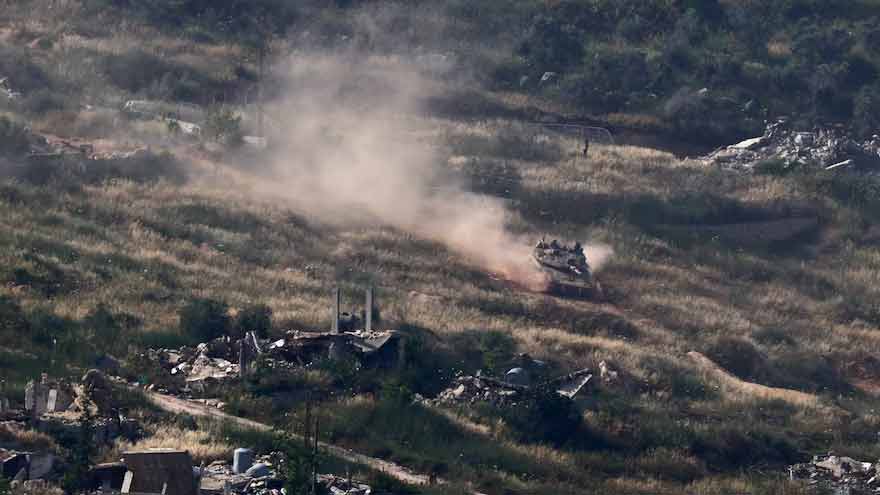
Ministers in Netanyahu s inner circle -- the Forum of Nine -- were reportedly discussing whether to agree to a ceasefire or expand the air and naval campaign into a ground operation.
Israeli public radio said the meeting would touch on an Egyptian ceasefire proposal.
The report said Israel wanted to see a 24- to 48-hour truce take effect that could then be used to negotiate the finer details of a full ceasefire agreement.
The radio said most army attacks on Gaza had halted some two to three hours before the start of the meeting.
But there was no immediate indication on whether a firm decision on Egypt s proposal would emerge. A senior government official refused to confirm the meeting s exact agenda when contacted by AFP.
Hamas leader Meshaal earlier told a news conference his group would respect a ceasefire if Israel stopped its "aggression" on Gaza, but insisted the blockade of the impoverished and densely populated enclave must also end.
"We are not against a calming, but we want our demands... to end the thuggery, to end the aggression and to lift the blockade," he said.
Privately, a senior Hamas official said they were seeking only a "commitment" to ending the seige that Israel imposed when the Islamist movement seized Gaza from its secular Fatah rivals in 2007.
Another official close to the talks said both sides wanted assurances of a halt to military action, including Hamas rocket fire and Israeli strikes such as that which killed Hamas s military chief on Wednesday, sparking the conflict.
Other demands, such as ending the blockade, could be discussed after a preliminary ceasefire comes into force, he said.
An Egyptian official said the talks so far have been promising.
"We ve received encouraging signals that it might be possible to stop the fighting and the bloodshed," which has so far cost the lives of more than 100 people, the official said.