Updated on
Summary Countrys child obesity rate has reached alarming levels as some 4.5 million kids are overweight.
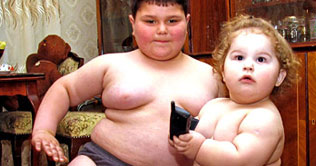
Mexico’s authorities have warned that the country’s child obesity rate has reached alarming levels as some 4.5 million kids aged between five and 12 years are overweight. Health and education officials have implemented anti-obesity programmes in schools with bans on junk food and soft drinks rich in salt, sugar and saturated and trans-fats. Yet, most children still have sweets and greasy treats within reach in food carts and shops.Elementary school director Maria Teresa Zamorano said that parents also contributed to their childrens unhealthy diet. There are many obese children in schools because even though we work with them inside schools, even though education authorities tell us you shouldnt sell this, outside the school there are many things for sale and their parents buy them, she said. In Mexico, unlike developed countries, children are not given lunch at school, which makes the control of their diet a much harder task for authorities.Retired teacher Elisa Arredondo Hernandez said the kids diet should be observed since their first years in school and at home. I think obesity comes from the family circle, where there should be a good diet. In the kindergartens the diet must be under supervision and organized in order to nourish the children, she said.Mexico has the second highest obesity rate in the world while the United States heads the list. Nearly 70 percent of Mexican adults are overweight and four in every 10 children are obese. Health Secretary Jose Angel Cordova Villalobos has announced that junk food, sweets and sodas ads will soon be banned from commercial breaks in childrens shows. Alejandro Calvillo, director of the non-governmental organization El Poder del Consumidor (The power of the consumer), which sets out to defend consumers rights, said the problem has not been properly tackled by authorities because they continue to support the economic interests of food processing plants and the bottling industry.