Summary YouTube's willingness to offer both financial incentives and potential penalties suggests that Netflix's push into creator-driven content is being taken seriously.
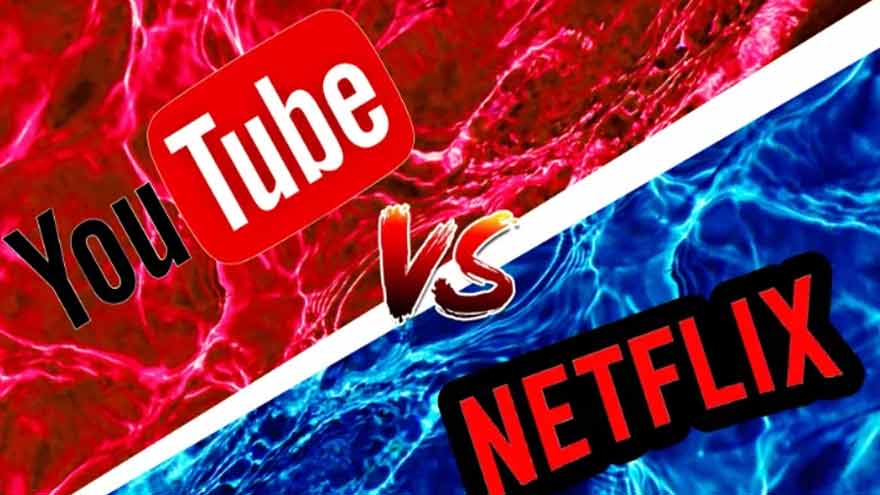
YouTube and Netflix have been moving steadily toward a direct confrontation for years. Now, the competition appears to be accelerating as both platforms fight for control of the biggest names in online entertainment.
YouTube is offering millions of dollars to popular creators in exchange for temporarily exclusive access to their videos, according to people familiar with the discussions. The move is aimed at preventing Netflix from luring some of YouTube’s most successful channels to its platform.
The proposed arrangements could take several forms. YouTube has discussed directly financing creator programs as well as allocating portions of major brand partnerships to selected creators. While no deals have been finalized, YouTube is reportedly close to reaching agreements with several partners.
But the strategy also includes potential consequences for creators who choose Netflix.
According to people familiar with the matter, YouTube has warned that creators who release content on Netflix at the same time could receive less promotional support from the platform, including fewer opportunities to participate in marketing campaigns and events. They could also be excluded from certain major brand campaigns that provide creators with additional revenue.
Netflix is hardly the first company to try to recruit YouTube's biggest stars. Facebook, Twitch and numerous startups have made similar attempts over the years. But Netflix's efforts appear to be gaining enough momentum to prompt a much more aggressive response from YouTube.
The broader battle reflects how dramatically the boundaries between traditional television and internet video have changed.
YouTube has expanded far beyond its origins as a computer-based video platform, becoming a major force in the living room and increasingly competing with traditional television. Its rise in video podcasts has also transformed that market, turning what was once a niche format into one of the most important areas of digital media.
Netflix, meanwhile, has been moving in the opposite direction. The streaming giant has expanded into live programming, sports and other forms of television-style entertainment while continuing to invest heavily in premium content.
Sports may be particularly important in the competition. Live events, especially major games such as NFL broadcasts, attract large audiences at specific times and are highly valuable to advertisers. YouTube already has an enormous advantage in digital advertising, backed by its parent company Google, while Netflix has been rapidly expanding its advertising business.
At the same time, the distinction between user-generated content and professionally produced programming is becoming increasingly difficult to maintain. YouTube and Netflix are both pursuing a similar long-term goal: becoming the central destination where audiences find virtually every type of video.
That makes their competition about more than individual creators. The bigger prize is control of the platform through which viewers discover, watch and navigate content from across the entertainment industry.
For years, other technology companies have challenged YouTube's dominance without fundamentally changing the balance of power. Netflix, however, has a different advantage: a huge global audience, deep pockets and extensive experience producing and distributing premium entertainment.
YouTube's willingness to offer both financial incentives and potential penalties suggests that Netflix's push into creator-driven content is being taken seriously.
The next moves could determine whether the two companies settle into distinct roles or become direct rivals for the same audiences, talent and advertising dollars. For now, the battle is increasingly being fought on both sides of the traditional divide: YouTube is moving deeper into professional entertainment, while Netflix is moving aggressively toward the creator economy.