Summary Apple's classification of the iPhone X as obsolete means the device is no longer eligible for hardware repairs through Apple Stores or Apple Authorized Service Providers.
Apple has officially added the iPhone X and 2018 15-inch MacBook Pro to its list of obsolete products, marking the end of hardware support for two devices that played important roles in the company's product history.
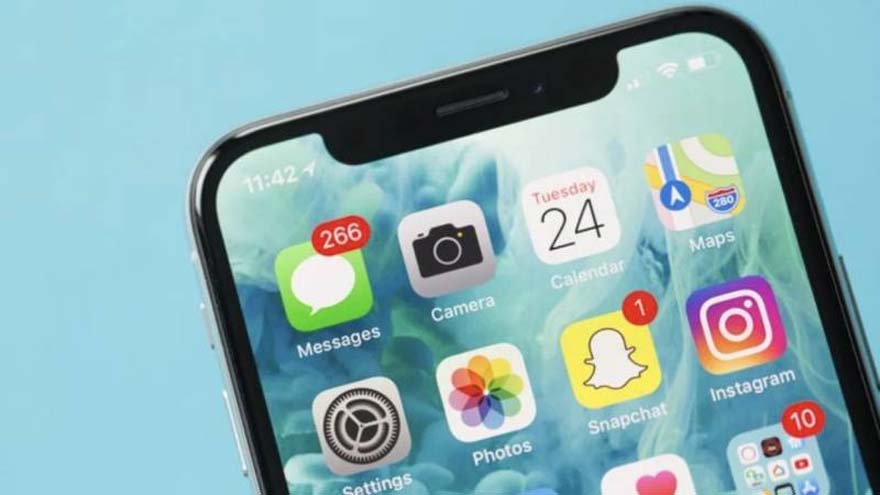
The iPhone X, launched in 2017, became the first iPhone to feature Apple's distinctive display notch. The design represented a major shift in the company's smartphone lineup, replacing the traditional home button with a nearly edge-to-edge display and a cutout for the front-facing camera and sensors.
Apple's classification of the iPhone X as obsolete means the device is no longer eligible for hardware repairs through Apple Stores or Apple Authorized Service Providers.
The nearly nine-year-old smartphone is also unable to run Apple's latest versions of iOS, making an upgrade increasingly necessary for users who continue to rely on the device.
Alongside the iPhone X, Apple has also moved the 2018 15-inch MacBook Pro to its obsolete list.
The 15-inch MacBook Pro from 2018 was powered by an Intel processor, part of Apple's Mac lineup before the company began its transition to its own chips. Apple introduced the first MacBook Pro powered by its M1 chip in 2020 and has since moved almost entirely away from Intel-based Macs.
End of an Era for the iPhone X
The iPhone X's move to the obsolete list comes at a potentially significant moment for Apple's smartphone lineup.
Apple is widely expected to introduce a foldable iPhone in 2026, reportedly positioned as an iPhone Ultra, potentially representing another major change in the company's smartphone design.
Meanwhile, reports and rumors suggest Apple could introduce an iPhone 20 Pro with an all-glass design in 2027. Such a design could eventually eliminate the need for the camera and sensor cutouts that have defined the front of recent iPhones.
The iPhone X therefore closes one chapter of Apple's smartphone design history just as the company appears poised to begin another.