Summary Air pollution is a serious health concern, responsible for millions of premature deaths.
(Online) - Picture the causes of air pollution in a major city and you are likely to visualise pollutants spewing out of cars, trucks and buses.
For some types of air pollutants, however, transportation is only half as important as the chemicals in everyday consumer products like cleaning agents, printer ink, and fragrances, according to a study published Friday in Science.
Air pollution: a chemical soup
Air pollution is a serious health concern, responsible for millions of premature deaths each year, with even more anticipated due to climate change.
Pollution putting million of infants at risk of brain damage, UNICEF says
Although we typically picture pollution as coming directly from cars or power plants, a large fraction of air pollution actually comes from chemical reactions that happen in the atmosphere. One necessary starting point for that chemistry is a group of hundreds of molecules collectively known as "volatile organic compounds" (VOCs).
A way to reduce pollution in US cities -- and traffic, too
VOCs in the atmosphere can come from many different sources, both man-made and natural. In urban areas, VOCs have historically been blamed largely on vehicle fuels (both gasoline and diesel) and natural gas.
Fuel emissions are dropping
Thanks in part to more stringent environmental regulations and in part to technological advances, VOCs released into the air by vehicles have dropped dramatically.
Breathing in Delhi air equivalent to smoking 44 cigarettes a day
In this new study, the researchers used detailed energy and chemical production records to figure out what fraction of the VOCs from oil and natural gas are released by vehicle fuels versus other sources. They found that the decline in vehicle emissions means that -- in a relative sense -- nearly twice as much comes from chemical products as comes from vehicle fuel, at least in the US. Those chemicals include cleaning products, paints, fragrances and printer ink -- all things found in modern homes.
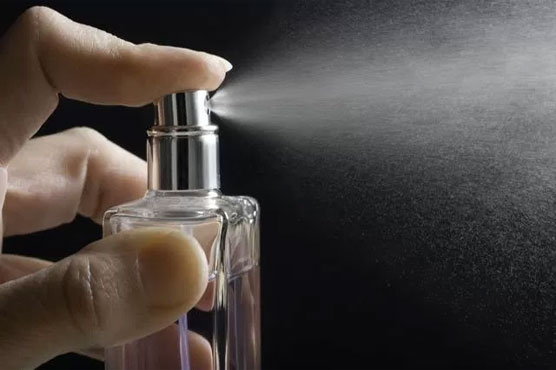
The VOCs from these products get into the air because they evaporate easily. In fact, in many cases, this is exactly what they are designed to do. Without evaporating VOCs, we wouldn’t be able to smell the scents wafting by from perfumes, scented candles, or air fresheners.
Why climate change is worsening public health problems
Overall, this is a good news story: VOCs from fuel use have decreased, so the air is cleaner. Since the contribution from fuels has dropped, it is not surprising that chemical products, which have not been as tightly regulated, are now responsible for a larger share of the VOCs.