Updated on
Summary This year's death toll from West Nile Virus in Greece stood at 16 on October 11.
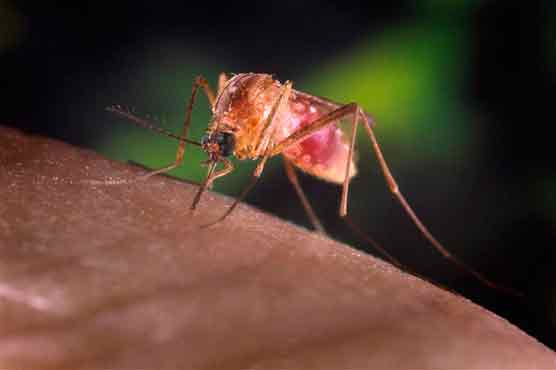
Just when it seems things couldnt get any worse for Greece, the exhausted and indebted country has a new threat to deal with: mosquito-borne diseases.Species of the blood-sucking insects that can carry exotic-sounding tropical infections like malaria, West Nile Virus, chikungunya and dengue fever are enjoying the extra bit of warmth climate change is bringing to parts of southern Europe.And with austerity budgets, a collapsing health system, political infighting and rising xenophobia all conspiring to allow pest and disease control measures here to slip through the net, the mosquitoes are biting back.Already malaria, a disease eliminated from Greece in 1974, is not just returning with visitors and migrants - as it does from time to time in the rest Europe - but is being transmitted from person to person within Greek borders.This years death toll from West Nile Virus, a disease spread by Culex modestus mosquitoes, stood at 16 on October 11. Its a sign of the times that Medecins Sans Frontiers (MSF), a global medical charity more usually associated with the fight to save lives of babies in sub-Saharan Africa, is now working full time in parts of southern Greece.In a country visited by 16 million tourists a year and where austerity measures mean up to 30 percent of the population is already struggling to access the healthcare they need, keeping infectious bites to a minimum is an economic necessity.Yet far from coordinated, timely action, the rising threat from mosquitoes has instead brought a blame game pitching Greeks against foreigners, local mayors against national politicians and patients and doctors against ministers and officials.For a European country, letting this kind of situation develop and not controlling it is a big concern, says Apostolos Veizis, MSFs director of medical-operational support in Greece.You cant run after malaria. In a country in the European Union, we should not be running after a disease like this in emergency mode. Even in poorly-resourced countries in Africa, they have a national plan in place. What I expect from a country that is a member of the EU is at least that.