Summary More than 1.3 million people were affected by floods after heavy monsoon rains.
HYDERABAD (Online) - Shortage of food and spread of epidemics are emerging as major challenges for flood affected people, says Caritas Pakistan.
More than 1.3 million have been affected since heavy monsoon rains triggered floods across country last month.
According to National Disaster Management Authority, 5500 villages have been affected but only 400 camp sites have been erected.
“Villages in two districts of Sindh provinces have completely drowned in about 30 feet of water. The locals, most of them peasants, have lost their livelihood as well as livestock”, said Gerald Johnson, coordinator Disaster program of Caritas Pakistan (CP) in Hyderabad.
“People are desperate with hunger and it is hard to identify the deserving during the coupon distribution; we usually park our vehicles at a distance from the affected area to avoid extra attention”, Johnson added.
Normally an office or a safe building is selected for distributing the items and only those with coupons are invited.
Dr. Nabeel coordinator CP Health department also expressed his concern about the spread of epidemics among the survivors.
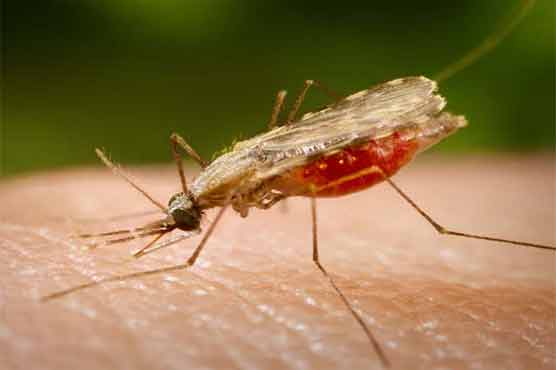
“Almost all of the beneficiaries, we met in Khairpur, are living on the banks and everybody shared about mosquito bites especially at night. We have provided nets and mosquito repellents in hygiene kits but there is an urgent need of tents to prevent the spread of malaria”, he said.
To date, Caritas Pakistan has distributed food packages among more than 1000 families in flood-hit areas. Separately 407 patients have been treated in CP medical camps while 65 have been provided tents.
The Catholic charity now hopes to meet the nutrition needs of 11,500 survivors across country under EA 15 / 2013, the official appeal for current floods. It also plans to provide 9500 winterized kits, medicines to 35,000 patients, wheat seeds to 2500 farmers and tents to 2500 homeless families.