Updated on
Summary The Associated Press obtained a copy of the five-page document on Wednesday.
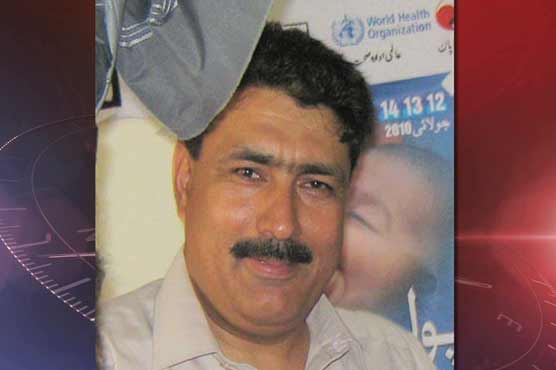
Dr Shakil Afridi who assisted the CIA in tracking down Osama bin Laden was sentenced to 33 years in prison for conspiring with an militant commander, a verdict that will make it more difficult for Washington to argue for his release.The judgment against Shakil Afridi debunked the widely held assumption that he had been convicted for his involvement with the American spy agency.The decision referred to unspecified evidence that Afridi had acted with foreign intelligence agencies, but went on to say any charges related to that couldnt be considered because the court didnt have jurisdiction.Earlier this week, Afridis family and lawyers said he was innocent and would appeal. They said they had not yet seen the court verdict and refused to comment on his relations with the CIA.The trial was carried out in a court in the countrys tribal region. A political official, in consultation with tribal elders, ruled on the case in secret.The fact Afridi was technically convicted for militancy, not helping the CIA, could complicate Washingtons efforts to press for his release. Pakistan could argue that his trial was an internal matter that has nothing to do with the United States.The verdict said Afridi was guilty of conspiring with a militant group led by commander Mangal Bagh. It said he gave money to the group and treated its leaders at a hospital in Khyber when he was stationed there.According to unnamed witnesses, he did this because of his deep affiliation with the group. Others, also unnamed, said the group planned terrorist attacks in Afridis office.The verdict, which was passed down last week, found Afridi guilty of conspiring against the state and other charges.The United States has called for Pakistan to release Afridi, and his punishment has become another flashpoint issue in the fractured relations between the two countries. Pakistans army was outraged by the unilateral U.S. raid that killed bin Laden in May 2011 because it was a violation of the countrys sovereignty and added to perceptions it was a sponsor of terror.Afridi ran a vaccination campaign on behalf of the CIA to collect blood samples from bin Ladens family at a compound in Abbottabad where U.S. commandos killed the al-Qaida leader. It was unclear whether he succeeded, but U.S. officials have publicly said he helped the effort to track bin Laden.Now, the full text of the verdict means Pakistan can now, technically at least, deflect that criticism.