Summary There's already a drug on the market that can block CysLTR1, called montelukast, which has historically been used to treat asthma and allergies
(Web Desk) - A common asthma drug could be repurposed to help tackle hard to treat cancers, such as triple negative breast cancer, an early study suggests.
The research finds that cysteinyl leukotriene receptor 1 (CysLTR1), a protein found on many cells, may be hijacked by tumors to turn important immune cells into sleeper agents that work for the cancer instead of against it.
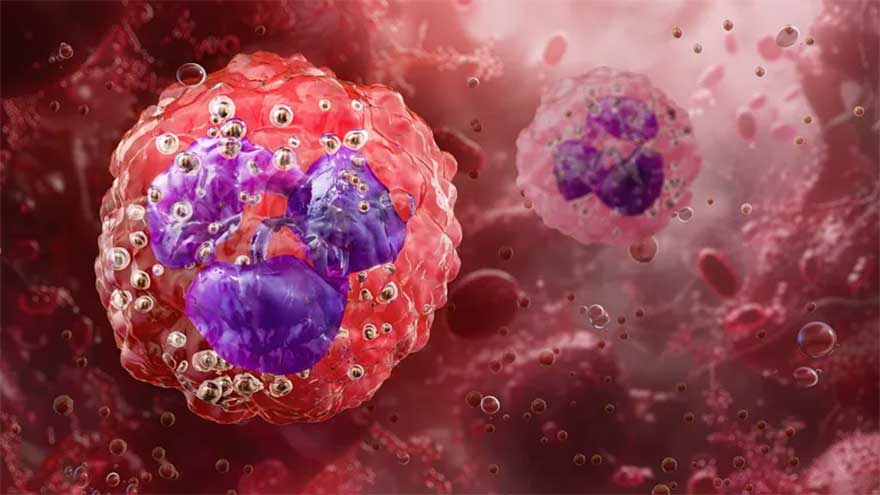
Those immune cells, called neutrophils, would normally directly kill tumor cells, help to rally other immune cells against cancer, or boost the effects of certain cancer therapies.
However, research increasingly suggests that the cells are an important player in how cancers resist immunotherapy. Under certain conditions, they help build and maintain a tumor-promoting environment.
If the new study's finding is confirmed in future research, an existing medication could offer a way to target this receptor and thus reverse cancers' resistance to common immunotherapies.
There's already a drug on the market that can block CysLTR1, called montelukast, which has historically been used to treat asthma and allergies.
The work suggests that "you can repurpose these drugs to revive or to reprogram those neutrophils to become immune stimulatory cells that basically sensitize tumors to immunotherapy," study co-author Dr. Bin Zhang, a professor of cancer immunology at Northwestern University Feinberg School of Medicine, told Live Science.
The research, published Tuesday (May 19) in the journal Nature Cancer, could also help to explain why some patients don't respond to immunotherapy, a treatment that redirects the immune response toward cancer cells.
"There are not many options available for patients who are resistant [to immunotherapy]," Zhang said. "But now, using this drug, it seems like they [could] start to respond to the treatment."