
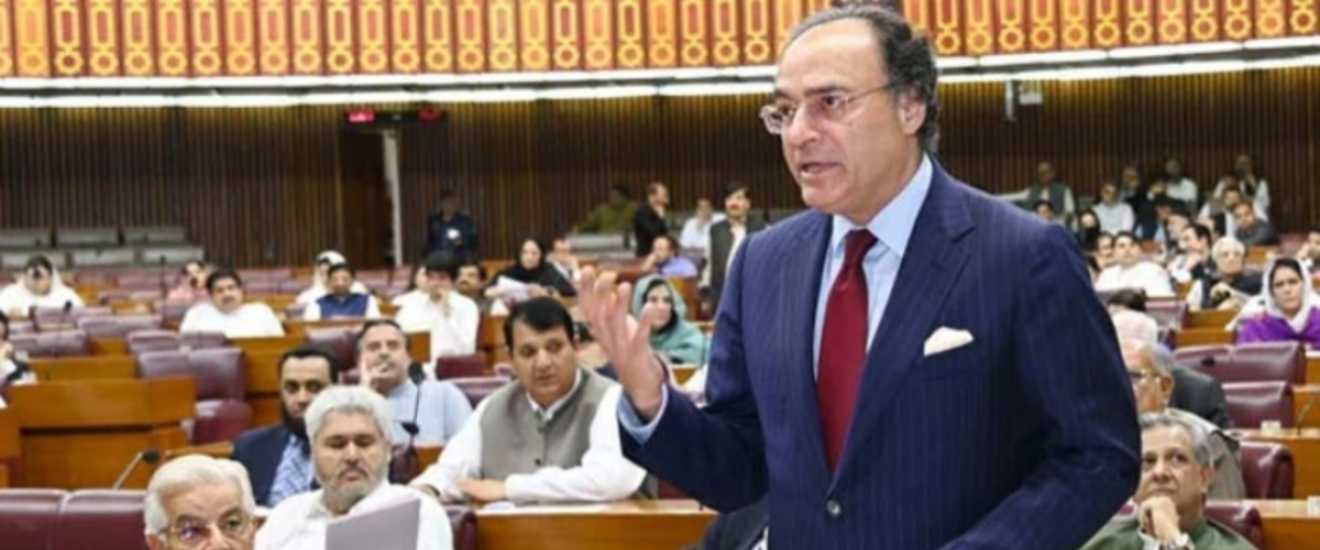
Pakistan Budget 2026-27: Finance Minister presents Rs18,771bn federal budget
Finance Minister Muhammad Aurangzeb started his budget speech while describing Operation Bunyan-un-Marsoos as a bright chapter in Pakistan’s history, saying that last year India was given a strong and decisive response. He said the world is now recognising Pakistan’s defence capabilities, adding that several countries have shown interest in incorporating Pakistani fighter jets into their air forces.
Aurangzeb also highlighted Pakistan–Saudi Arabia defence cooperation, noting that fraternal ties between the two countries have further strengthened through defence agreements. He said the nation carries a “sacred and heavy responsibility” on its shoulders.
According to budget documents, the total outlay for the upcoming fiscal year has been proposed at Rs18,771 billion.
Interest payments on debt have been allocated Rs8,054 billion, while Rs1,169 billion has been earmarked for pensions.
Military pensions are estimated at Rs822 billion and civil pensions at Rs272 billion. Defence expenditure is proposed at Rs3,000 billion, while subsidies are set at Rs1,091 billion.
Federal civil expenditure stands at Rs1,071 billion, and Rs430 billion has been proposed for emergency and unforeseen contingencies. Total current expenditure is estimated at Rs17,495 billion.
For the Public Sector Development Programme (PSDP), Rs1,050 billion has been allocated, while the Federal Board of Revenue (FBR) tax collection target has been set at Rs15,264 billion.
.jpg)
Defence budget set at Rs3 trillion
The federal government has allocated Rs3 trillion for national defence in Budget 2026-27, reaffirming it as a top priority amid regional uncertainty.
According to budget documents, the increase is aimed at strengthening national security in view of evolving geopolitical challenges.
Finance Minister Muhammad Aurangzeb said making the country’s defence “strong and invincible” remains a key government priority.
PSDP approved at Rs3,675 billion
As the Public Sector Development Programme (PSDP) remains the government’s main tool for driving investment-led socio-economic development, the National Economic Council (NEC) has approved the development programme for FY2026-27 with a total outlay of Rs3,675 billion.
- Federal share: Rs1,000 billion; provinces: Rs2,224 billion; SOEs: Rs451 billion
- Provinces handle most social sector spending under the 18th Amendment
- Federal focus remains on national and strategic development projects
- Over 60% of federal PSDP allocated to transport, water, and energy
- Remaining funds directed to IT, agriculture, health, and education (5Es framework, ‘Udaan Pakistan’)
- Rs54.6 billion earmarked for urban development and housing
- Plan includes 150,000 affordable, climate-resilient housing units
- Digital master plans to be developed for 10 major cities
- Upgrades planned for urban water supply and sanitation systems
Budget 2026-27: Big subsidies, bigger relief
The federal government has proposed multiple subsidy measures in the FY2026-27 budget to provide relief to citizens and support key sectors.
- Rs1,091bn allocated for subsidies: The government has set aside Rs1,091 billion for subsidies in power and other sectors as part of the federal budget expenditure.
- Rs128bn relief on fuel prices: Finance Minister Muhammad Aurangzeb said the government provided Rs128 billion in subsidies to protect consumers from the full impact of the global surge in petrol and diesel prices.
- Power sector support: A major portion of the subsidy allocation will continue to support the power sector, aimed at reducing the burden of rising energy costs on consumers.
- Support for vulnerable groups: Rs280 billion has been allocated for the Benazir Income Support Programme (BISP), Azad Jammu and Kashmir, Gilgit-Baltistan and merged districts of Khyber Pakhtunkhwa.
- Agriculture and business support: The government also highlighted loan schemes for small farmers and businesses, including subsidised financing initiatives to encourage economic activity.
- Targeted relief measures: The budget also proposed tax relief measures, including the removal of taxes on sanitary pads and contraceptives to reduce costs for consumers.
Income tax reduced, super tax revised, and surcharge abolished
The government has proposed tax relief for salaried individuals across four income slabs as part of the federal budget.
According to Finance Minister Muhammad Aurangzeb, the income tax rate for those earning Rs2.2 million to Rs3.2 million annually will be reduced to 20 percent.
For incomes between Rs3.2 million and Rs4.1 million, the rate is proposed at 25%. Those earning Rs4.1 million to Rs5.6 million will see the rate lowered to 29%, while the Rs5.6 million to Rs7 million slab will be taxed at 32%.
The finance minister also announced the removal of a 9% surcharge on the salaried class. He further proposed abolishing super tax across six slabs for incomes between Rs150 million and Rs5 billion, while reducing the rate from 10% to 8% for incomes above Rs5 billion. However, the surcharge will remain in place for banks, oil and gas exploration companies, and fertiliser firms.
For small businesses, a fixed tax regime is proposed for retailers with annual sales below Rs200 million. They would pay 1% tax on annual sales, with a minimum payment of Rs25,000 at the time of filing. These retailers would be exempt from routine audits, withholding tax obligations on purchases, and POS machine requirements.
The budget also proposes reductions in property-related withholding taxes. For filers, the rate on property purchases would be cut from 2.5% to 1.25%, while for non-filers, tax on property sales would be reduced from 5.5%to 2.75%.
On exports, the government plans to reduce the combined advance income tax and minimum tax burden from 2% to 1.25%.
Additionally, withholding tax on international debit and credit card usage is proposed at 0.5%, while capital value tax on foreign assets would be abolished, aimed at encouraging disclosure of overseas holdings.
Inflation projected at 8.2% next fiscal year
Inflation for FY2026–27 has been projected at 8.2% in the federal budget, indicating expectations of continued price stability within a moderate range.
7% salary and pension hike, 10% minimum wage increase
The government has proposed a 7% increase in the salaries of federal government employees, according to the Finance Minister. A similar 7% hike has also been proposed for the pensions of retired employees.
In addition, the minimum monthly wage has been proposed to be increased by 10%, as part of broader measures aimed at providing relief to lower-income workers and pensioners.
Pakistan sets 4% growth, 8.2% inflation outlook for next fiscal year
Finance Minister Muhammad Aurangzeb has outlined Pakistan’s macroeconomic targets for the next fiscal year, projecting economic growth at 4 percent and average inflation at 8.2 percent.
He announced that the Federal Board of Revenue (FBR) has been assigned a tax collection target of Rs15,264 billion, while non-tax revenue is projected at Rs5,336 billion.
According to the finance minister, the federal government’s net revenue is estimated at Rs11,751 billion, whereas provinces are expected to receive Rs8,848 billion as their share of federal revenues.
.jpg)
Tax relief on foreign payments and overseas assets
Finance Minister Muhammad Aurangzeb has announced a significant reduction in the transaction tax on credit and debit card payments abroad, slashing it from 5% to 0.5%.
He also said that the capital value tax on foreign assets held by Pakistanis has been proposed for removal, a move aimed at improving the investment climate and encouraging greater financial activity.
.jpg)
Rs25bn for Health, Rs46bn for Higher Education
The federal government has allocated Rs25.1 billion for public healthcare, Rs46 billion for higher education, and Rs26.3 billion for the education sector in the upcoming fiscal year budget.
Finance Minister Muhammad Aurangzeb said investment in human development remains a key priority, with increased funding directed towards education and health-related initiatives.
He also announced under the National Tariff Policy 2025-30 a major facilitation measure for the local manufacturing of medicines used in cancer and other critical treatments.
More than 100 categories of raw materials used in producing medicines for cancer and other diseases will be exempted from customs duty, aimed at reducing production costs and improving access to essential treatments.
Aurangzeb stressed that diseases such as cancer place a heavy financial and emotional burden on patients and their families, making practical policy interventions essential to ease healthcare challenges.
.jpg)
Subsidised e-bikes, Rs300b loans for farmers unveiled
The federal government has announced fresh financial support measures for farmers, youth, and small businesses, alongside new incentives for green transport and skills development.
- Rs300 billion in loans for 750,000 farmers under the “Zarkhaiz Programme”
- Expanded easy-term financing for SMEs, youth, and women via private sector support
- Subsidised financing introduced for e-bikes and e-rickshaws
- Move aims to promote eco-friendly transport and reduce emissions
- NAVTTC to provide technical training for youth employment and skills development

‘Pro-elite’: PTI rejects Budget 2026-27
Pakistan Tehreek-e-Insaf (PTI) has rejected the federal budget 2026-27, calling it anti-poor, pro-elite, and based on “manipulated figures.”
PTI leader Sheikh Waqas Akram said the budget burdens ordinary citizens while benefiting the wealthy and ignoring tax evasion. He accused the government of relying on repeated taxation instead of real reforms.
During the National Assembly session, PTI lawmakers protested strongly, tore budget documents, and boycotted the finance minister’s speech.
No relief in new budget: traders
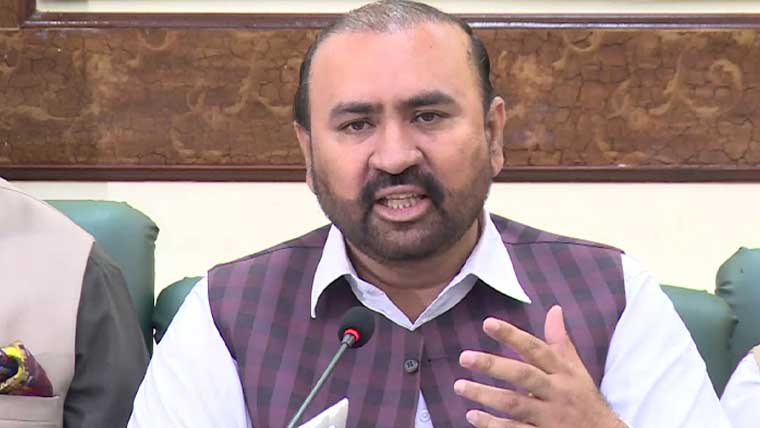
Muhammad Kashif Chaudhry, President of the Markazi Tanzeem Tajran Pakistan, strongly criticised the federal budget, saying it offers no real relief to the public or businesses and is based on manipulation of figures.
He said the budget fails to address poverty, unemployment, and inflation, and the increase in salaries and pensions is insignificant compared to rising prices.
He questioned unrealistic tax targets, warning that higher petroleum levies will further fuel inflation. He added that no relief was given for industry, agriculture, or power sector reforms, while the tax burden on traders has increased.

Govt proposes 5pc tax on social media earnings
The federal government has proposed a 5% withholding tax on income earned by social media influencers through digital platforms, including YouTube, Facebook, Instagram and TikTok, under the Finance Bill 2026.
According to the proposed legislation, banks and non-banking financial institutions will be required to deduct the tax whenever payments linked to social media earnings are credited to or received in an account.
The bill defines a social media influencer as any individual or entity generating income through social media platforms. Payments covered under the proposal include domestic remittances, account transfers and direct credits related to digital content creation and online activities.
Under the proposed framework, resident individuals who are active taxpayers will face a 5% withholding tax on their social media income. Non-resident individuals and entities earning revenue through such platforms will also be subject to the same rate.
The Finance Bill states that the withholding tax will serve as the minimum tax liability for resident taxpayers. For non-residents without a permanent establishment in Pakistan, the deducted amount will be treated as a final tax.
FBR imposes sweeping taxes on food, household items
The Federal Board of Revenue (FBR) has proposed a series of major tax measures aimed at increasing revenue in the upcoming Budget 2026-27.
According to sources, the tax collection target for the next fiscal year has been set at Rs15,264 billion, while around Rs650 billion in additional tax measures are expected to be included in the budget, including nearly Rs150 billion in new taxes.
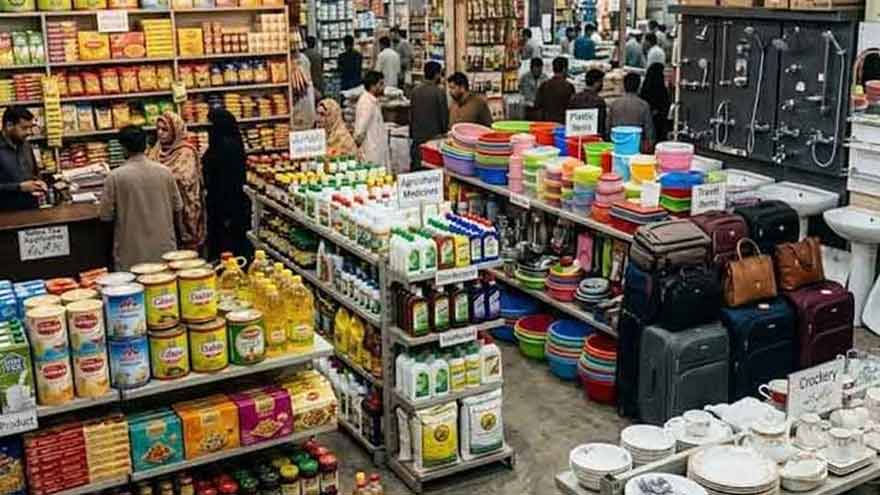
Under the proposed plan, sales tax may be imposed on hundreds of retail-packed items, including milk, infant formula, and other dairy products.
Items such as ghee, cooking oil, sweets, pasta, and various spices are also proposed to be brought under an 18% General Sales Tax (GST) regime.
The proposals further include taxation on retail-packed agricultural inputs, pesticides, plastic household goods, kitchenware, storage items, bags, suitcases, and other travel goods.
Business leaders seek greater relief for salaried class
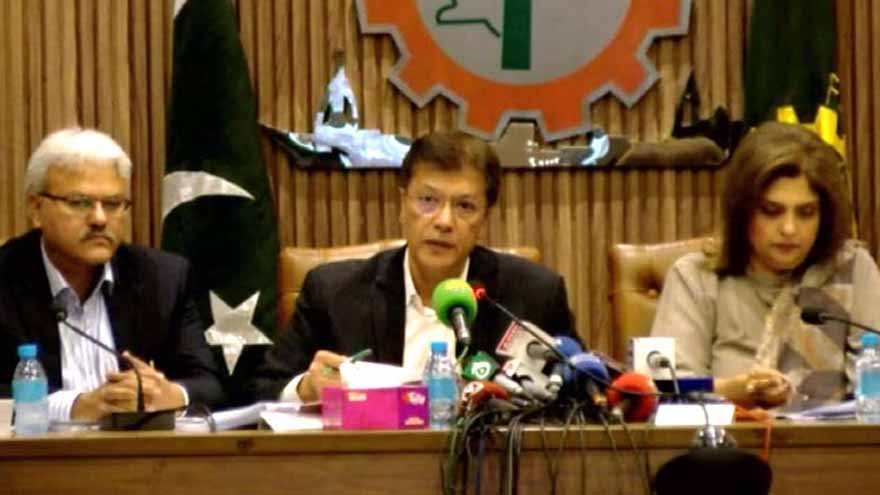
Leading business representatives have expressed mixed reactions to the federal budget, arguing that the salaried class deserved greater relief while welcoming some of the government's tax-related measures.
Speaking on the budget, SM Tanveer, Patron-in-Chief of the United Business Group (UBG), said the government should have provided additional relief to salaried individuals facing mounting financial pressures.
He praised the reduction in taxes on property transactions, describing the move as a positive step for the real estate sector. Tanveer also welcomed the decision to abolish the ‘late filer’ category, calling it an appropriate measure to improve tax compliance.
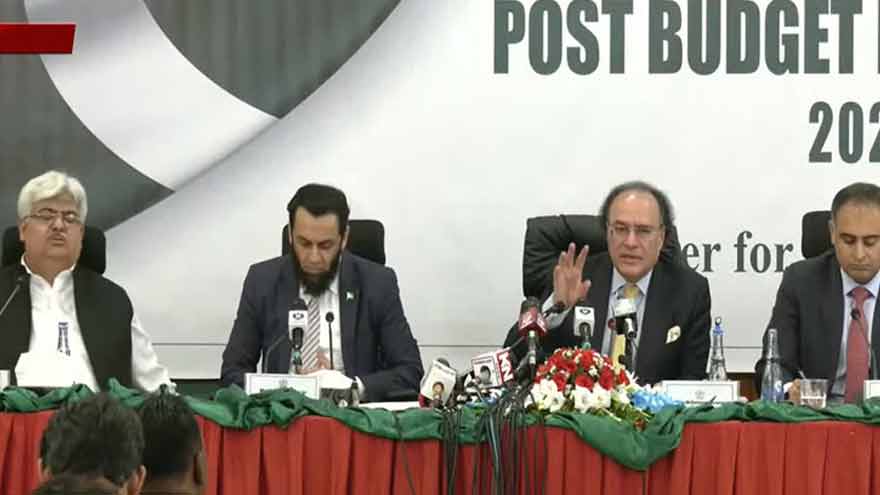
Post-Budget briefing: Minister highlights tax cuts, investment push and relief measures
In a post-budget press conference, Finance Minister Muhammad Aurangzeb said Budget 2026–27 is aimed at strengthening export-led growth, easing tax pressures and ensuring long-term economic stability. He described it as a reform-focused and relief-oriented financial plan.
- Rs70 billion allocated in additional subsidies for public relief
- IT exports target set at $4.5 billion
- Tax reductions for salaried individuals and exporters
- Agriculture sector support and reduced duties on machinery
- Middle-class housing schemes introduced
- Incentives for investment and export-led growth
- Focus on fiscal stability and policy continuity
- FBR digitisation and tax system reforms underway
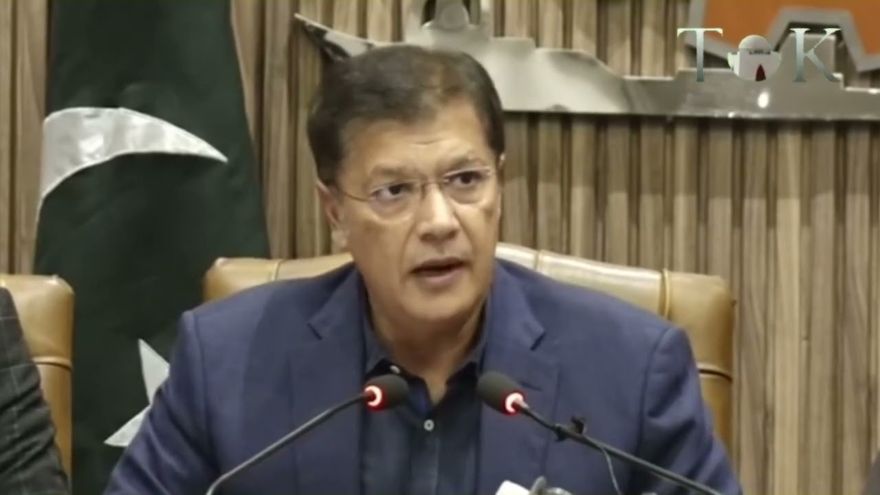
SM Tanveer hails Budget 2026-27 as growth-focused economic roadmap
SM Tanveer, Patron-in-Chief of the United Business Group (UBG) and leader of the FPCCI, has welcomed the Federal Budget 2026-27, terming it a growth-oriented roadmap for economic revival.
He praised key measures including tax concessions, abolition of super tax on exporters, reduced taxes for the real estate sector, a fixed tax regime for shopkeepers, and relief for salaried individuals. He said these steps will help shift the economy from stabilisation to growth.
Tanveer also noted that real estate revival could stimulate around 80 allied industries and boost domestic activity. He added that the budget supports both export-led growth and internal commerce, creating jobs and improving economic prospects.
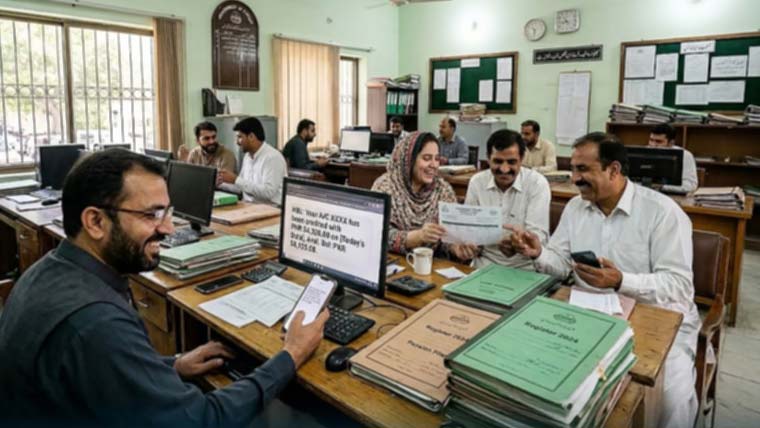
Pay boost for public servants as govt revises allowances
The federal government has announced financial relief for public sector employees by merging two ad hoc relief allowances into the basic pay structure.
The Ministry of Finance confirmed that the 15% ad hoc relief allowance granted in 2022 and the 10% allowance announced in 2025 have now been incorporated into employees’ basic salaries.
The move is expected to increase basic pay and impact other benefits linked to salary calculations. The government has also approved a 50% increase in conveyance allowance to provide additional support for commuting expenses.
Officials said the measures aim to ease the financial pressure on government employees amid rising costs.