Updated on
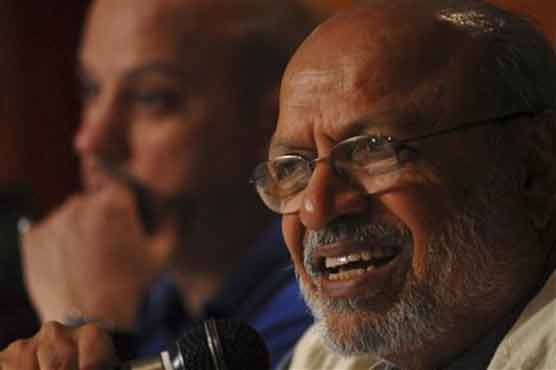
Summary It's quite impossible to do justice to films on historical figures: Shyam Benegal.
The problem with India is that pre-independence historical figures are often given demi-god statuses today which make it difficult to do an honest film on them, he said. This is not a case in the West, especially the UK, where its fashionable to tell a story by pulling down peoples pants, he said.The prolific Indian director and screenwriter, who is credited for creating the middle cinema genre in Indian cinema, with his first four feature films Ankur (1973), Nishant (1975), Manthan (1976) and Bhumika (1977) further added that he didnt believe in titles like parallel cinema or middle cinema but only on cinema.These terms make no sense. Even art films can have a good run in the box office if they are made well, he said.Taking a dig at the Indian censor board, the 77-year-old said that the business of film censorship in the country depends a lot on the opinions of various people in power and position. Nishant was initially banned by the censor board but after Mrs Indira Gandhi saw the film and found no object able content, she urged the board to pass it. However, the board still gave the film an Adult certificate and mentioned during the beginning and end of the film that the story line took place before the independence of the country, he said.In Nishant (Nights End), a teachers wife is abducted and gang-raped by four zamindars while officialdom turns a deaf ear to the distraught husbands pleas for help. Actress Nargis who was then also a parliamentarian thought that the rape scene in the film was ugly so she emphasized the movie to be given an A certificate. But, I dont understand how one can beautifully re-create a rape scene, an act which itself is considered ugly, he added.One of my films telling the story of Ujjain Kumbh mela was banned because I shot a dog doing the rounds of a shiva linga. I thought, it represented the extraordinary theme of Hinduism but the censor board thought otherwise, he added.The recipient of Dadasaheb Phalke Award for 2005 said that technology is been used widely to market films in the West but this trend is yet to catch on in a big way in the country. A friends 26-year-old daughter made a film in Los Angeles and uploaded it on the internet. People who wanted to see the film had to pay online before being allowed to watch, he said.This is a wonderful innovative idea. But, somehow in India, a lot of people dont get the satisfaction of watching a film if its not watched in a hall. So, it will take some more time for Indian cinema to adapt to innovative marketing technologies, he added.Explaining the remarkable non-linear screen play for Bhumika, which had been critics delight, Benegal said that it was the shortage of films that led him to make the film both in black and white and colour.During those days films used to be rationed out with the popular directors getting a fatter share than others. I had only a certain amount of colour Eastman stock, so decided to shoot the 1930s scenes in the film in black and white and others in colour. Somehow, I managed to disguise and the audience, thankfully, were not confused, he said.I won a national award for the film. The bottomline, the audience doesnt necessarily need to know how a film is made as long as they are enthralled by it, he added.