Summary UNESCO has hailed the completion of the Northern section conservation of Lahore Fort’s Picture Wall as a landmark achievement in heritage preservation and international collaboration.
LAHORE (Dunya News) – The United Nations Educational, Scientific and Cultural Organization (UNESCO) has hailed the completion of the conservation of the Northern section of Lahore Fort’s Picture Wall, describing it as a “landmark conclusion” to one of the most ambitious heritage conservation efforts undertaken in Pakistan’s history.
The recognition places renewed international attention on the UNESCO World Heritage property, underlining its cultural significance and the scale of restoration achieved through years of coordinated scientific and institutional work.
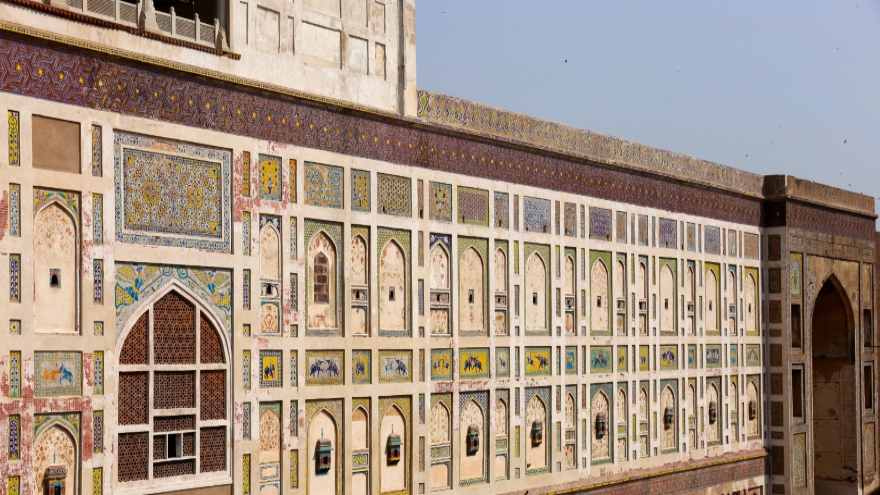
The Picture Wall of Lahore Fort is regarded as one of the world’s most elaborate surviving mural surfaces, offering a 400-year visual narrative of Mughal artistic expression. Constructed during the reigns of Emperor Jahangir and Emperor Shah Jahan in the seventeenth century, the nearly half-kilometre-long structure features around 2,000 intricately designed recessed panels arranged across three tiers. These panels showcase a wide range of artistic themes, including floral and fauna motifs, geometric patterns, mythological narratives drawn from Indo-Persian folklore, as well as scenes depicting hunting expeditions, royal processions, angels, demons, birds and stylised decorative compositions.
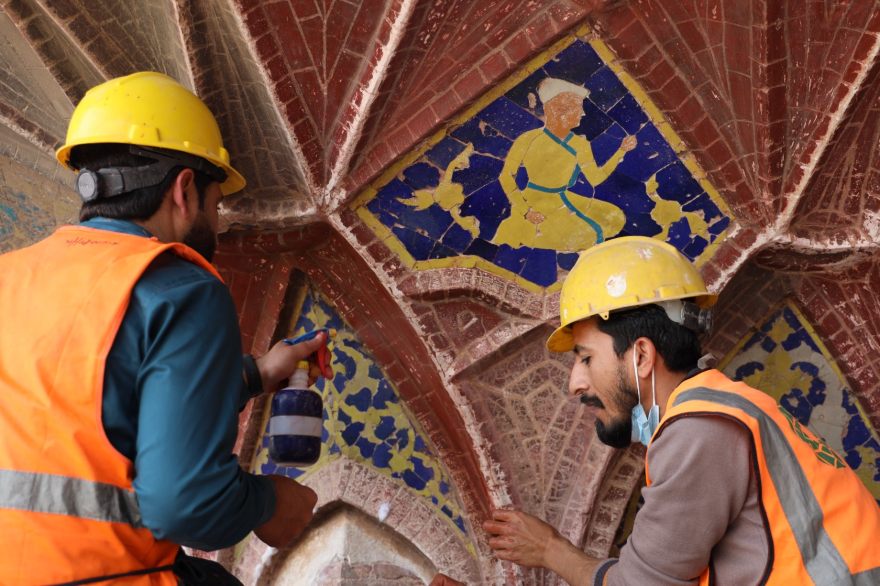
The craftsmanship embedded in the wall reflects multiple traditional techniques, including glazed tile mosaic (Kashikari), fresco painting, marble and red sandstone jali work, and terracotta relief. Over centuries, these artistic elements have collectively formed a layered visual record of Mughal-era aesthetics, representing the convergence of architectural skill, artistic innovation and cultural symbolism.
UNESCO’s acknowledgement follows the completion of a long-running conservation initiative involving a wide network of national and international stakeholders. The Government of Punjab, through the Walled City of Lahore Authority (WCLA), provided institutional leadership and coordination, while Aga Khan Cultural Service – Pakistan (AKCS-P) served as the implementing body responsible for on-site conservation and restoration work throughout the project. Financial and technical support was extended by several international partners, including the United States Ambassadors Fund for Cultural Preservation, the Royal Norwegian Embassy and the German Federal Foreign Office through the German Embassy, alongside contributions from other supporting stakeholders such as the French Embassy.
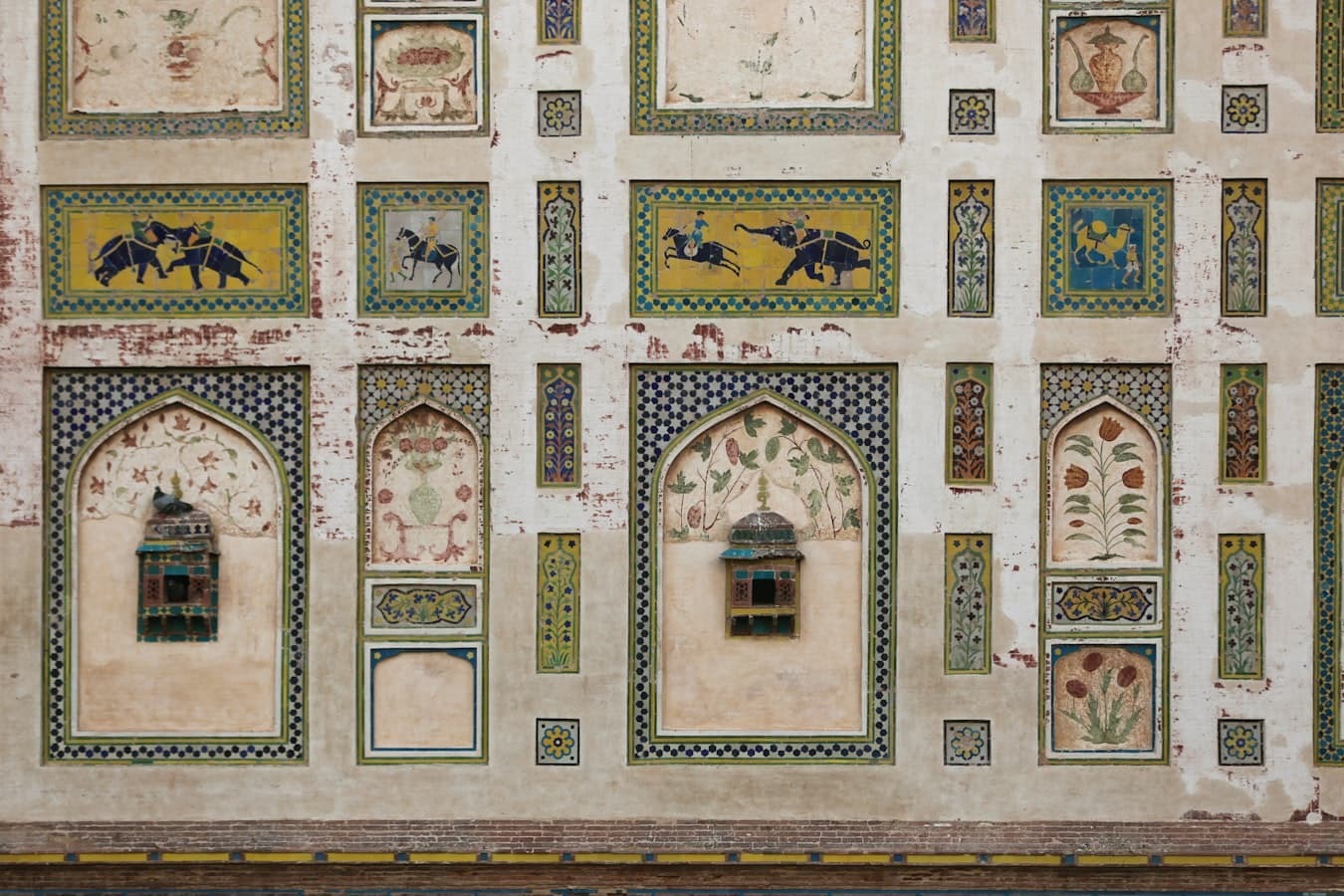
UNESCO’s Country Representative to Pakistan, Fuad Pashayev, described the completion of the Picture Wall conservation as a “testament to what can be achieved when scientific rigor, international solidarity, and local expertise work in concert.” He added that UNESCO was proud to have witnessed the process, noting that the work had strengthened the Outstanding Universal Value of the heritage property. He also encouraged Pakistan to continue applying this model of conservation excellence in future heritage initiatives.
The conservation project itself was initiated in 2015, with formal conservation work beginning in 2018. The programme was carried out in carefully planned phases, culminating in completion in April this year. Prior to intervention, the Picture Wall had suffered extensive deterioration, including missing segments caused by material detachment, moisture damage linked to historical drainage deficiencies, structural cracking, fungal growth, and widespread surface soiling. These conditions had gradually obscured many of the original Mughal-era details.
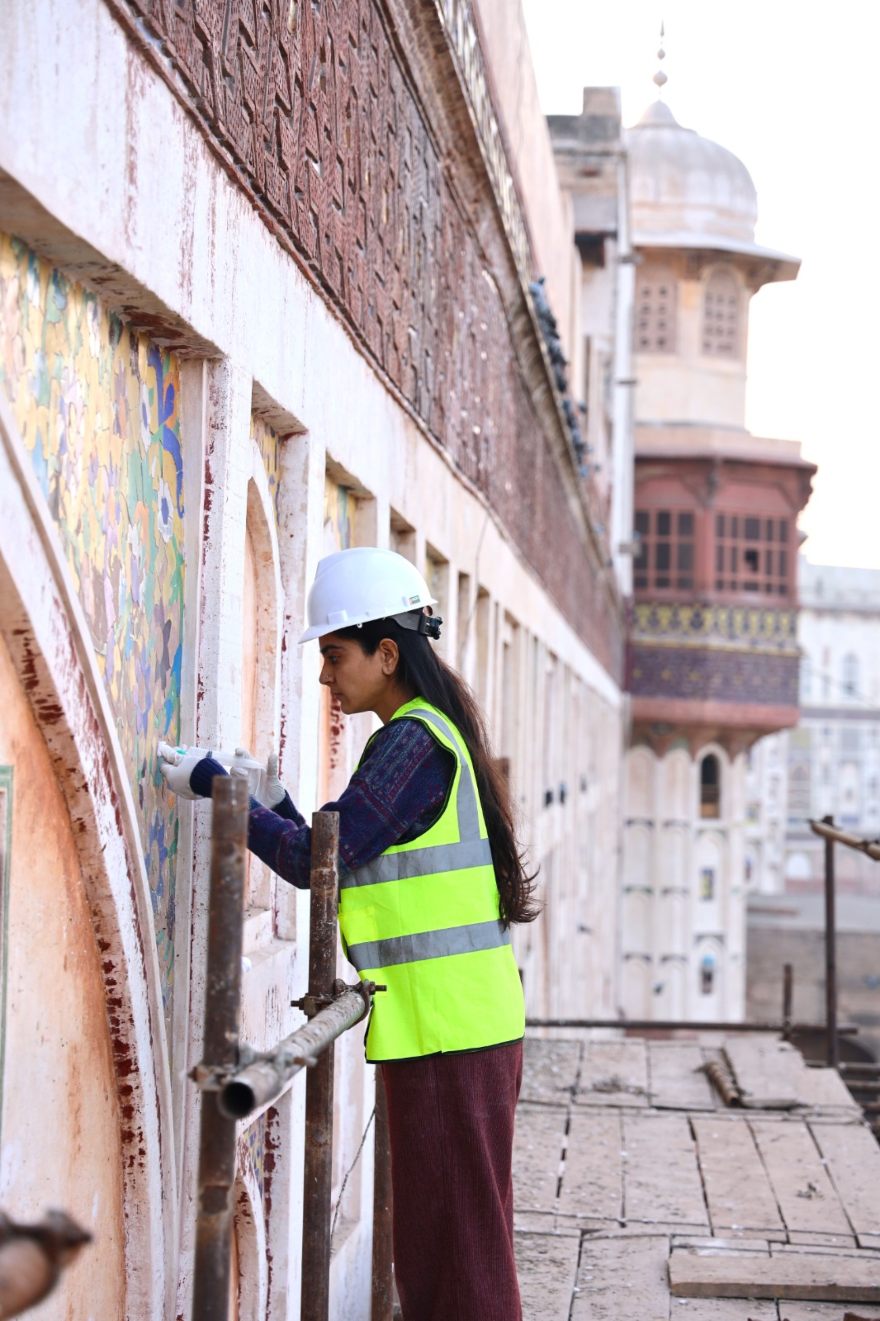
A key feature of the project was its emphasis on scientific documentation before physical restoration work began. Advanced technologies such as 3D laser scanning, Electronic Distance Measurement (EDM) systems and high-resolution ortho-rectified photography were used to document the entire structure in detail. This phase marked one of the most comprehensive scientific surveys ever undertaken for a heritage site in Pakistan, establishing a precise baseline for conservation planning.
The restoration approach prioritised preservation over reconstruction, ensuring the authenticity of the original fabric was retained. Conservation teams removed later-added plaster layers, treated biological growth including biofilm, consolidated fragile frescoes and tile mosaics, and carefully reintegrated areas of brick imitation and decorative surfaces. New plaster applications were undertaken only where necessary to maintain visual continuity without altering the original design intent. In certain sections, excavation beneath the structure revealed the original ground level, offering additional archaeological insight into the site’s historical development.
The project also played a significant role in capacity building within Pakistan’s heritage sector. A new generation of professionals, including conservators, architects, engineers, archaeologists, chemists, ceramists and artisans, were trained through international-standard methodologies. A notable feature of this training programme was the strong participation of women in technical and scientific roles, reflecting an effort to broaden inclusivity within heritage conservation practice.
Alongside technical training, the project contributed to the revival of traditional crafts such as Kashikari (glazed tilework) and Naqqashi (fresco painting) through structured apprenticeships and workshops. These initiatives aimed to strengthen long-term local expertise and ensure the continuity of historic craft traditions associated with the Walled City of Lahore.
To mark the completion of the conservation work, AKCS-P and WCLA plan to organise a formal opening event, expected to welcome visitors, dignitaries and heritage professionals from Pakistan and abroad, further highlighting the significance of the restored Picture Wall within the global heritage landscape.