Summary The IMF has released its country report after completing Pakistan’s second review, noting a 1.3% primary surplus in FY2025 and foreign exchange reserves rising to $14.5 billion
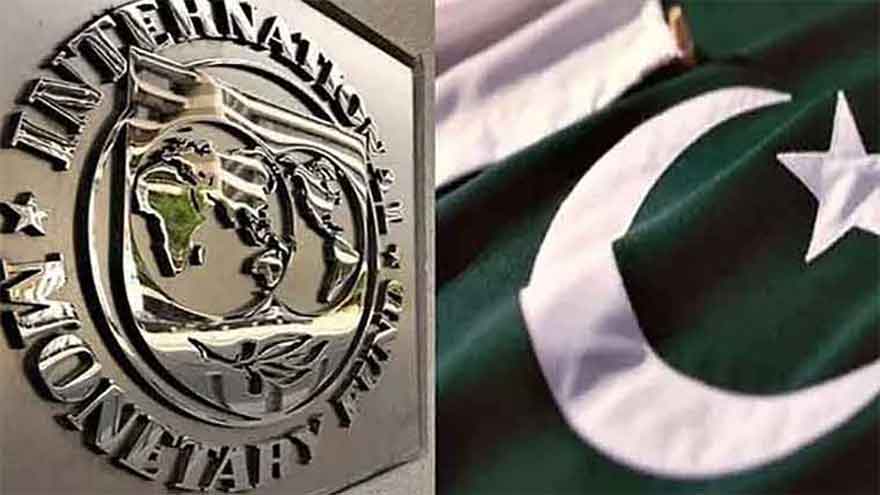
ISLAMABAD (Dunya News) – The International Monetary Fund (IMF) has issued its country report following the completion of Pakistan’s second review, giving a snapshot of where the economy stands and what still needs to be fixed.
According to the report, Pakistan posted a 1.3 percent primary surplus in the fiscal year 2025, while foreign exchange reserves climbed to $14.5 billion. The IMF said inflationary pressure caused by the recent floods is temporary, but cautioned that Pakistan must keep its policies steady to stay on the right track.
The Fund stressed that widening the tax net and simplifying the tax system should be top priorities. It also underlined the need for stronger data, improved statistics, and better governance, saying these areas can no longer be put on the back burner.
The report calls for deep-rooted reforms in public accounts, state-owned enterprises (SOEs), and the energy sector. The IMF noted that timely power tariff adjustments can help cut the ballooning circular debt – a problem that has long dragged the economy down.
Improving performance in the energy sector, it said, is crucial for Pakistan’s competitiveness. The report added that keeping a tight monetary policy is essential to ensure inflation stays within the target range.
The United Nations also advised the State Bank of Pakistan to increase transparency and flexibility in the foreign exchange market, saying this would help stabilize the economy.
Highlighting the impact of recent floods, the IMF emphasized the importance of climate resilience, efficient water management, and better disaster preparedness.
The report also underscored that Pakistan’s long-term economic growth must be led by the private sector, noting that this approach is key to sustainable progress.