Pakistan condemns Houthi attacks on Saudi Arabia, backs its right to self-defence and warns India against mistaking restraint for weakness, citing May 2025.
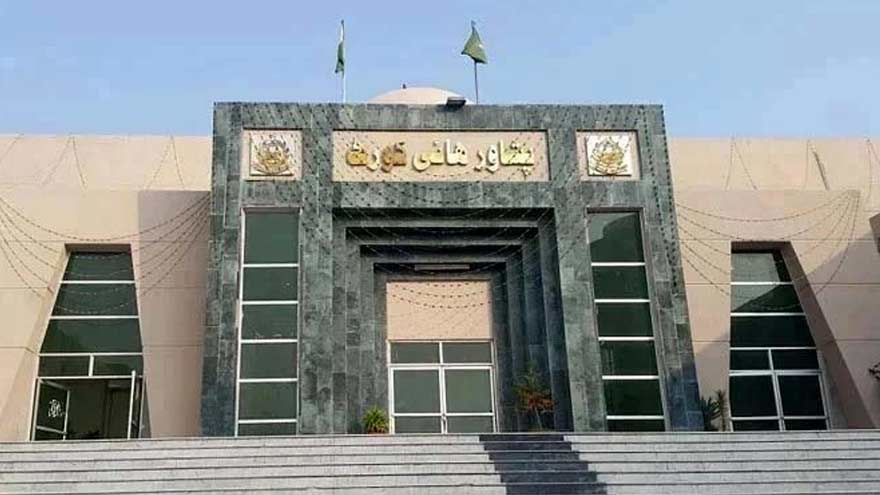
The petitions name the Federation of Pakistan, the president, the prime minister, the KP governor and other relevant authorities as respondents
PESHAWAR Dunya News The Peshawar High Court PHC will hear petitions challenging the imposition of an emergency and governor s rule in Khyber Pakh...
This marks a historic milestone, as Pakistan returns to the Chairmanship for the first time since 1953
Three-member committee recommends cancellation of registration of the affected school
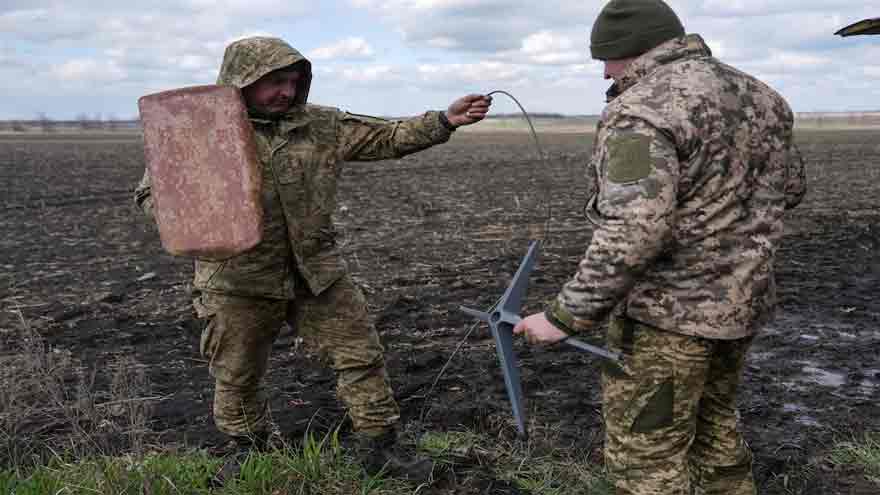
The Houthis possess a large range of ballistic missiles and drones, which they are using to also hit targets in the Bab al-Mandeb Strait at the entrance to the Red Sea
Thwaites Glacier in Antarctica is melting faster than projected, potentially doubling sea level rise estimates and increasing coastal flooding risks worldwide by 2100.
Lahores Bagh-e-Jinnah now features a Bodhi tree avenue that highlights the trees sacred role in Buddhism and its historical links to Bodh Gaya, Sri Lanka and Taxila.
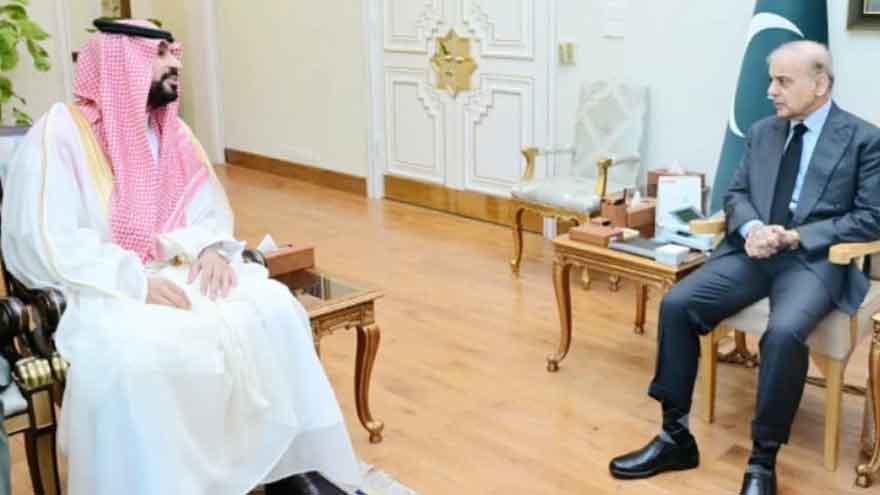
PM Shehbaz Sharif reaffirms Pakistans support for Saudi Arabias security and territorial integrity, condemns Houthi attacks and pledges stronger bilateral cooperation.
Federal agents search Ilhan Omars home amid an investigation into alleged immigration fraud, raising questions about denaturalization and political tensions ahead of elections.
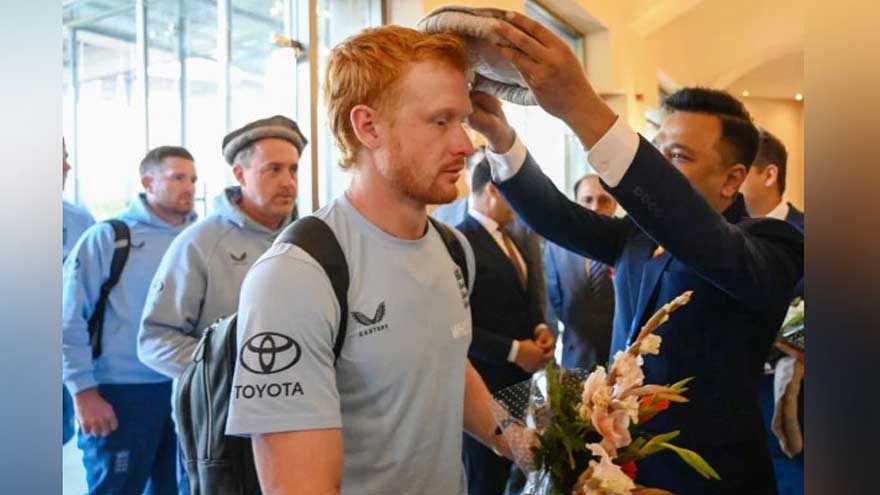
Pakistans 16-member squad, led by Shaheen Shah Afridi, began preparations for the ODI tri-nation series with an intensive three-hour training session at Rawalpindi Cricket Stadium on Thursday.
Oil prices edged lower as investors weighed Middle East tensions against possible US sanctions relief for tanker fleets, despite efforts to boost supplies and curb prices.
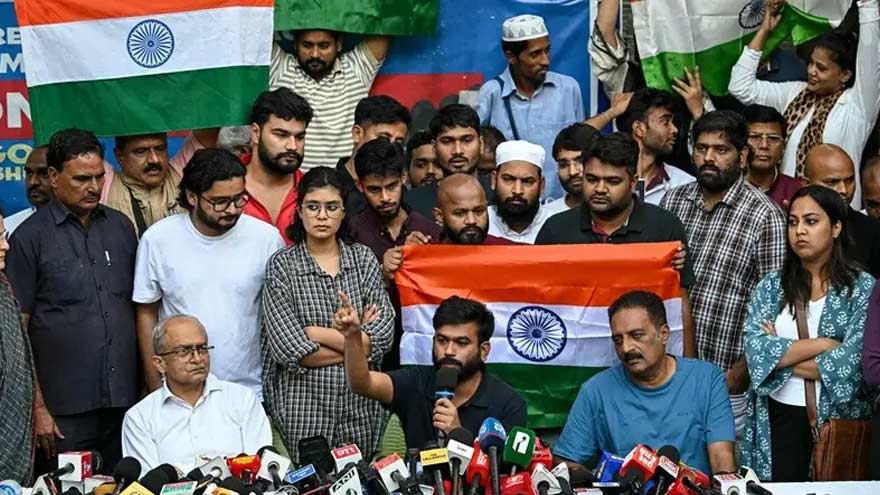
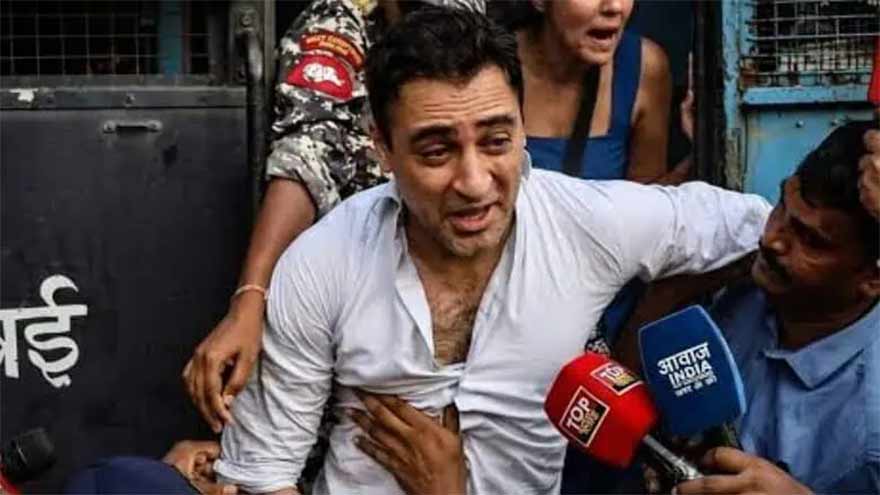
The action comes after the actor, nephew of superstar Aamir Khan, participated in an October 10 agitation in Mumbai, where protesters demanded the resignation of Chief Election Commissioner
Anthropic investors are considering a $1.5 trillion IPO valuation, below earlier expectations of $2 trillion, amid slowing revenue growth and rising concerns over AI financing costs
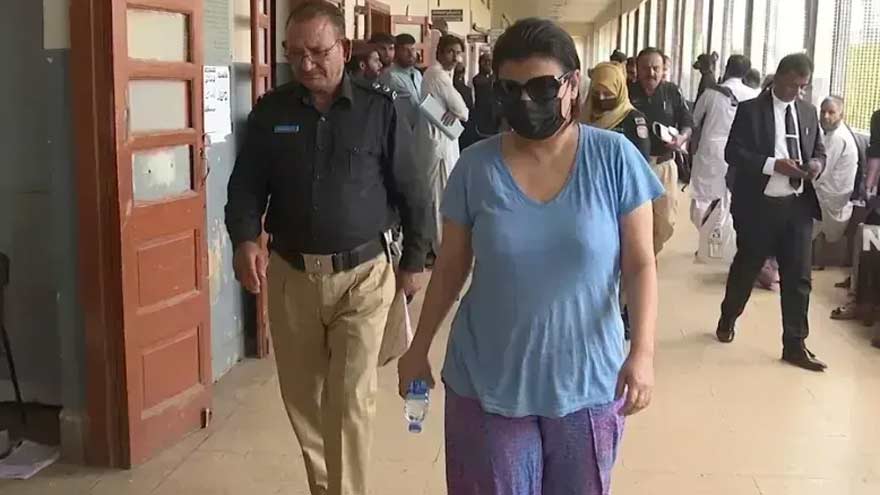
According to police officials, the couple is suspected to have been murdered with a sharp-edged weapon.
The 33-year-old groom and his 28-year-old bride, both named Xu Xiaokong, tied the knot on October 6 in Zhejiang province