Summary During the hearing, government will gather the opinions on Japan's most significant fiscal reform.
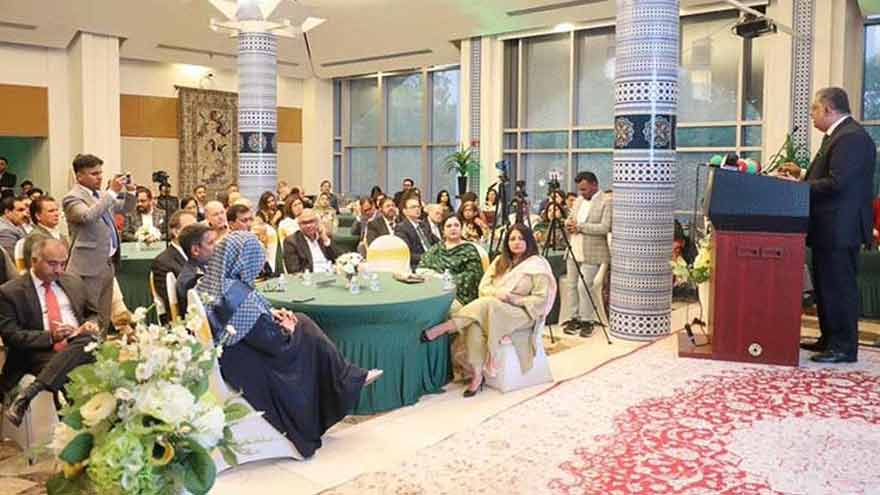
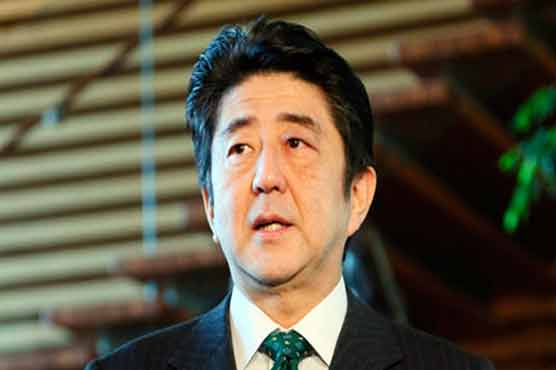
TOKYO (Reuters) - Japan s government opened on Monday a week-long hearing with economists, business leaders and consumer advocates that may help determine Prime Minister Shinzo Abe s decision on how to proceed with a planned increase in sales tax.
During six days of hearings to Saturday, the government will gather the opinions of 60 people on Japan s most significant fiscal reform in years - a change that is unpopular but equally seen as necessary to reduce public debt, which recently reached 1,000 trillion yen ($10 trillion).
Those taking part include academics, consumer and labour union heads and executives from businesses ranging from a small spring maker to auto giant Toyota Motor Corp.
On Monday, most of the seven participants, including head of a powerful business lobby, called on the government to proceed with the scheduled two-stage tax increase from next year.
Under a multi-party agreement last year, the sales tax is to rise to 8 percent from 5 percent next April and to 10 percent in October 2015 to pay for rising welfare costs in the ageing society.
A consumer union representative at the hearing opposed raising the tax at all, while a former central bank deputy governor suggested raising it more gradually.
Economics Minister Akira Amari, who chairs the hearings, said the government must eventually raise the sales tax but is was seeking the best way to balance the need to revive the economy and maintain trust in Japan s finances.
"From a medium-term perspective, not raising the sales tax and keeping it at 5 percent isn t an option," he told reporters after the meeting. The government must certify that the economy is strong enough to withstand the pain of the increase before making a final decision on whether to carry out the plan. The tariff is similar to a general sales tax or value added tax in other countries.
At 5 percent, Japan and Canada have the lowest equivalent consumption tax in the Organisation for Economic Co-operation and Development, according to OECD data.
Abe will make a final decision based on a summary of the debate compiled by Amari. Comments made at the hearing may offer clues on which way Abe s administration will lean in terms of the timing and scale of the tax increases. They may also affect what steps the government takes to cushion the economy from the impact of the increases if they proceed as scheduled, analysts say.
Amari said on Sunday the premier would likely decide before an Asia-Pacific Economic Cooperation summit on Oct. 7 and may scrutinise the Bank of Japan s "tankan" quarterly business sentiment survey due on Oct. 1.
Government officials have also flagged revised April-June gross domestic product data, due on Sept. 9, as key in reaching a decision. Preliminary data issued this month showed the world s third-largest economy expanded for a third straight quarter in April-June but at a slower pace than expected.
Abe has made ending 15 years of deflation and revitalizing the economy among his top priorities. Some advisers and members of his ruling Liberal Democratic Party want to delay or water down the tax increases, worried they could hurt a budding economic recovery.
At Monday s debate, Kazumasa Iwata, head of a private think-tank and former Bank of Japan (BOJ) deputy governor, said the government should increase the tax rate by 1 percent each year for five years, instead of raising it in two stages.
If that was impossible and the government were to go ahead with the increases as scheduled, it should offset some of the pain by compiling an extra budget of up to 5 trillion yen, he said.