Summary Korean firm pulls out of a $5.3 billion deal to build steel plant in Karnataka, citing problems.
MUMBAI (AFP) - India may be trying to lure foreign investors to revive its ailing economy, but the axing of two mega steel projects underlines obstacles even industry giants face, analysts say.
Prime Minister Manmohan Singh and top ministers agreed last week to relax foreign investment rules in a bid to woo investors and boost sluggish economic growth.
"More FDI (foreign direct investment) reforms are on the anvil," Singh told an audience of industry leaders in New Delhi on Friday.
Among the more eye-catching reforms trumpeted three days earlier were the removal of the FDI cap in telecoms and the loosening of rules in the defence sector for overseas players.
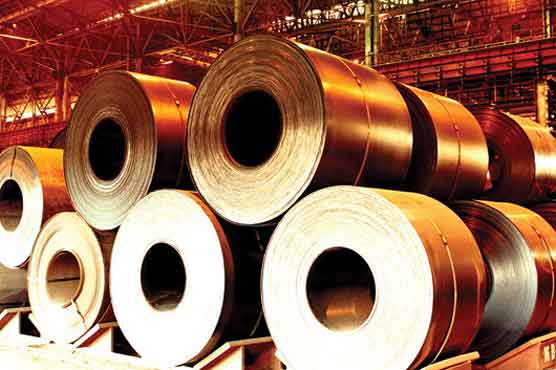
But the announcement came the day that the South Korean giant Posco said it was pulling out of a $5.3 billion deal to build a steel plant in the southern Karnataka state, citing problems in obtaining mining rights and vociferous opposition from local residents.
The following day, the world s largest steel maker, ArcelorMittal, said it had scrapped plans to build a plant in the eastern state of Orissa due to delays in acquiring land.
The Posco plant had been due to produce six million tonnes of steel per year, with ArcelorMittal planning double the amount.
Observers say opposition from locals and land acquisition are frequent obstacles to attempts to set up factories, build roads and implement other major infrastructure projects that India badly needs.
India is facing a host of economic problems that the embattled Congress-led government is keen to address before facing voters in a general election that must be held by May 2014.
Growth is at a decade low of five percent, the rupee is Asia s worst performing major currency and the current account deficit -- the broadest measure of trade, for the full fiscal year ended March is at a record high, mainly from huge oil and gold imports and weak exports.
FDI in India is seen as vital to reducing the deficit and spurring growth, as well as improving the country s creaking infrastructure and providing jobs for its millions of young people.
Last September, the government announced a string of pro-market reforms that relaxed or removed barriers to foreign investment in retail, insurance and aviation sectors.
The measures approved last week, which still need full cabinet clearance, included raising the ceiling on FDI in telecommunications from 74 percent to 100 percent.
They also abolish the need for government approval for certain levels of foreign investment in single-brand retail and petroleum refining.
David Sloan, Asia director at consultancy Eurasia Group, was unimpressed with the moves in a note to clients after the announcement.
FDI in India plunged to $36.8 billion last year from $46.5 billion the previous year, government figures show.
To improve investment conditions, economists say India needs to reduce its notorious red tape, cut inflation, lessen widespread corruption and speed up project approvals.
Although industrialisation is championed as a way to pull tens of millions of Indians out of poverty, many farmers complain they are being forced to sell their land at below market rates and are being robbed of their livelihoods.
Earlier this year the government drafted a land acquisition bill to better reward landowners whose property is bought for industrial development, but consensus on the bill has so far eluded lawmakers.
Chandrajit Banerjee, director general of the Confederation of Indian Industry, said further issues troubling foreign investors included tax structures, some of them retrospective.
Notably souring sentiment has been British mobile firm Vodafone s embroilment in a multi-billion-dollar tax dispute with Indian authorities over its 2007 purchase of a stake in a domestic telecoms company.