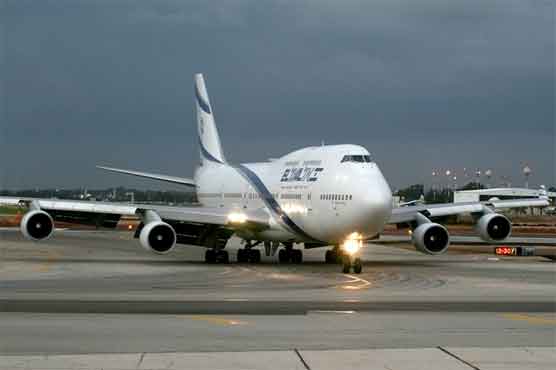
Summary El Al, and Arkia and Israir - launched an open-ended strike, cancelling all their flights.
BEN GURION AIRPORT (AFP) - Israeli airline workers were on strike for a second day on Monday to protest at the government s approval of an Open Skies deal with Europe, leaving frustrated travellers stranded.
Sunday s vote prompted Israel s three privately owned airlines -- El Al, and charter firms Arkia and Israir -- launched an open-ended strike, cancelling nearly all their domestic and international flights.
At Ben Gurion airport near Tel Aviv, the sense of frustration was palpable among travellers who were unable to find seats on alternative airlines.
Many looked haggard after spending the night at the airport s Terminal 3, some in sleeping bags, an AFP correspondent said.
Some said they had not even received food coupons from the strike-hit airlines.
"We have tried to sleep here but it s very hard, and now we are waiting for a flight to Paris," said a French student called Zacharie.
"This is very, very difficult for us."
"We were supposed to leave at 3:00 pm yesterday (1200 GMT on Sunday), and we are still at the airport," fellow student Vincent Natural told AFP.
A spokesman for the Israeli flights authority told AFP that 48 Israeli flights carrying 6,800 passengers had been scheduled for the day but that only three or four of them had taken off after receiving special permission.
He said the Israeli carriers had made efforts to find alternative flights for those booked to fly with them.
The Histadrut Labour Federation, which supports the strike said it would shut down Ben Gurion for four hours from 0200 GMT on Tuesday in solidarity with Israeli airline workers.
But the Manufacturers Association of Israel filed a petition to the national labour court, demanding it prevent the shutdown and order an end to the strike.
"The Israeli economy is dependent on imports and exports, which rely in part on airport services," the petition stated. "The strike damages the industry, since merchandise cannot be freely brought in and out of Israel."
The court was to hold a hearing on the petition on Monday evening, after receiving statements from the two sides.
Israeli airlines fear the EU deal would result in widespread layoffs due to the high security expenses they bear, and the possibility of alliances that international airlines would make excluding Israel.
But Israeli officials say the deal will reduce the costs of flights to and from the Jewish state, thus increasing incoming tourism and boosting the economy.
In March 2012, Israel and the European Union signed the Open Skies aviation agreement aimed at opening up and integrating their markets.
In line with the deal, European Union airlines will be able to operate direct flights to Israel without current limitations, and Israeli carriers will also have more freedom to fly to airports across the EU, in a move that will reduce costs for travellers.