Updated on
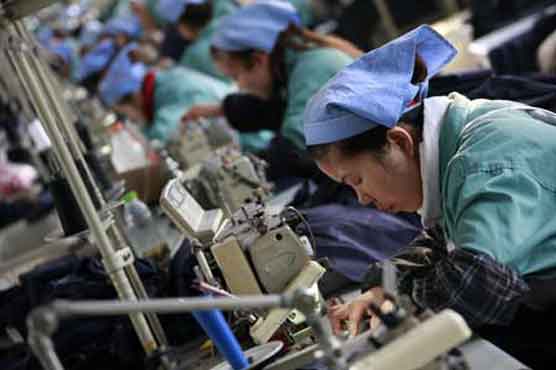
Summary China's manufacturing weakened in May, ending five straight months of expansion.
The state-affiliated China Federation of Logistics and Purchasing said Friday that its purchasing managers index, or PMI, fell 2.9 percentage points to 50.4 percent in May, just above the 50 level that signifies expansion. The index was at 53.3 in April and 53.1 in March.The European debt crisis is pinching Chinas export manufacturers, while moves to control property prices have chilled spending on construction.New orders weakened more than 4 percentage points while inventories rose and prices softened due to weaker demand.The slowdown is most apparent in the autos, furniture and equipment industries, the federation said. It also noted weakness in western and central parts of China that had been expected to drive growth as industries shifted production inland in search of lower labor costs.The current short-term decline does not mean the economy has entered a contraction, said the report on the federations web site. While it is weaker, the focus is on developing the economy for the better.The downturn trend should stabilize thanks to fine-tuning of economic policies to help support investment, it cited Zhang Liqun, an analyst with the federation, as saying.China is moving cautiously with its recently launched mini-stimulus plan, mindful of the painful hangover of inflation and debt from its 4 trillion yuan ($586 billion) avalanche of spending in response to the 2008 global crisis.Measures announced in recent weeks include 66 billion yuan ($10 billion) to build affordable housing, a policy priority aimed at redressing the frustrations of families who have been priced out of the housing market.In what it calls a targeted approach, Beijing also has approved plans to push development of seven emerging industries including clean energy as it tries to restructure the economy and boost growth.The Cabinet has said it approved plans to launch 20 major projects for emerging industries but gave no details of what support they might receive. Previous technology development efforts have included subsidies, tax breaks and other support that trading partners including the United States complained violated free-trade principles.