Updated on
Summary Wal-Mart failed to notify law enforcement after the company's investigators found evidence.
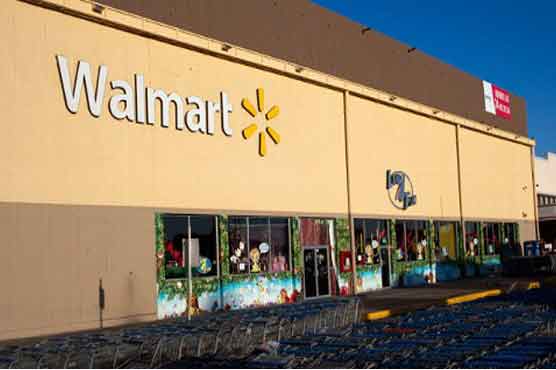
Allegations that Wal-Mart Stores Inc. covered up the findings of an internal probe that proved its Mexican subsidiary bribed officials in that country could have huge implications for the worlds biggest retailer and its executives.The alleged bribery scheme was revealed by The New York Times, which reported that Wal-Mart failed to notify law enforcement after the companys investigators found evidence of millions of dollars in bribes given to Mexican officials in exchange for getting building permits faster and other favors to help it aggressively expand in the region.Two Democratic U.S. congressmen, Elijah Cummings and Henry Waxman, said Monday that they were launching an investigation into the matter, and they sent a letter to CEO Mike Duke asking for a meeting. And The Washington Post reported late Monday that the U.S. Department of Justice has been conducting a criminal probe of the allegations since December, citing people familiar with the matter.If Wal-Mart is found to have violated the Foreign Corrupt Practices Act, which forbids paying bribes to foreign officials, the company could face fines of hundreds of millions of dollars. Top Wal-Mart executives could lose their jobs or worse, go to jail. And the retailer could suffer a public relations nightmare if a lengthy investigation ensues.Unlike prior bad PR stories in recent years, this will be a material distraction for Wal-Mart on multiple fronts, said Charles Grom, a retail analyst at Deutsche Bank. The Times reported on Saturday that a former company executive in 2005 told Wal-Mart top brass about a bribery campaign that was used to help the retailer expand in Mexico. The paper said Wal-Mart officials launched an investigation into its Wal-Mart de Mexico subsidiary, but shut down the probe despite a report by its lead investigator that Mexican and U.S. laws likely were violated.In December, Wal-Mart said in a filing with the Securities and Exchange Commission that it had begun an investigation into an overseas operation related to its compliance with the foreign corrupt practices law. Over the weekend, the company revealed that it had met with officials from the SEC and the Justice Department to discuss the companys ongoing investigation. But, according to the Times, Wal-Mart only did so after being informed that the paper was looking into the allegations.We are committed to getting to the bottom of this matter, Dave Tovar, a Wal-Mart spokesman, said in a statement. The Justice Department and the SEC declined to comment for this story. But legal experts say if there is a government investigation into the bribery allegations, the results could vary widely.Mexicos federal government, however, indicated late Monday that it would not be investigating the matter. It said it had no jurisdiction in the case because the report only referred to the involvement of Mexican state and city officials.Duke, Wal-Marts CEO who was over the companys international division at the time of the investigation, could also face intense scrutiny, experts say. As could H. Lee Scott Jr., who was CEO at the time of the allegations and remains on Wal-Marts board.According to the Times story, Scott rebuked internal investigators at one meeting for being overly aggressive. Shortly after, according to the paper, the company turned over the investigation to the general counsel for Wal-Mart de Mexico, who himself was alleged to have authorized bribes. He exonerated his fellow executives, according to the Times story.Kevin Abikoff, chairman of the anti-corruption and internal investigations practice group at law firm Hughes Hubbard & Reed, said that the government will decide whether to file criminal charges against the company and its executives based on whether they tried to cover-up the allegations, including destruction of records or accounting irregularities.Abikoff said the government is usually more lenient when a company discloses wrong-doing rather than when it tries to cover up the violations. The government cant tolerate that behavior, he said. Its usually the cover-up that kills.