



Rabindranath Tagore's works continue to inspire generations years after his death
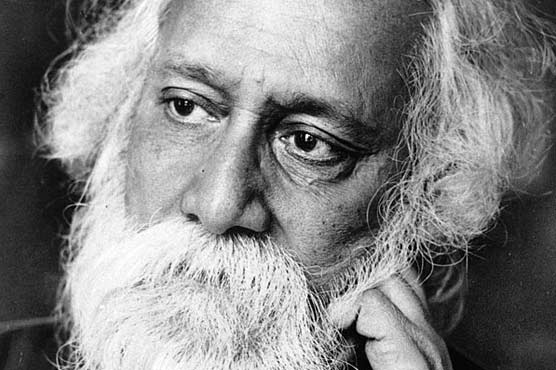
A number of stories, novels, poems are attributed to the celebrated Bengali writer
LAHORE (Web Desk) – Acclaimed Bengali poet, artist and writer Rabindranath Tagore was born on May 7, 1861, in Calcutta. He was born and raised in a family which played a crucial part in the Bengali renaissance.
His father, Debendranath Tagore, was a respected figure. He had a spiritual personality and was the leader of the Brahmo Samaj – a religious sect that was introduced in the Bengal region during the 19th century in order to revive the true monistic basis of Hinduism.
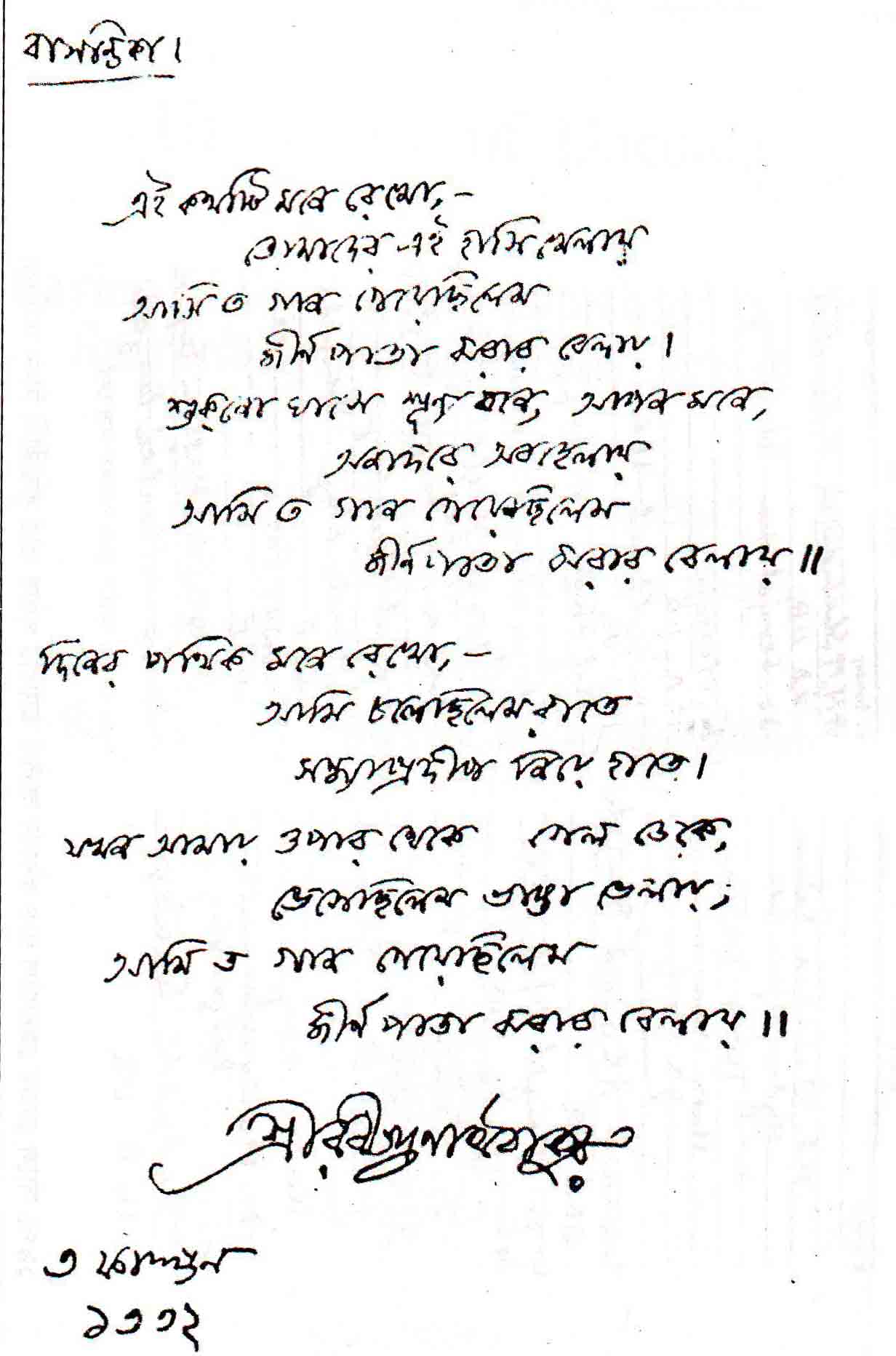
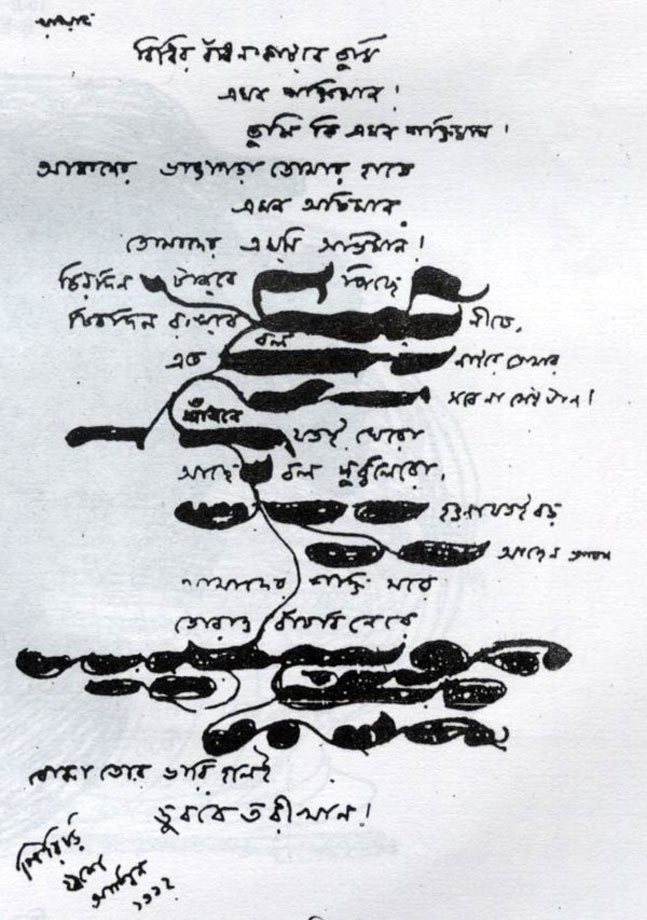
Tagore s poems
Tagore received his early education at home, his elder brother served as Rabindrantah’s tutor as he was made to learn subjects like geography, literature, history, Sanskrit and English. He was married at the age of ten and used to travel with his father across the region and paid visit to his family estates where he studied about different other subjects.
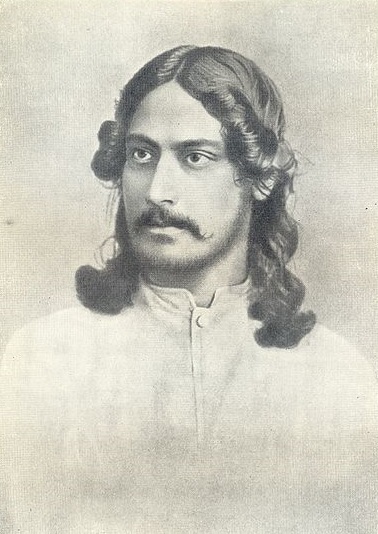
Tagore in his youth
At the age of 17, he was sent to England for higher education as his father wanted him to become a barrister but lack of interest towards being formally educated did not fulfill the purpose of Tagore’s stay there.
After his return home, Tagore was made to look after his family’s estates in Shelaidaha. A significant period of his famous literary works came between the period of four years, from 1891-1895. Tagore’s Manasi poems and a number of volumes of the Galpaguchchha (which has a total of 84 stories) were released during this period.
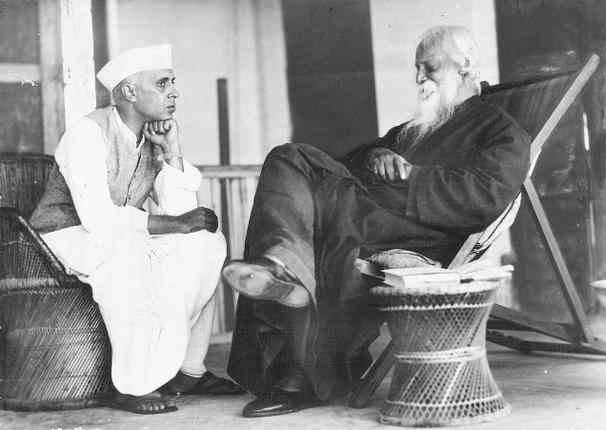
Tagore with Nehru
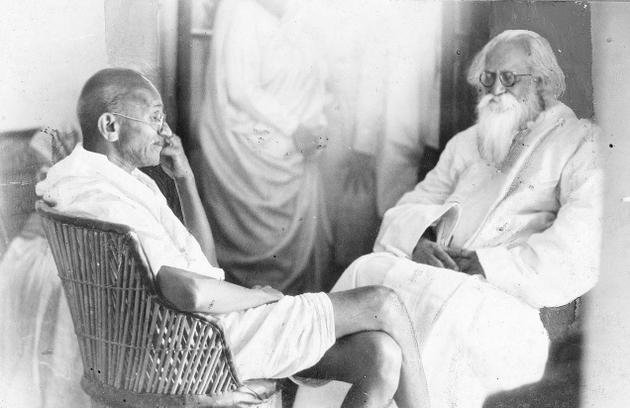
Tagore with Gandhi
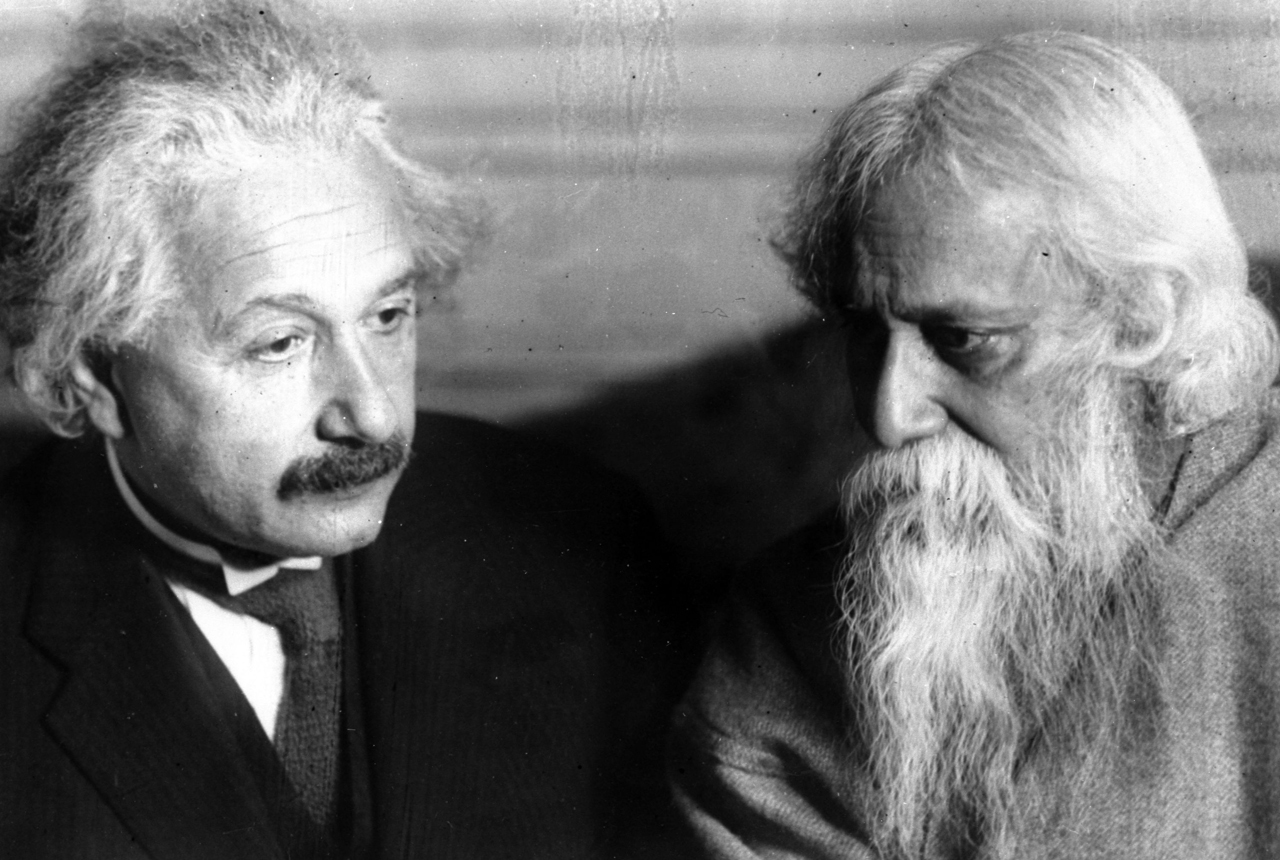
Tagore with Einstein
Tagore’s popularity rose gradually. He wrote eight novels, including Chaturunga, Gora, Char Odhay, Noukadubi, Joga jog and Shesher Kobita. His novels cater to a number of topics such as Indian nationalism, religion, sacrifice, poverty etc. He travelled to thirty countries and gave lectures on a number of topics and share his ideas and thoughts with a number of renowned personalities.
His acclaimed volumes of poetry include Manasi, Gitanjali, Sonar Tari, Balanka and Gitimalya. He won the Nobel Prize in Literature in 1913 and became the first non-European to achieve the feat. The national anthems of India and Bangladesh were works of Tagore.
Galpaguchchha, Atithi, Strir Patra, Haimanti, Musalmani Didi are among his famous stories. His literary works have been translated into a number of languages as his publications are read all around the world. A number of plays and movies have been based on his writings. A part from being a writer, Tagore also produced some stunning pieces of artistry as well.
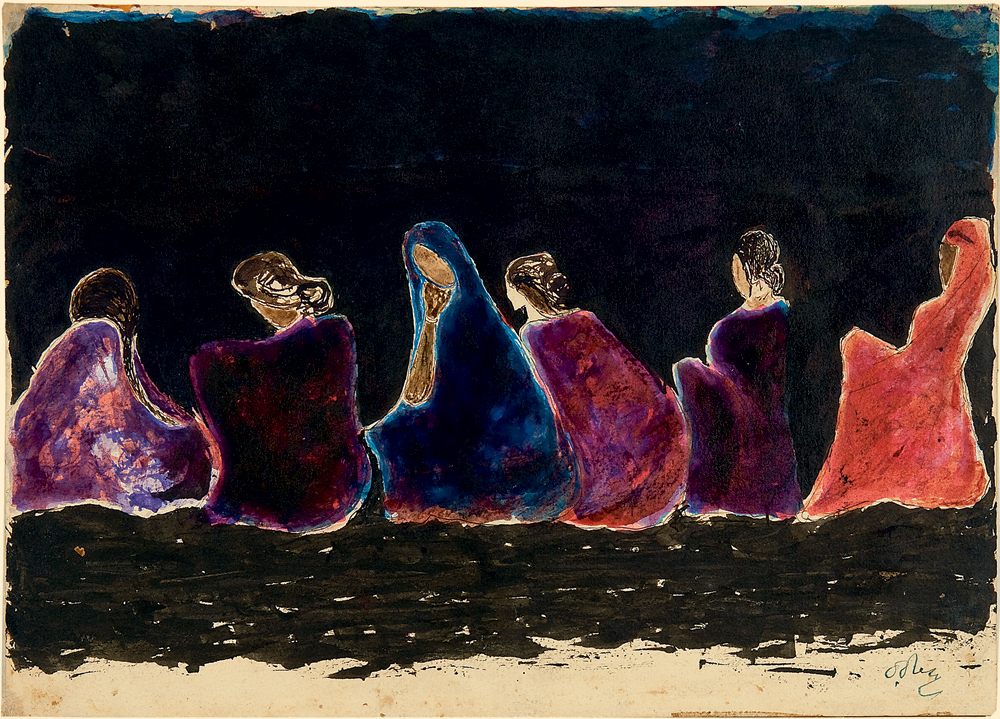
Tagore s paintings
.jpg)
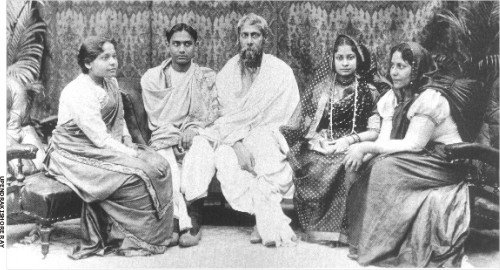
Tagore with his family members
As far Tagore’s political views are concerned, he endorsed Indian nationalism and voiced against British rule in India. He supported Mahatma Gandhi’s Swadeshi movement which aimed towards self-sufficiency and a boycott of British products. After the Jalianwala Bagh massacre, Tagore renounced his knighthood title which he was given by the King George V in 1915.
He died on August 7, 1941, after suffering from a prolonged period of illness and chronic pain.
