



Afghan Taliban deny reports of Mullah Omar's death
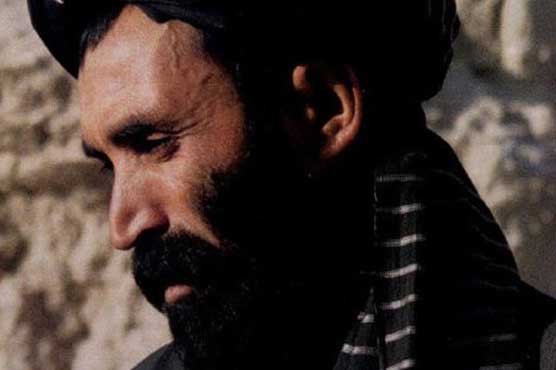
Taliban spokesperson said Mullah Omar is alive and is reclusive at this point
(Web Desk/AFP) – Afghan Taliban spokesperson on Wednesday denied the reports that their leader Mullah Omar was dead, Dunya News reported.
According to US broadcast media outlet the Voice of America, Afghan Taliban have denied the reports of death of their leader.
The Afghan Taliban have reportedly said that their chief is alive and that the reports of his death are mere rumours.
They said that Omar is alive and is reclusive at this point.
Reports of Taliban chief’s death have surfaced several times in the past as well.
The Taliban in April published a descriptive biography of the "charismatic" supreme leader, in a surprise move apparently aimed at countering the creeping influence of the Islamic State group within their ranks.
The Taliban have reportedly seen defections to the Islamic State in recent months, with some insurgents expressing disaffection with the low-profile leader Omar.
The biography, posted on the Taliban s official website to commemorate Omar s 19th year as supreme leader, described him as being actively involved in "jihadi activities", trying to dispel speculation that he had died.
And earlier this month in a message released in Omar s name, the leader was quoted as hailing the peace talks as "legitimate".
The comments, the first reputedly made by Omar on the nascent dialogue, eased concerns at the time that the process lacked the leadership s backing.
Afghan officials sat down with Taliban cadres earlier this month in Murree, a tourist town in the hills north of the Pakistani capital Islamabad, for their first face-to-face talks aimed at ending the bloody insurgency.
They agreed to meet again in the coming weeks, drawing international praise, but many ground commanders openly questioned the legitimacy of the Taliban negotiators, exposing dangerous faultlines within the movement.
Afghan officials are set to meet Taliban militants later this week for a second round, pledging to press for a ceasefire.
The split within the Taliban between those for and against talks has been worsened by the emergence of a local branch of the Islamic State group, the Middle Eastern jihadist outfit that last year declared a "caliphate" across large areas of Iraq and Syria that it controls.
The Taliban warned IS recently against expanding in the region, but this has not stopped some fighters, inspired by the group s success, defecting to swear allegiance to IS chief Abu Bakr al-Baghdadi instead of the invisible Mullah Omar.
