Summary The yen steadied near 160 per dollar as US pressure for a BOJ rate hike grew, while renewed Middle East attacks lifted oil prices and Treasury yields, shaping currency market sentiment.
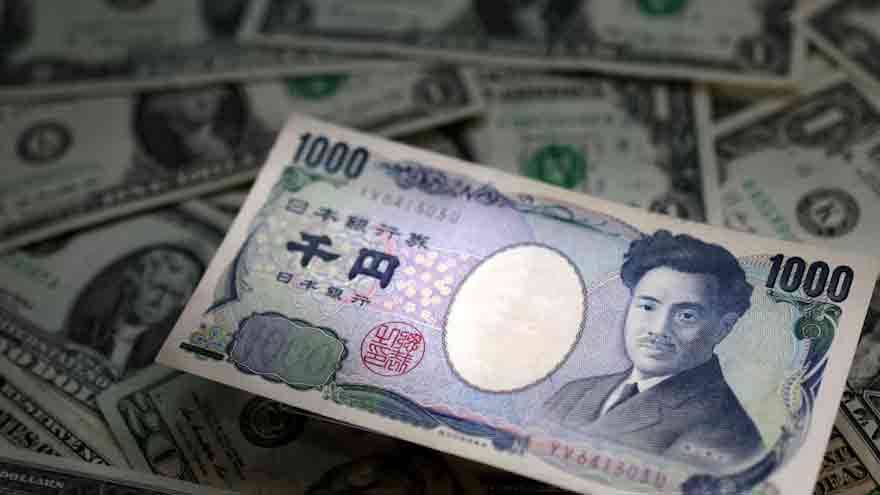
SINGAPORE (Reuters) - The yen steadied near the 160-per-dollar level on Tuesday after U.S. Treasury Secretary Scott Bessent ramped up pressure on the Bank of Japan to hike rates later this month, while currency markets kept a wary watch on renewed attacks in the Middle East.
U.S. President Donald Trump threatened further strikes against Iran after the first exchange of direct attacks in a month as the six-month-long conflict shows no signs of ending. The fresh attacks sent Brent crude futures above $91 a barrel and Treasury yields higher.
The yen last bought 159.81 per dollar, having weakened past the 160 level in the two previous sessions. The yen firmed after Bessent said he believed Japan's government and central bank would take action that leads to a stronger yen.
"I have information that the market doesn't have, and it's my belief that the Japanese government and the BOJ will do the things that will lead to a stronger yen," Bessent told CNBC in an interview during a Group of 20 finance leaders' gathering.
A rare joint intervention from the U.S. and Japan at the end of July provided short-lived relief for the fragile yen, with the currency having since surrendered most of the gains from the joint action.
Markets are pricing in a 73% chance of a hike from the BOJ later this month, but analysts suggest there needs to be a much stronger follow-through by the central bank.
"For the yen, a September BOJ hike is already heavily anticipated," said Charu Chanana, chief investment strategist at Saxo.
"With US yields still high and rising oil worsening Japan’s terms of trade, the yen probably needs a more hawkish BOJ path beyond September — not just one hike — to sustainably move away from 160."
The U.S. dollar was subdued, backing away from Friday's gains as investors contended with rising odds of a hike from the Federal Reserve in September after last week's hawkish remarks from Fed Chairman Kevin Warsh.
The euro was steady at $1.1623 after eking out a nearly 1% gain for August. Sterling last fetched $1.35575 after a 0.5% rise last month. The dollar index , which measures the U.S. currency against six other units, eased to 99.37.
In his debut speech at the Jackson Hole symposium of central bankers, Warsh said the Fed will "have work to do" should inflation not appear to be cooling, stoking expectations of a possible rate hike in the upcoming Fed meeting in September.
Traders are pricing in a 65% chance of a Fed hike later this month, compared to 41% a week earlier, the CME FedWatch tool showed.
"It is notable that higher oil prices and Treasury yields have failed to support the USD," said Carol Kong, a currency strategist at Commonwealth Bank of Australia.
"The overnight USD weakness may reflect markets reassessing whether Chair Warsh's hawkish stance is sufficient to restore Fed credibility. Rising expectations of a September BoJ rate hike also added further pressure on the USD."
Investor attention will be on a slew of economic data later this week that will help guide whether the Fed will deliver a hike.
In other currencies, the Australian dollar was a touch firmer at $0.7172, while the New Zealand dollar fetched $0.5921.