Summary Jay Shah is re-elected unopposed as ICC chairman for a second two-year term, with cricket set to return to the Olympics at the 2028 Los Angeles Games.
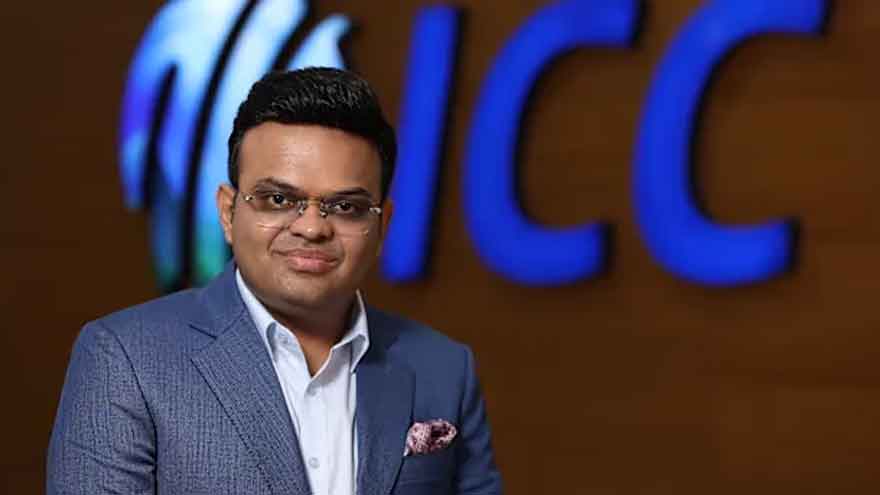
ISLAMABAD (Dunya News) – Jay Shah has been re-elected unopposed for a second term as chairman of the International Cricket Council (ICC), the governing body announced on Monday following its board meeting in Bali.
Shah, a former secretary of the Board of Control for Cricket in India (BCCI), first took charge as ICC chairman in 2024 at the age of 35, becoming the youngest person to hold the position.
During his second two-year term, Shah will oversee preparations for cricket's return to the Olympic Games at the 2028 Los Angeles Olympics.
He described cricket's return to the Olympics as an extraordinary opportunity to introduce the sport to new audiences and inspire a new generation of players and fans.
In a statement, Shah expressed gratitude to the ICC Board for its continued confidence and support, saying he considered the position both a privilege and a responsibility.
The International Cricket Council (ICC) Board is delighted to announce the unopposed reappointment of Mr Jay Shah for a second term as ICC Chair, following a proposal by the ICC Directors at the Board and Committee meetings in Bali. This decision reflects the Board’s confidence in Shah’s leadership and provides continuity at a defining moment for the sport, with global expansion, growth in fandom and commercial development on the strategic roadmap for its future. ICC Chairman Jay Shah said: “I am deeply honoured by the confidence the ICC Board has placed in me and sincerely grateful to every Director for their continued trust and support. Serving as Chair of the ICC is both a privilege and a responsibility, and I remain committed to working with our Members to advance the interests of cricket across the world. “We are entering one of the most important and exciting periods in our sport’s history. Cricket’s return to the Olympic Games at LA28 presents an extraordinary opportunity to introduce our game to new audiences and inspire a new generation of players and fans. “Our responsibility extends well beyond delivering successful events. We must build a stronger and more sustainable future for the sport with a focus on fans, athletes, commercial partners and other key stakeholders. “I have always believed that cricket’s greatest strength lies in its ability to bring people together. With the support of the Board and our Members, our focus will be on turning ambition into action and ensuring that the progress we make leaves a lasting legacy for generations to come.” More: https://t.co/Xs4sidFvOU
— ICC (@ICC) November 16, 2026
He said he remained committed to working with ICC members to advance the interests of cricket worldwide.
Shah added that cricket was entering one of the most important and exciting periods in its history, with its return to the Olympic Games at LA28 offering an opportunity to expand the sport's global audience.
He said the ICC's responsibility extended beyond organising successful events, emphasising the need to build a stronger and more sustainable future for cricket while keeping fans, players, commercial partners and other stakeholders in focus.
Meanwhile, England and Wales Cricket Board Chairman Richard Thompson congratulated Shah on his continued leadership, describing it as important for international cricket at a time of rapid changes in the sport.
Thompson said strengthening the international calendar, maintaining the relevance and competitiveness of bilateral cricket, and ensuring major tournaments remained central to the sport's future would be essential.
He added that balancing cricket's traditions with innovation, new audiences and changing commercial dynamics would play a critical role in the coming years.
Thompson said the ICC had an important role in bringing member boards together to shape the future of the game and establish a sustainable direction for international cricket.