Summary The Supreme Court has ruled that complex property and inheritance disputes fall under civil courts, overturning Ombudsman and Peshawar High Court rulings in a women's property case.
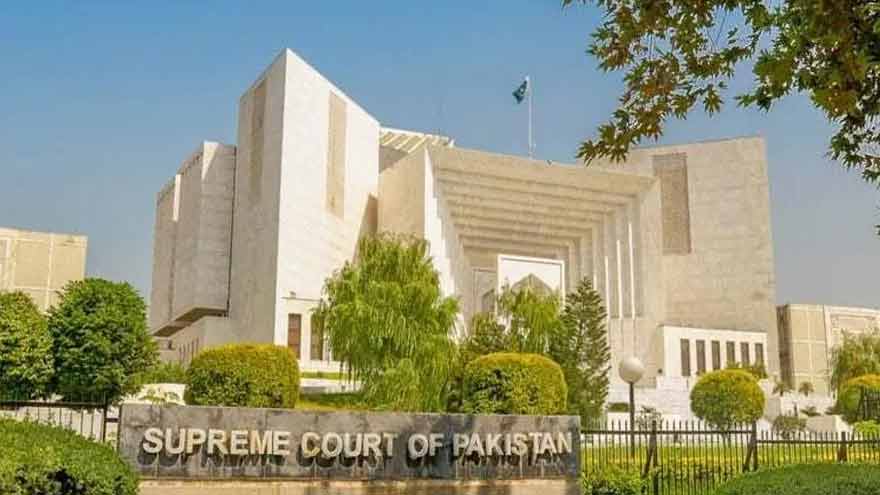
ISLAMABAD (Dunya News) – The Supreme Court has ruled that the Federal Ombudsman does not have the authority to make final decisions in complex property disputes, declaring that contested matters involving ownership and inheritance must be resolved by civil courts.
The Supreme Court overturned the decisions of the Federal Ombudsman and the Peshawar High Court concerning women's property rights and ordered that the disputed property case be referred to the competent civil court.
The eight-page judgment was authored by Justice Ayesha Malik.
According to the ruling, the Federal Ombudsman's jurisdiction is limited to cases involving clear ownership rights and restoration of possession, while complex legal and factual disputes can only be decided after recording evidence.
The Supreme Court converted civil petitions concerning women's property rights into appeals and allowed them. It directed that all relevant records, including the complaint filed before the Ombudsman, be submitted to the court of the Civil Judge in Bara.
The court also instructed the civil court to issue notices to all parties, directing them to appear within 15 days, and to decide the case within a reasonable period.
According to the judgment, the civil court will determine the authenticity and legal validity of the disputed gift deed, along with the inheritance rights of the parties, as these matters require an examination of complex legal and factual issues.
The Supreme Court observed that the Enforcement of Women's Property Rights Act, 2019, provides important legal protection for women's ownership rights. It stressed that prompt and effective legal recourse is necessary to protect women against unlawful deprivation of their property.
The apex court further stated that protecting women's property rights is a fundamental objective of the law. However, it emphasised that the distinction between the powers of the Federal Ombudsman and the jurisdiction of civil courts must be taken into account when deciding such disputes.